On August 3, 1907, in the federal courthouse in Chicago, Judge Kenesaw Mountain Landis fined the Standard Oil Company of Indiana $29,240,000. He had found the company guilty on 1,462 counts of accepting secret rebates on oil shipped over the Chicago and Alton railroad, and he imposed the statutory maximum of $20,000 on every count.[1] It was the largest fine an American court had ever assessed against a corporation. Standard Oil never paid any part of it.
The Circuit Court of Appeals threw the judgment out in July 1908, holding that each carload was not a separate offense and that Landis had wrongly measured the penalty by the wealth of the parent company in New Jersey rather than the Indiana subsidiary that stood convicted. At the retrial in March 1909 the government could not make its case and the judge directed a verdict of not guilty.[2] It had been imposed, reported around the world, reversed, and erased inside twenty months.
That sequence is the shape of the twelve years that followed. Between 1907 and 1919 the American state tried harder to punish John D. Rockefeller than it had ever tried to punish a private citizen, and in the same years his fortune was converted into something the state could not easily reach. A court dissolved his company and left him richer. Congress refused to charter his foundation and a state legislature chartered it instead. A federal commission denounced the foundation as a danger to the republic, and the tax code was rewritten to encourage exactly what it was doing. This is the story of how a monopolist became an institution.
The Fine That Was Never Paid
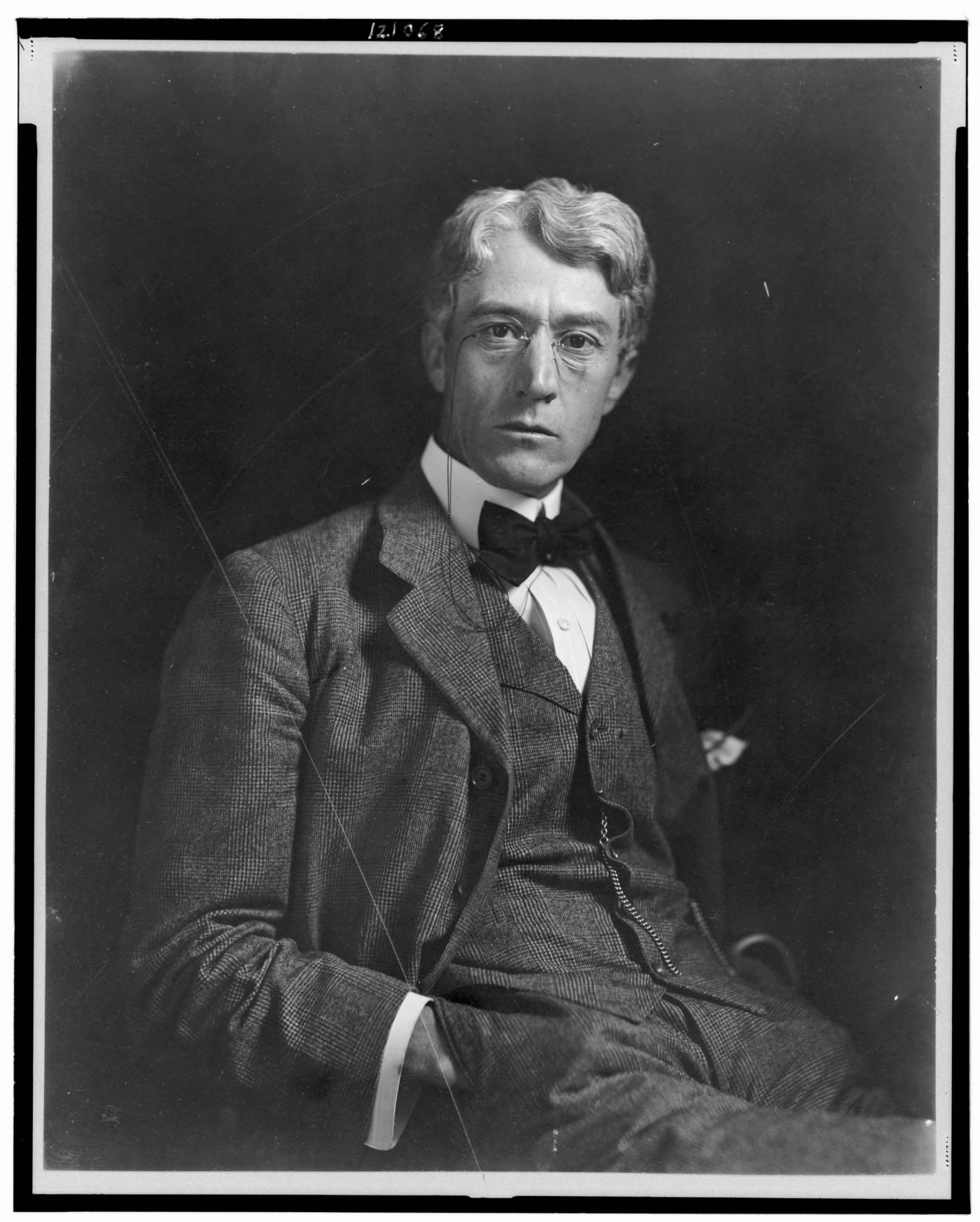
Landis was forty years old and two years into a federal judgeship when the rebate case reached him. The charge was narrow and the proof was good: the Chicago and Alton had carried Standard Oil tank cars at six cents a hundredweight when its published rate was eighteen, and the Elkins Act of 1903 made accepting such a concession a crime. What made the judgment extraordinary was the arithmetic. Landis treated every carload as a separate offense, multiplied by the maximum penalty, and arrived at a figure that no one had expected.
Rockefeller was playing golf at Cleveland when the news reached him. The story that he finished his round without comment is the sort of thing that attaches to very rich men, but his composure was not misplaced. His lawyers understood that the arithmetic was the weakness. On appeal the court agreed, and after the directed acquittal of 1909 the matter was finished. The episode taught the Rockefeller organization something it would use for the next decade: that the machinery of public punishment was slow, noisy, and in the end frequently empty.
The same autumn brought a demonstration of the other kind of power. When the Knickerbocker Trust failed in October 1907 and the panic spread, Rockefeller deposited ten million dollars with the Union Trust Company and made sure the newspapers knew that more was available. The rescue was organized by J. P. Morgan, who summoned the bankers and held them in his library until they subscribed; Rockefeller's part was a deposit and a statement.[3] But the statement was the point. A man whose company was being prosecuted in half a dozen jurisdictions had made himself, for a week, the visible guarantor of the American banking system.
A Rehearsal in the South
Two years later Rockefeller gave a million dollars to a body with an unglamorous name and a narrow object: the Rockefeller Sanitary Commission for the Eradication of Hookworm Disease, organized in October 1909 to work in eleven Southern states.[4] Hookworm was a good choice precisely because it was unspectacular. It was endemic, it was disabling rather than fatal, it was curable for a few cents a head, and the cure was visible: children who had been listless went back to school.
The Foundation's own historians later described the disease as an "ideal wedge that would allow for the creation or extension of public health organizations."[5] That is an unusually candid account of the method. The hookworm campaign was not only a campaign against hookworm. It was a way of building county health departments in places that had none, and of teaching a suspicious rural population to accept a visiting doctor paid for by a Northern oil fortune. The man who ran it, Wickliffe Rose, would run its successor across the tropics and beyond.
Rockefeller had been funding medicine for a decade by then. The Rockefeller Institute for Medical Research had been founded in 1901 and endowed permanently in 1907.[6] What was new in 1909 was the shape of the thing: a chartered body, with a professional staff, a defined disease, a defined territory, and a published annual report. It was a prototype, and within four years it would be built at scale.
Congress Says No
In 1910 Rockefeller's counsel, Starr J. Murphy, carried to Washington a bill to incorporate the Rockefeller Foundation under federal law. The idea was to give the new body a national charter befitting a national purpose. What it produced instead was three years of argument about whether a private fortune should be allowed to exist in perpetuity at all.
Attorney General George W. Wickersham attacked the bill as "an indefinite scheme for perpetuating vast wealth," and the Taft administration opposed it while the government's antitrust suit against Standard Oil was still before the Supreme Court. Murphy redrafted it with concessions that now look remarkable: a hundred-year limit on the corporation's life, a ceiling on the assets it could hold, and a measure of public oversight of its trustees. None of it was enough. The bill was blocked in the Senate and abandoned in 1913.[7]
Critics reached for a phrase that was already in circulation. In March 1905 the Congregational minister Washington Gladden had denounced a Rockefeller gift to his denomination's foreign mission board as "tainted money," and the words came back to Washington with the charter bill.[7] The objection was not really about the oil business. It was about time. A corporation chartered to hold a fortune forever, answerable to trustees who chose their own successors, looked to many senators like a new estate within the republic.
The Breakup
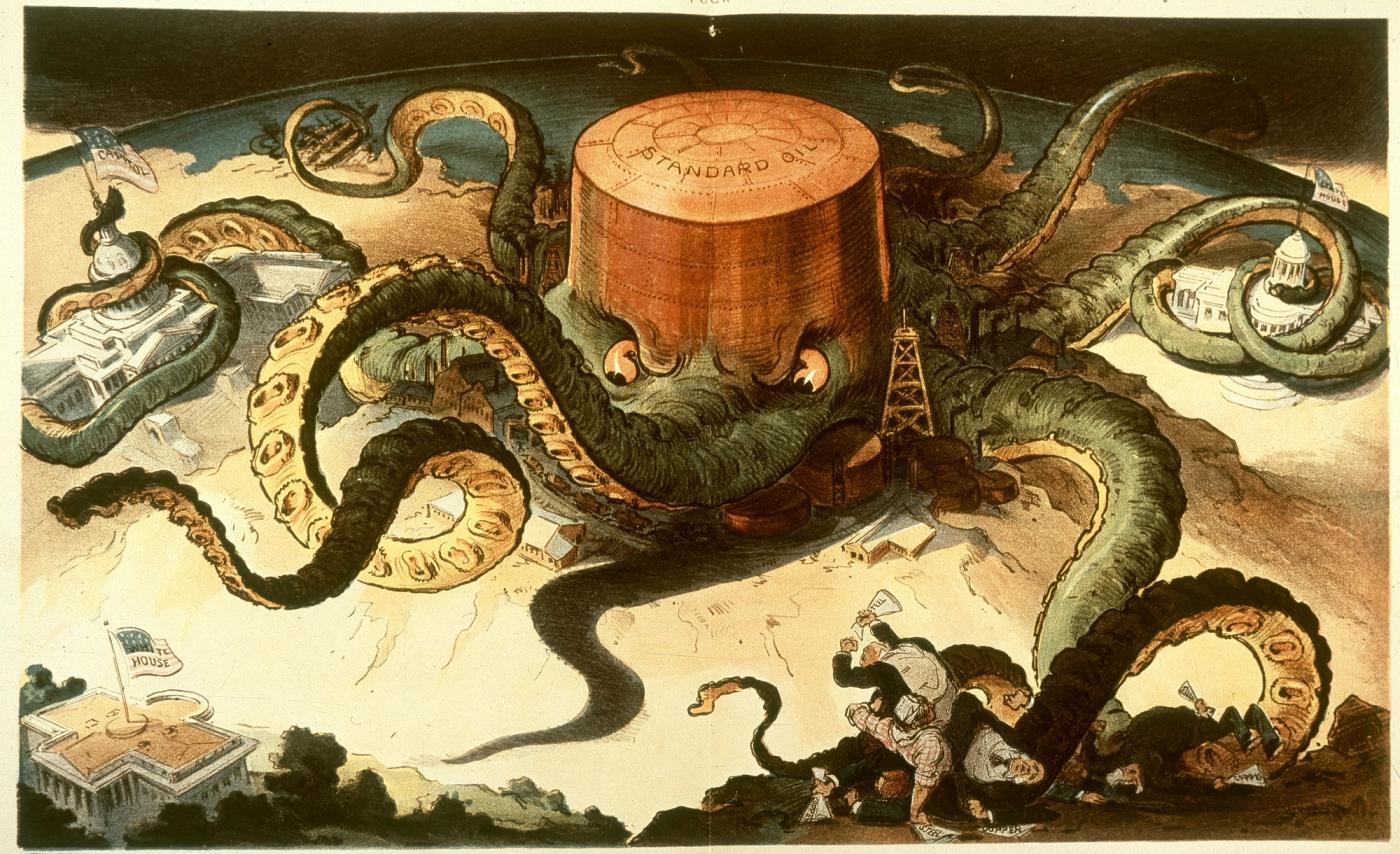
On May 15, 1911, the Supreme Court decided Standard Oil Company of New Jersey v. United States and ordered the combination dissolved within six months. The separation took effect on December 1, and the parent company's holdings were distributed to shareholders in thirty-four successor companies.[8] Rockefeller, who owned about a quarter of the stock, received a proportionate share of each.
The remedy did not work as its authors intended. The successor companies were not competitors so much as regional monopolies with interlocking shareholders, and their shares, freed from the discount that the antitrust overhang had imposed on the parent, rose sharply. Within two years Rockefeller's fortune reached about nine hundred million dollars, the highest figure it would ever touch.[9] The government had spent a decade dismantling his company and had left him, in the most literal sense, better off than it found him.
He was past seventy, long retired from management, and holding more money than any private person had ever held. His own adviser Frederick Gates had already put the problem to him in 1906: the fortune was rolling up like an avalanche, and he must distribute it faster than it grew. The answer was the one Congress had just refused to approve.
Chartered in Albany
Three things happened in 1913 that between them created modern American philanthropy, and none of them was planned together.
The first was the ratification of the Sixteenth Amendment on February 3, which gave Congress the power to tax incomes.[10] The second was an act of the New York legislature. Having failed in Washington, Rockefeller's advisers went to Albany, and on May 14, 1913, Governor William Sulzer approved Chapter 488 of the Laws of New York. It constituted nine men, Rockefeller and his son among them, a body corporate under the name of The Rockefeller Foundation, "for the purpose of receiving and maintaining a fund or funds, and applying the income and principal thereof to promote the well-being of mankind throughout the world."[11] The phrase has been the Foundation's statement of purpose ever since. The trustees met on May 22 and elected John D. Rockefeller, Jr. president.
The third was buried in a tariff bill. The Revenue Act of October 3, 1913, which put the new income tax into effect, exempted from it corporations "organized and operated exclusively for religious, charitable, scientific, or educational purposes."[12] That clause is the direct ancestor of what is now section 501(c)(3). It granted exemption only; a taxpayer could not yet deduct what he gave away. But in the same year that the federal government acquired the power to tax a great fortune, it also described the kind of institution that fortune could be moved into.
Rockefeller moved it quickly. He gave the Foundation thirty-five million dollars in its first year, and in 1914 he sent the trustees securities worth $65,569,569.46 at the market price of March 1, making, as his letter put it, "with the amounts heretofore given by me to the Rockefeller Foundation, One hundred million dollars."[13]
The money went to work through divisions that looked much like the hookworm commission grown large. The International Health Commission was created on June 27, 1913, charged with "the promotion of public sanitation and the spread of knowledge of scientific medicine," and it took Wickliffe Rose and his method out of the American South and into the tropics.[14] Its first work abroad began the next year in British Guiana, with the approval of the Colonial Office.[15] In November 1914 a second division, the China Medical Board, was established; its largest undertaking was the Peking Union Medical College.[16]
The Foundation was candid that the diseases were a means as well as an end. "Demonstrations in the control of this one disease," it reported, "are having a more important effect in creating a popular interest in public health and in promoting the development of permanent agencies for the control of this and other preventable diseases."[17]
Ludlow
On April 20, 1914, in the southern Colorado coalfield, the state militia and guards employed by the Colorado Fuel and Iron Company fired on a tent colony of striking miners and their families at Ludlow. The tents burned. About twenty people died there, eleven of them children who suffocated in a pit dug beneath a tent floor, and the fighting that spread across the coalfield afterward killed perhaps seventy-five more before federal troops arrived.[18]
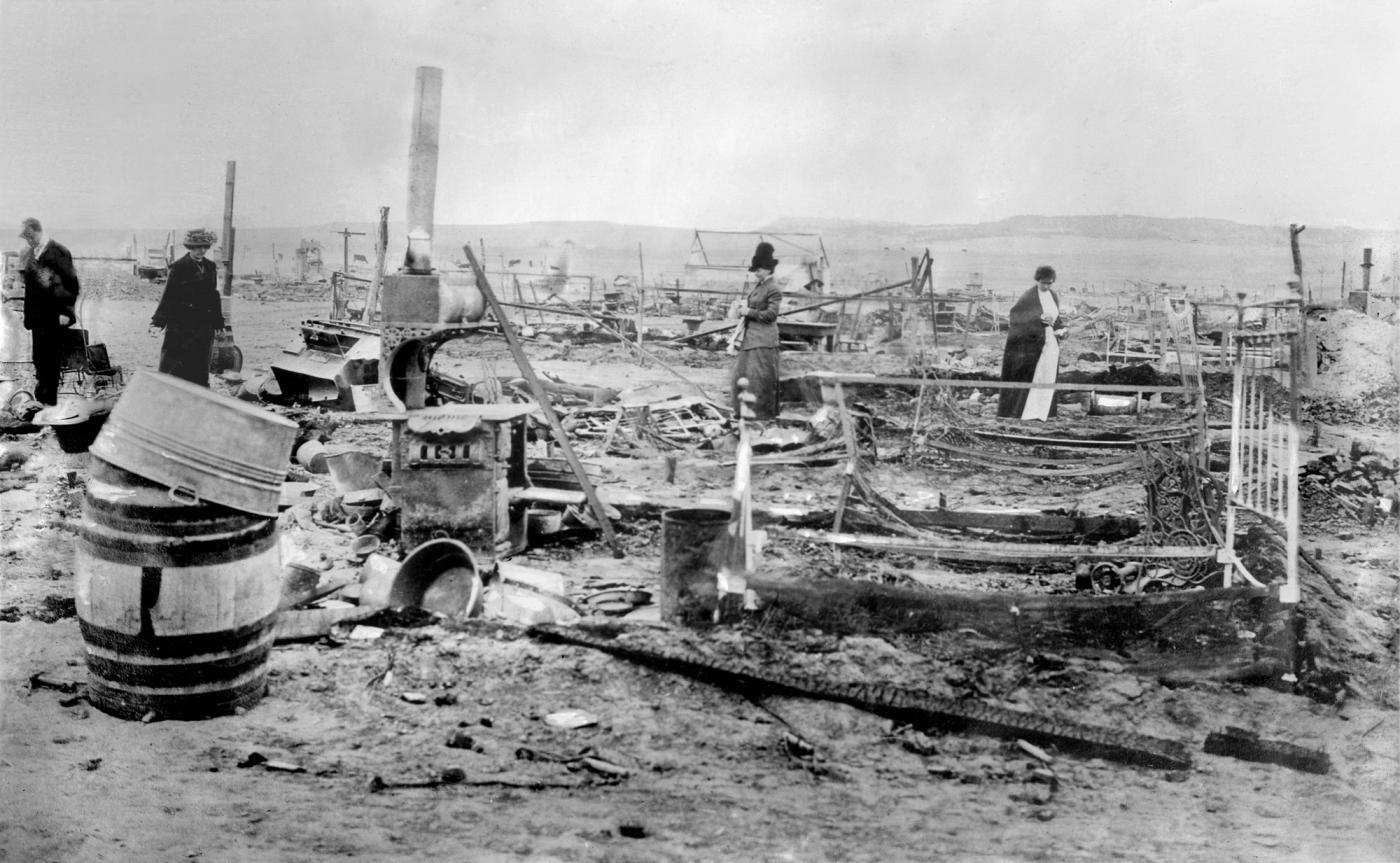
The Rockefellers were the controlling shareholders of Colorado Fuel and Iron, and John D. Rockefeller, Jr. sat on its board. He had not been in Colorado, had taken the company officers' account of the strike on trust, and had told a congressional committee a few weeks earlier that he would stand by the open shop whatever the cost. Ludlow attached the family name to a massacre of children, and it did so eleven months after the Foundation had been chartered to promote the well-being of mankind throughout the world.
The response ran along two tracks that would both matter. The family engaged Ivy Lee, who had been managing the press for the Pennsylvania Railroad, and the pamphlets he produced for Colorado Fuel and Iron are a founding document of corporate public relations. And the Foundation itself opened a Department of Industrial Relations under William Lyon Mackenzie King, Canada's first minister of labor and a future prime minister.[19] A private foundation endowed by the owner of the company had set up a research division to study the labor question in general and, inevitably, that company in particular. The arrangement would be very hard to defend.
On Trial Again
It was attacked within months. The United States Commission on Industrial Relations, chaired by the Kansas City lawyer Frank P. Walsh, had been created to examine the causes of industrial unrest, and Ludlow gave it a subject and a defendant. Rockefeller junior testified in New York on January 25 and 26, 1915, and was recalled to Washington in May after the commission obtained his correspondence with the Colorado officers.[20]
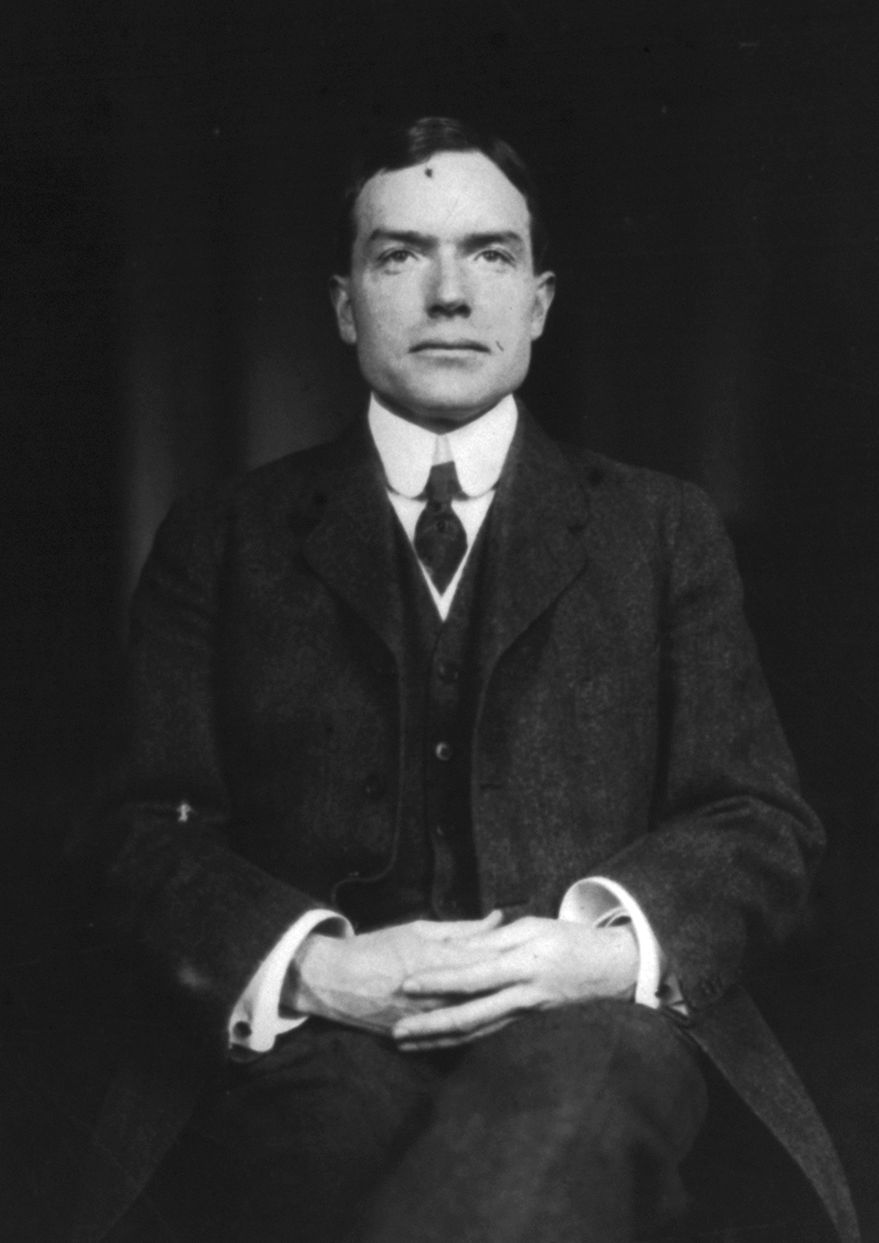
Walsh went after the Foundation as hard as he went after the coal company, and the logic of the attack was the logic the Senate had used against the charter bill. Here was an enormous private fund, directed by the founder's son and his employees, now proposing to finance research into the very conflicts in which the founder was an interested party. The commission's final report recommended that Congress limit the size and life of such foundations.[20] The Foundation, reading the weather, wound up its industrial relations work and left the field.
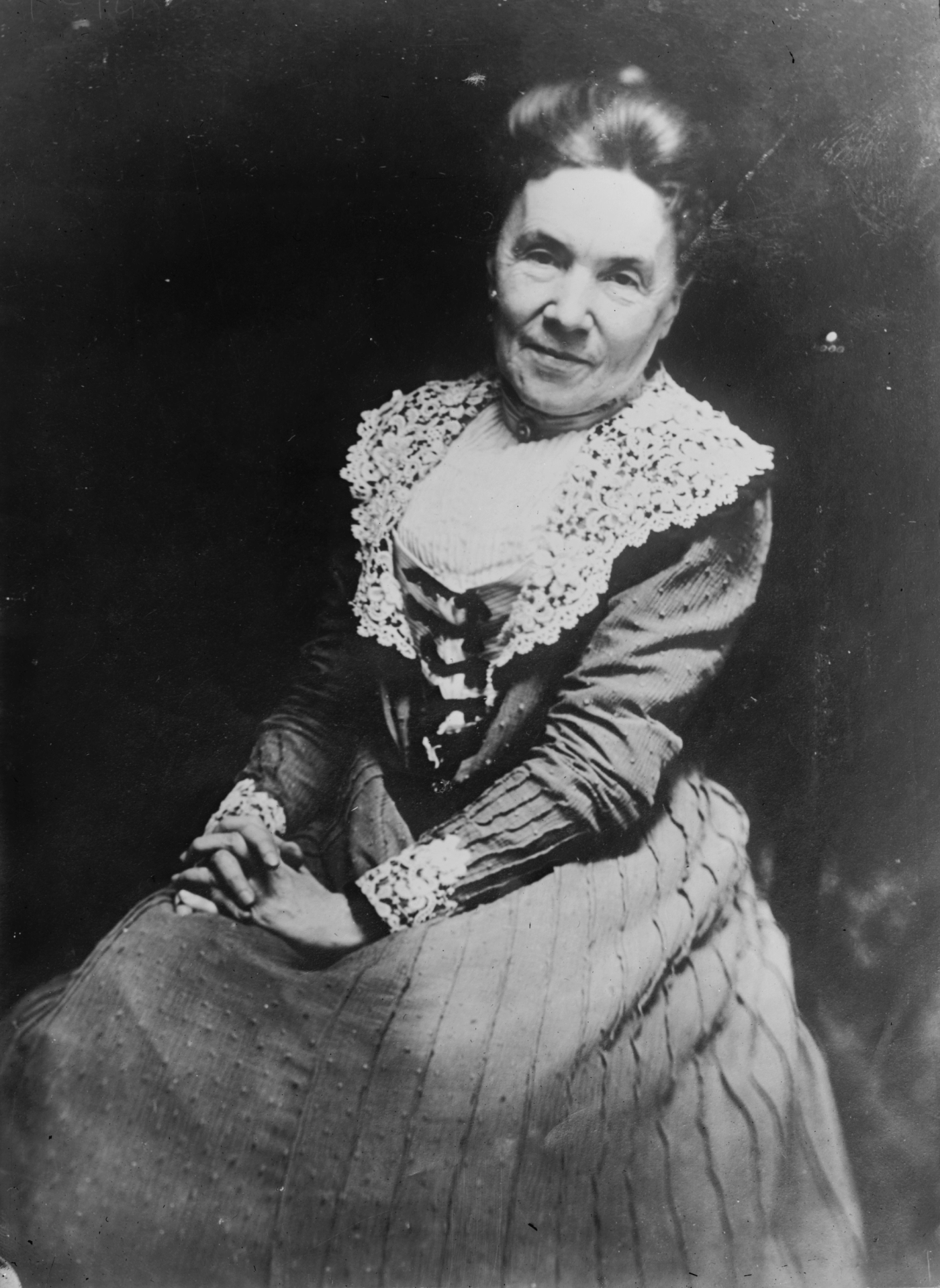
Rockefeller's wife Laura Spelman Rockefeller died at Pocantico Hills on March 12, 1915, in the middle of it.[21]
Two other things happened that year that would outlast the controversy. In September Rockefeller junior went to Colorado himself, went down the mines, danced with the miners' wives, and came back convinced; in October the company adopted the employee representation plan that Mackenzie King had designed for him. And on May 27, William H. Welch and Wickliffe Rose submitted to the General Education Board a report on the teaching of public health.[22]
The Tax Code Learns to Give
The Welch and Rose report is the origin of the American school of public health. The General Education Board, a separate Rockefeller body founded in 1903 and often confused with the Foundation, chose Johns Hopkins in 1916 and made an initial appropriation of $267,000. The school was founded that year and opened to students in October 1918 with Welch as its director, the first independent, degree-granting school of public health in the country.[22] It had nothing to do with mental hygiene, though a Rockefeller-funded body in that field, the National Committee for Mental Hygiene, had existed since 1909 and is sometimes mistakenly given the credit.[23]
Meanwhile the tax code kept moving. The Revenue Act of September 8, 1916 created the first modern federal estate tax.[24] For a man of seventy-seven holding the largest fortune in the world, that was not an abstraction, and the transfers to his son that began about this time and ran into the 1920s came to something like four hundred and fifty million dollars.[25]
Then, on October 3, 1917, the War Revenue Act allowed individuals for the first time to deduct from taxable income what they gave to religious, charitable, scientific, literary and educational organizations, up to fifteen percent of net income.[26] The wartime rates that made the deduction necessary ran to sixty-seven percent at the top. Within four years the federal government had acquired the power to tax incomes, defined the charitable corporation and exempted it, taxed estates, and then paid citizens to give their money to the exempt corporations. The Foundation had been chartered just ahead of the machinery that would make institutions like it the normal destination of American wealth.
The War and the Turn
What rescued the Foundation's reputation was not an argument but a war. From 1914 it financed relief in Belgium and France; after American entry it worked alongside the Red Cross, and in 1918 and 1919 it put money into tuberculosis work in France and into the influenza emergency. By the armistice it had spent some $22,500,000 on war-related causes.[27]
The effect was to make the Foundation ordinary. An institution that in 1915 had been described in a federal report as a menace was by 1919 an accepted part of the apparatus by which Americans did good abroad. Rockefeller marked his wife's memory in the same period: the Laura Spelman Rockefeller Memorial was incorporated in New York on October 9, 1918 with an endowment of some thirteen million dollars.[28]
Eighty
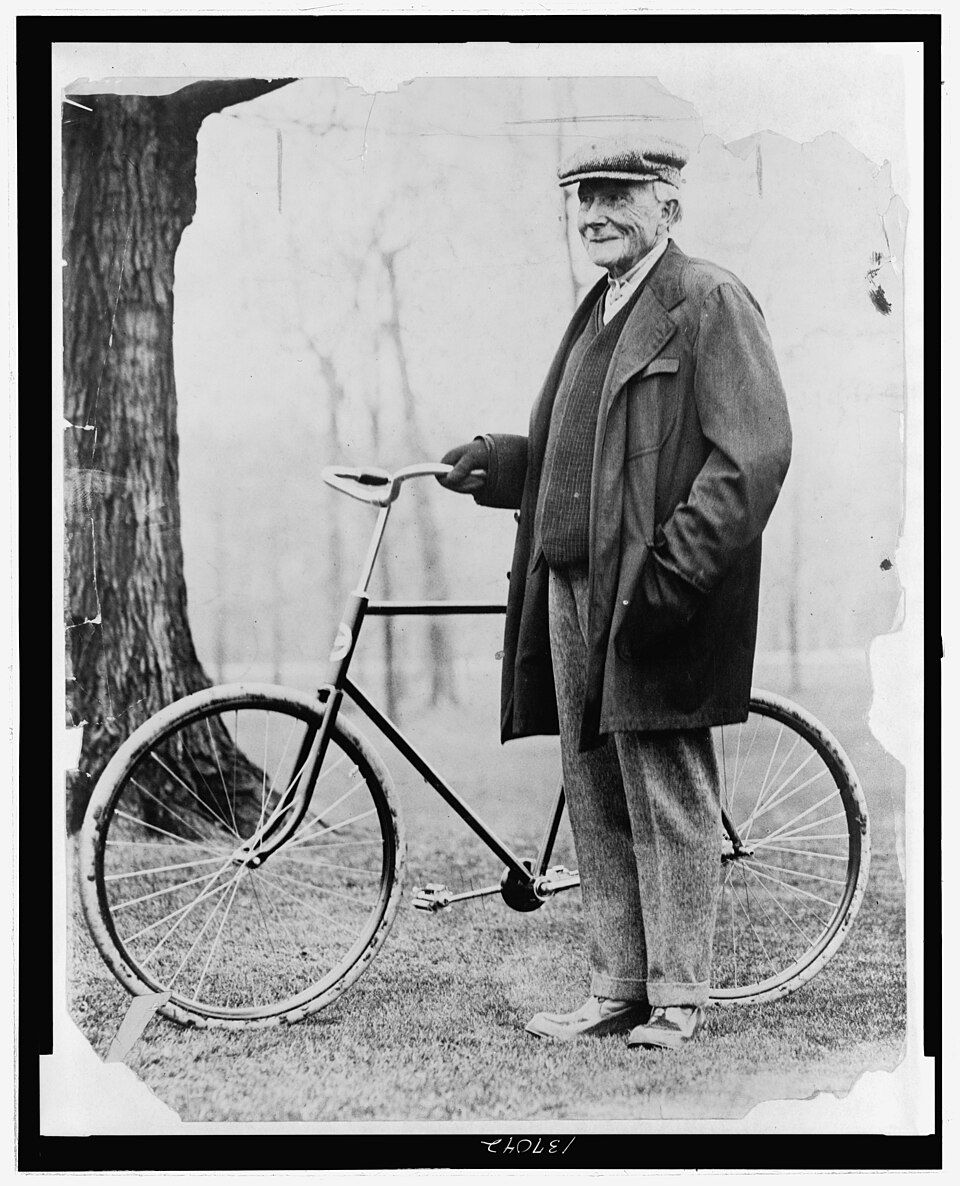
Rockefeller turned eighty on July 8, 1919. He had not managed Standard Oil since the 1890s and had resigned its presidency in 1911; he golfed, he gave away dimes, and he submitted to being photographed doing both.
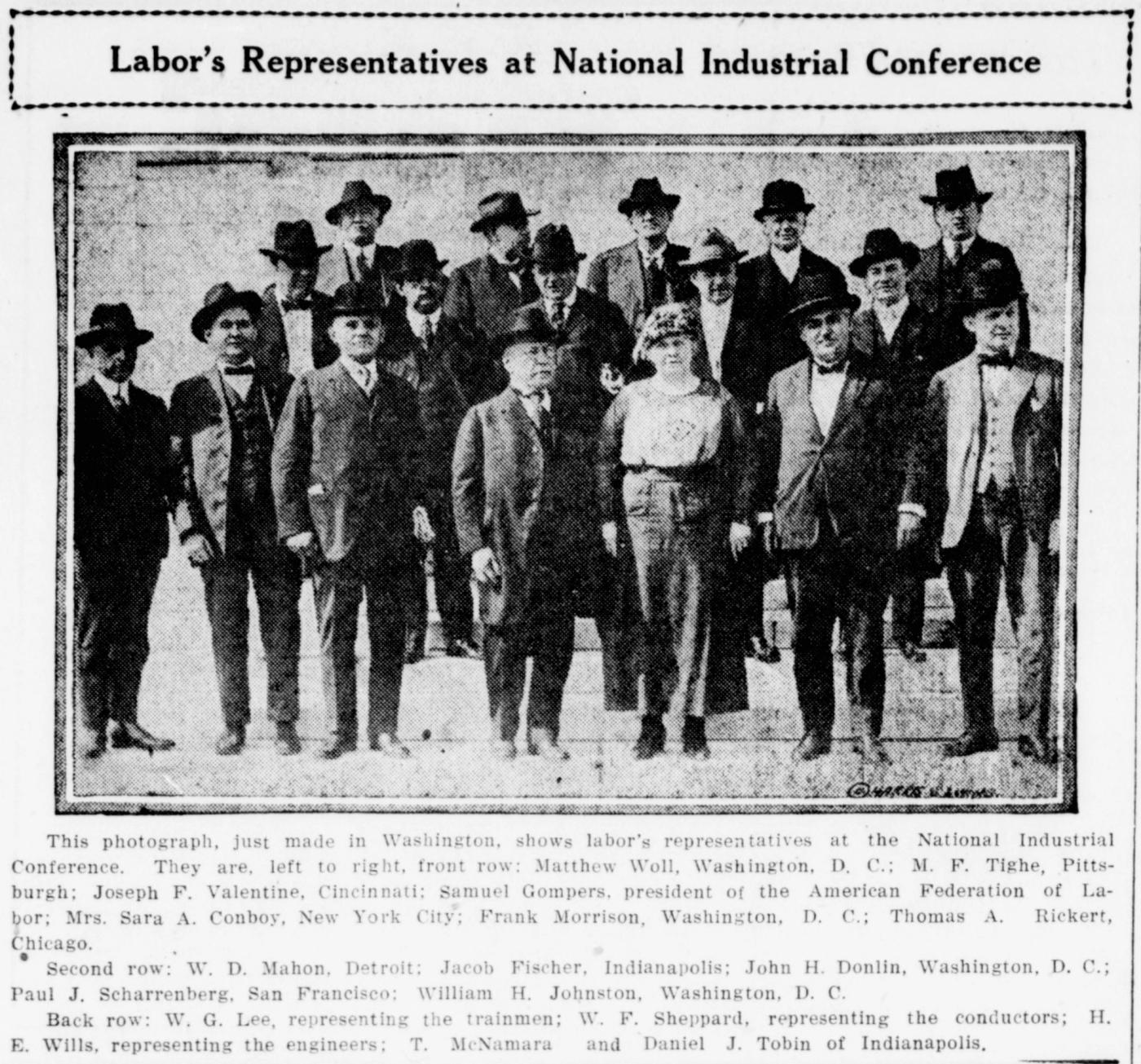
His son was the working Rockefeller now. When President Wilson convened the First Industrial Conference in Washington in October 1919 to find some settlement between capital and labor after a year of strikes, Rockefeller junior sat in the public group. The labor delegates walked out on October 22 when the conference would not endorse collective bargaining. The day after, the remaining delegates named a committee chaired by Rockefeller to write the final report, and the conference adjourned on October 24 having agreed on very little.[29] The employee representation plan he had brought from Colorado was the model he pressed, and it was precisely what the labor men had left the room rather than accept.
Then, on December 18, 1919, Rockefeller gave the Foundation securities valued at $50,438,768.50. The Foundation's principal funds rose that year from $122,293,425.32 to $174,186,828.46.[30] In the letter transmitting the gift he raised a point of jurisdiction. His attention had been called, he wrote, to the needs of some of the medical schools in Canada, but the General Education Board was confined by its charter to the United States. "The Canadian people are our near neighbors," he went on. "They are closely bound to us by ties of race, language, and international friendship; and they have without stint sacrificed themselves, their youth and their resources, to the end that democracy might be saved and extended." The Foundation afterward set aside five million dollars of the gift for use in Canada.[31]
What the Twelve Years Settled
In 1907 Rockefeller was a convicted corporation's owner facing the largest fine ever imposed by an American court. In 1919 he was an eighty-year-old man directing the disposal of a fortune through a chartered institution that governments consulted. Nothing in between went as its authors intended. The fine was erased. The dissolution enriched him. The federal charter was refused and a state granted one in six weeks. The commission that set out to break the Foundation's power produced a report that Congress did not act on, while the tax code quietly made the Foundation's form the standard vehicle for great wealth in America.
It would be too neat to say that Rockefeller planned this. The hookworm commission of 1909 was not a scheme to escape the antitrust laws, and the men who wrote the charitable exemption into the 1913 tariff bill were not thinking about him. But it would be equally wrong to treat the philanthropy as unrelated to the prosecutions. The two ran on the same twelve years, in the same newspapers, before the same public, and each shaped what the other could do. The courts could reach the Standard Oil Company. They could not reach what the Standard Oil Company had earned, once it had been moved into a corporation chartered to last forever and promote the well-being of mankind throughout the world.
The arrangement Rockefeller arrived at by 1919 is the one American philanthropy still uses. Its scale has grown and its manners have changed, but a tax-exempt perpetual corporation, governed by self-perpetuating trustees, spending the income of a business fortune on problems the state has not solved, is recognizably the thing that Congress declined to charter in 1910 and New York chartered in 1913. The argument the senators made against it has never quite been settled either.
Places in this Story
The places this story moves through, in order — follow them on the interactive map →
- Chicago, Illinois August 3, 1907
Judge Landis fines Standard Oil of Indiana $29,240,000 for taking rebates. The judgment is reversed in 1908 and never paid.
- New York City, New York October 1907
Rockefeller deposits $10 million with the Union Trust Company during the panic and lets it be known that more is available.
- Washington, District of Columbia May 15, 1911
The Supreme Court orders Standard Oil dissolved. The successor shares rise and Rockefeller's fortune reaches its peak.
- Albany, New York May 14, 1913
Governor Sulzer approves Chapter 488, chartering the Rockefeller Foundation after Congress had refused for three years.
- Georgetown, Guyana 1914
The International Health Commission begins its first work outside the United States, against hookworm in British Guiana.
- Ludlow, Colorado April 20, 1914
Militia and company guards fire on a tent colony at Colorado Fuel and Iron. About twenty die, eleven of them children.
- Beijing, China November 1914
The China Medical Board is established as a division of the Foundation, with the Peking Union Medical College its largest work.
- Baltimore, Maryland 1916
The General Education Board selects Johns Hopkins for the first independent school of public health in the United States.
- Washington, District of Columbia October 1919
Rockefeller junior chairs the committee that writes the final report of Wilson's First Industrial Conference.
Frequently Asked Questions
Did Standard Oil ever pay the $29 million fine?
No. Judge Kenesaw Mountain Landis imposed the fine on Standard Oil of Indiana on August 3, 1907, but the Circuit Court of Appeals reversed it in July 1908. At the retrial in March 1909 the judge directed a verdict of not guilty, and no part of the fine was ever collected.
Why was the Rockefeller Foundation chartered by New York and not by Congress?
A bill to incorporate the Foundation federally was introduced in the Senate in 1910 and blocked for three years, with the attorney general attacking it as a scheme for perpetuating vast wealth. Rockefeller abandoned the attempt and went to Albany, where Governor Sulzer approved the state charter on May 14, 1913.
Did breaking up Standard Oil cost Rockefeller money?
It did the opposite. The Supreme Court ordered the dissolution on May 15, 1911, and the thirty-four successor companies' shares rose once the antitrust threat lifted. Rockefeller's fortune reached about $900 million by 1913, the highest it ever stood.
What connects the Rockefeller Foundation to today's 501(c)(3) rules?
The Revenue Act of October 3, 1913 exempted corporations operated exclusively for religious, charitable, scientific or educational purposes, which is the direct ancestor of section 501(c)(3). The deduction for individual gifts came separately, in the War Revenue Act of October 3, 1917.
How was the Rockefeller Foundation involved in the Ludlow Massacre?
The Rockefellers controlled Colorado Fuel and Iron, where the killings took place on April 20, 1914. The Foundation then created a Department of Industrial Relations under Mackenzie King, and the Walsh Commission attacked it in 1915 for studying labor conflicts in which its founder was an interested party.
What did Rockefeller give the Foundation in 1919?
On December 18, 1919 he gave securities valued at $50,438,768.50, which raised the Foundation's principal funds for the year from $122,293,425.32 to $174,186,828.46. Because the General Education Board's charter confined it to the United States, the trustees set aside $5 million of the gift for medical schools in Canada.
Did the Rockefeller Foundation found the Johns Hopkins School of Hygiene and Public Health?
Not quite. The money came from the General Education Board, a separate Rockefeller body, which selected Hopkins in 1916 following the Welch and Rose report of May 1915. The school opened to students in October 1918 and was the first independent degree-granting school of public health in the United States.
Bibliography
The Rockefeller Foundation. Annual Report 1913-1914. New York, 1915. https://www.rockefellerfoundation.org/wp-content/uploads/Annual-Report-1913-1914-1.pdf
The Rockefeller Foundation. Annual Report 1919. New York, 1920. https://www.rockefellerfoundation.org/wp-content/uploads/Annual-Report-1919-1.pdf
The Rockefeller Foundation. Annual Report 1920. New York, 1921. https://www.rockefellerfoundation.org/wp-content/uploads/Annual-Report-1920-1.pdf
An Act to incorporate The Rockefeller Foundation. Chapter 488 of the Laws of New York, 1913. Approved May 14, 1913. https://www.rockefellerfoundation.org/wp-content/uploads/Rockefeller-Foundation-Charter.pdf
Annual Report. New York: Offices of the International Health Board, 1915.
Standard Oil Co. of New Jersey v. United States, 221 U.S. 1 (1911).
Standard Oil Co. of Indiana v. United States, 164 F. 376 (7th Cir. 1908).
Revenue Act of 1913 (Underwood-Simmons Tariff Act), 38 Stat. 114.
Revenue Act of 1916, 39 Stat. 756.
War Revenue Act of 1917, 40 Stat. 300.
United States Commission on Industrial Relations. Final Report and Testimony. Washington: Government Printing Office, 1916.
Welch, William H., and Wickliffe Rose. Institute of Hygiene. Submitted to the General Education Board, May 27, 1915.
The New International Year Book for 1919. New York: Dodd, Mead, 1920.
Bruner, Robert F., and Sean D. Carr. The Panic of 1907. Hoboken: Wiley, 2007.
Chernow, Ron. Titan: The Life of John D. Rockefeller, Sr. New York: Random House, 1998.
Citations
- United States v. Standard Oil Co. of Indiana, fine imposed by Judge Kenesaw Mountain Landis, U.S. District Court for the Northern District of Illinois, August 3, 1907: 1,462 counts at the statutory maximum of $20,000, $29,240,000 in all. ↑
- Standard Oil Co. of Indiana v. United States, 164 F. 376 (7th Cir. 1908), decided July 22, 1908, holding that each carload was not a separate offense and that the penalty had been wrongly measured by the wealth of the parent company. On the retrial before Judge Albert B. Anderson in March 1909 the government could not proceed and a verdict of not guilty was directed. No part of the fine was ever paid. ↑
- Robert F. Bruner and Sean D. Carr, The Panic of 1907 (Hoboken: Wiley, 2007). Rockefeller deposited $10,000,000 with the Union Trust Company in late October 1907 and let it be known that more was available. The rescue itself was organized and directed by J. P. Morgan; popular accounts overstate Rockefeller's part in it. ↑
- The Rockefeller Sanitary Commission for the Eradication of Hookworm Disease was organized on October 26, 1909 with a gift of $1,000,000 and worked in eleven Southern states under Wickliffe Rose. ↑
- "The Rockefeller Foundation's 20th-Century Global Fight against Disease," REsource, Rockefeller Archive Center, August 3, 2022, https://resource.rockarch.org/story/the-rockefeller-foundations-20th-century-global-fight-against-disease/ ↑
- The Rockefeller Institute for Medical Research was founded in 1901 and given its permanent endowment in 1907. ↑
- The federal incorporation bill was drafted by Rockefeller's counsel Starr J. Murphy and introduced in the Senate in 1910. Attorney General George W. Wickersham attacked it as "an indefinite scheme for perpetuating vast wealth," and it was redrawn to carry a hundred-year limit on the corporation's life and a ceiling on its assets before being abandoned in 1913. The phrase "tainted money" was not coined in this debate; it belongs to Washington Gladden's attack of March 1905 on Rockefeller's gift to the Congregational American Board of Commissioners for Foreign Missions, and was revived against the charter. ↑
- Standard Oil Co. of New Jersey v. United States, 221 U.S. 1 (1911), decided May 15, 1911, ordering dissolution within six months. The separation took effect on December 1, 1911 and produced thirty-four successor companies. ↑
- Ron Chernow, Titan: The Life of John D. Rockefeller, Sr. (New York: Random House, 1998). The figure of about $900 million is usually given for 1913, after the successor shares had risen, rather than for 1911. ↑
- The Sixteenth Amendment was ratified on February 3, 1913 and certified by Secretary of State Philander C. Knox on February 25, 1913. ↑
- An Act to incorporate The Rockefeller Foundation, Chapter 488 of the Laws of New York, 1913, approved May 14, 1913, section 1, https://www.rockefellerfoundation.org/wp-content/uploads/Rockefeller-Foundation-Charter.pdf ↑
- Revenue Act of 1913 (Underwood-Simmons Tariff Act), 38 Stat. 114, approved October 3, 1913, section II, paragraph G(a), 38 Stat. 172, exempting corporations "organized and operated exclusively for religious, charitable, scientific, or educational purposes." The provision grants exemption only; the deduction for individual gifts arrives in 1917 and the corporate deduction not until 1935. ↑
- John D. Rockefeller to the trustees of The Rockefeller Foundation, reproduced in The Rockefeller Foundation, Annual Report 1913-1914 (New York, 1915), giving securities valued at $65,569,569.46 at the market price of March 1, 1914 and "making with the amounts heretofore given by me to the Rockefeller Foundation, One hundred million dollars." ↑
- Annual Report (New York: Offices of the International Health Board, 1915), 8. The body was created as the International Health Commission on June 27, 1913 and renamed the International Health Board in 1916. ↑
- The International Health Commission's first work outside the United States began in British Guiana in 1914, with the approval of the British Colonial Office. ↑
- The China Medical Board was established as a division of the Foundation in November 1914. Its largest undertaking was the Peking Union Medical College. ↑
- The Rockefeller Foundation, Annual Report 1920 (New York, 1921), https://www.rockefellerfoundation.org/wp-content/uploads/Annual-Report-1920-1.pdf ↑
- About twenty people died at the Ludlow tent colony on April 20, 1914, among them eleven children; the fighting that followed across the Colorado coalfield killed perhaps seventy-five more before federal troops arrived. Counts differ according to whether the colony, the day, or the whole of the Ten Days' War is being counted. ↑
- William Lyon Mackenzie King was engaged in 1914 to direct the Foundation's new Department of Industrial Relations, and went on to design the employee representation scheme adopted at Colorado Fuel and Iron in October 1915. ↑
- Statement of John D. Rockefeller, Jr., before the United States Commission on Industrial Relations, New York, January 25 and 26, 1915; he was recalled and testified again in Washington on May 20 and 21, 1915. The commission's final report recommended limiting the great foundations. ↑
- Laura Spelman Rockefeller died at Pocantico Hills, New York, on March 12, 1915. ↑
- William H. Welch and Wickliffe Rose, Institute of Hygiene, submitted to the General Education Board on May 27, 1915. The General Education Board, a separate Rockefeller body founded in 1903, selected Johns Hopkins in 1916 with an initial appropriation of $267,000. The school was founded that year and opened to students in October 1918 under Welch. It was the first independent, degree-granting school of public health in the United States; a School for Health Officers had been run jointly by Harvard and the Massachusetts Institute of Technology since 1913. ↑
- The National Committee for Mental Hygiene was founded on February 19, 1909 by Clifford Beers, and is known today as Mental Health America. ↑
- Revenue Act of 1916, approved September 8, 1916, which established the first modern federal estate tax. ↑
- Rockefeller transferred roughly $450 million to his son in gifts running from about 1916 to 1922. ↑
- War Revenue Act of 1917, approved October 3, 1917, allowing individuals to deduct contributions to religious, charitable, scientific, literary and educational organizations up to fifteen percent of net income. ↑
- The New International Year Book for 1919 (New York: Dodd, Mead, 1920), 844. ↑
- The Laura Spelman Rockefeller Memorial was incorporated under the Membership Corporations Law of the State of New York on October 9, 1918, as recited in the later consolidation agreement printed with the Foundation's charter. Its endowment was about $13 million at the outset and was built up to some $74 million after a further gift in January 1921. Its well-known social science program belongs to the 1920s, under Beardsley Ruml. ↑
- The First Industrial Conference met in Washington from October 6, 1919. The labor group withdrew on October 22 after the collective bargaining resolution failed; on October 23 the public group named a committee chaired by John D. Rockefeller, Jr. to draft the final report, and the conference adjourned on October 24. ↑
- The Rockefeller Foundation, Annual Report 1919 (New York, 1920), Treasurer's Report: "On December 18, 1919, Mr. Rockefeller gave to the Foundation the securities listed in Exhibit P," valued at $50,438,768.50. Principal funds including the reserve fund rose during the year from $122,293,425.32 to $174,186,828.46. https://www.rockefellerfoundation.org/wp-content/uploads/Annual-Report-1919-1.pdf ↑
- The Rockefeller Foundation, Annual Report 1919, "Aid to Canadian and Other Medical Schools," quoting Rockefeller's statement transmitting the gift. The board afterward set aside $5,000,000 of it for use in Canada. ↑