The Courtyard at Pizzo
On the evening of October 12, 1815, a courier arrived in the small Calabrian fishing port of Pizzo carrying orders from Naples. A second courier followed a few hours later. Both were addressed to General Vito Nunziante, the Bourbon commander in Calabria, and both instructed him to convene a court martial for a prisoner held in a guarded room of the town's castle. The prisoner was Joachim Murat, who until that spring had reigned in Naples as King Joachim Napoleon. The court, made up of Nunziante, eight officers, and the procurator-general of the criminal court at nearby Monteleone, reached its verdict the next day. According to Antonio Perri, the British vice-consul at Pizzo, who wrote a plain account of what followed, Murat greeted the death sentence by asking what he had done to deserve it. He asked for scissors to cut a lock of hair for his wife and was refused. He declined a blindfold, turned to face the soldiers, put a hand to his chest, and gave the order to fire himself. Twelve muskets answered. His body was wrapped in coarse cloth and carried by six soldiers to the church of Saint George, where it was placed in the common grave used for the town's poor.[1]
The scene has been retold many times, usually with Murat calling out to the firing squad to aim for his heart and spare his face. That line is memorable and fits the legend of his courage, but it comes from people who were not in Pizzo that day, among them the historian Pietro Colletta. Perri, who was there, records nothing of the kind.[2] Even without the famous line, the scene was a strange one. A former king, a marshal of France and the brother-in-law of Napoleon, was being shot as a common insurgent in a remote corner of a kingdom he had ruled for seven years, whose laws, army, and administration the French had remade. The men who judged him served a restored Bourbon monarchy that would soon find itself governing through the institutions he had left behind.
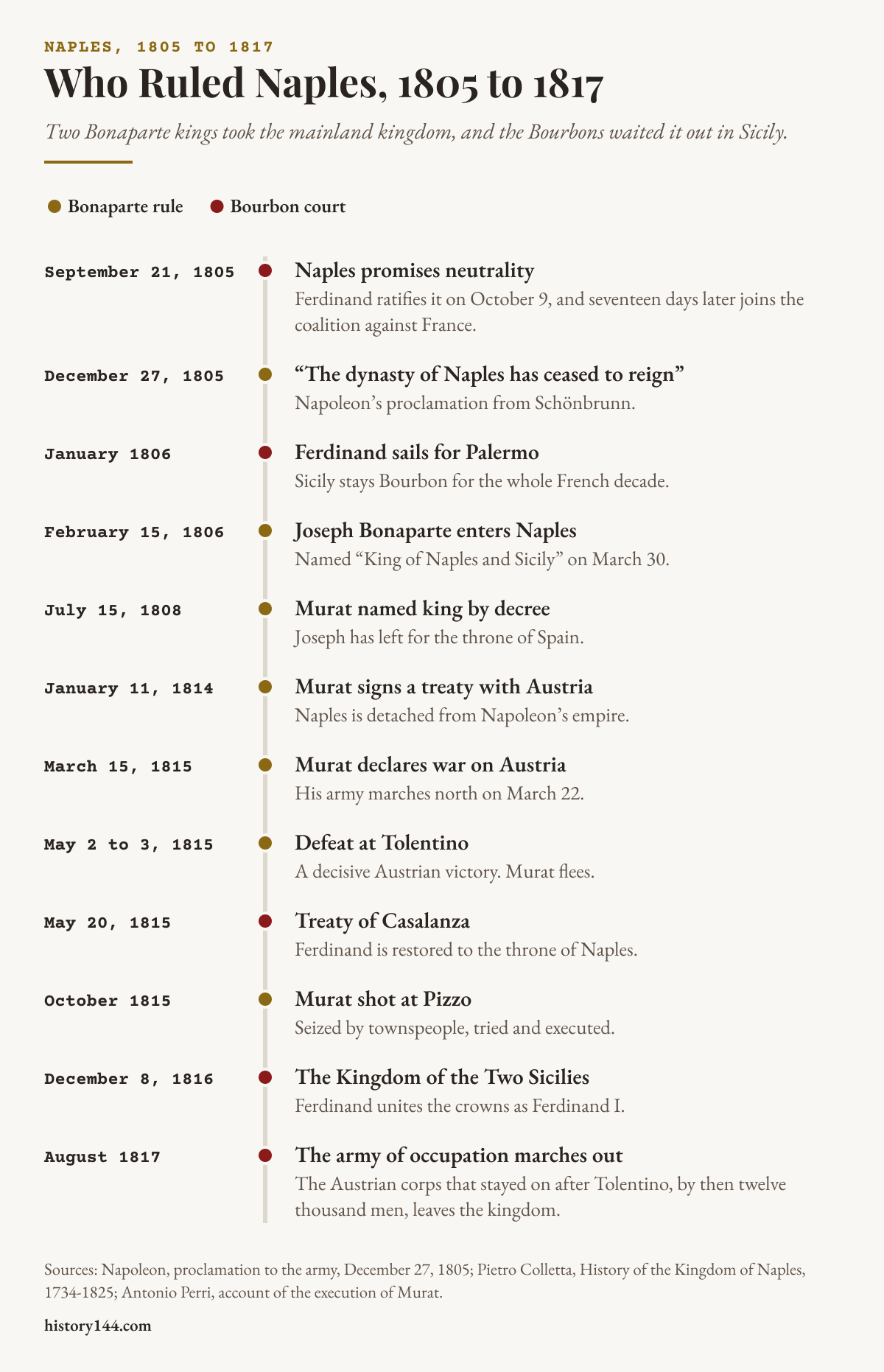
It is easy to assume that the Bourbon restoration undid the French decade, and that Murat's death in a pauper's grave closed it. It did neither. Between September 1805 and August 1817, the mainland Kingdom of Naples was conquered by the French, ruled successively by two of Napoleon's relatives, convulsed by one of the most savage guerrilla wars of the age, and then handed back to the dynasty that had lost it. The French were driven out, but the state they made was not. The Bourbons came home to a kingdom stripped of its feudal order and run by intendants, codes, and conscripts, and they chose to keep most of it. Beneath that inherited machinery a network of secret societies, born during the French years, was quietly spreading. This is the story of those twelve years.
"The Dynasty of Naples Has Ceased to Reign"
The road to Pizzo began with a treaty that Naples had no intention of keeping. On September 21, 1805, as the Third Coalition of Britain, Austria, and Russia went to war with France, Talleyrand for France and the Marquis del Gallo for Naples signed an agreement at Paris. By its terms King Ferdinand IV undertook to stay neutral, to keep hostile soldiers and ships out of his ports, and to give the command of his army or of any fortress to no foreigner. Napoleon undertook in return to withdraw General St. Cyr’s army from the kingdom within thirty days. Ferdinand ratified the act of neutrality on October 9. Seventeen days later he ratified a treaty at Vienna joining the league of Austria, Russia, and Britain against France. His formidable queen, Maria Carolina, was a daughter of the Empress Maria Theresa and the sister of Marie Antoinette. For years she had been the real political force at court, steering Naples toward Britain and against revolutionary France.[3]
The treaty did not stop the queen from appealing to her allies. Toward the end of November 1805, some eleven thousand Russians, two thousand Montenegrins, and about six thousand British soldiers from Malta came ashore in the Bay of Naples. Ferdinand put his own army, about twelve thousand foot and two thousand horse, under the Russian general Lacy, and the allies moved north toward the frontier.[4] On December 2, Napoleon destroyed the Austrian and Russian armies at Austerlitz, and on December 26 Austria signed the Peace of Pressburg. The allied army in southern Italy was stranded, its Austrian ally out of the war.
Napoleon's response came from the palace of Schönbrunn outside Vienna on December 27, 1805, in a proclamation to his army that denounced the court of Naples as faithless and announced that "the dynasty of Naples has ceased to reign."[5] The phrase became famous partly because it proved premature. The Bourbons would rule in Naples again within a decade and would not finally lose their throne until 1861. In the winter of 1805, however, the threat was real. A French army that Colletta put at fifty thousand men, under Marshal André Masséna, marched south through the Papal States, with Napoleon's elder brother Joseph accompanying it as the emperor's personal representative.[6]
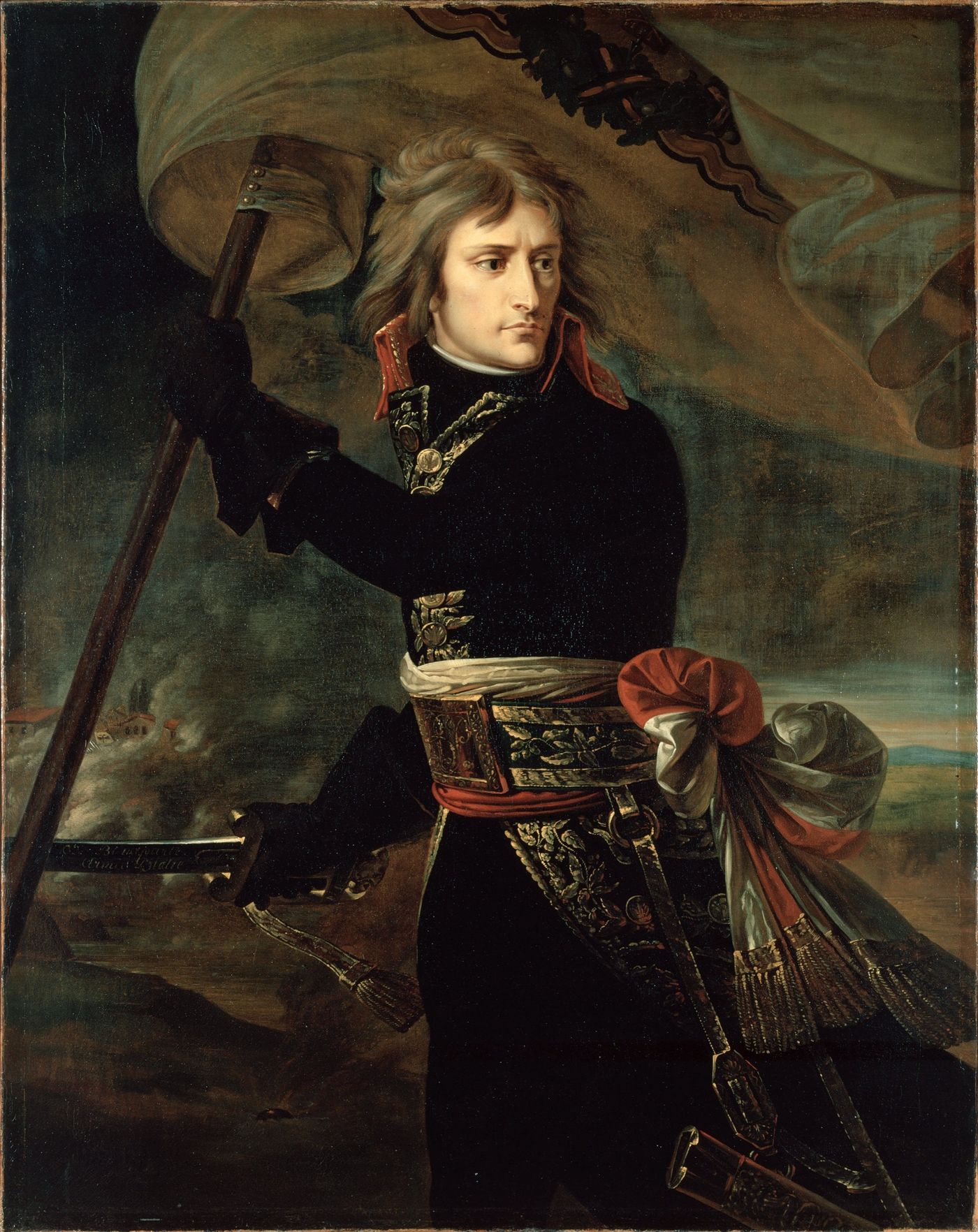
The Neapolitan court did not wait for the blow to fall. Ferdinand sailed for Palermo in January 1806. The queen and the rest of the royal family followed, taking refuge once again on the island where they had fled from an earlier French invasion in 1798.[7] Sicily, protected by the Royal Navy, would remain in Bourbon hands for the whole of the French decade. Joseph Bonaparte entered the city of Naples on February 15, 1806, not yet as king but as his brother's lieutenant. On March 30, a decree signed by Napoleon in Paris named him "King of Naples and Sicily," a title that claimed far more than it delivered, since neither Joseph nor his successor ever ruled the island. Joseph was at Reggio, in Calabria, when the decree reached him, and he made his royal entry into Naples on May 11.[8]
Political Brigands
The capital fell quickly, but the provinces did not. In the mountains of Calabria, at the toe of the Italian peninsula, the French met a popular insurrection that would occupy them for years. The French called the rebels briganti, or brigands, and the label stuck. The line between political resistance and ordinary banditry was blurred from the start. The writer Norman Douglas, looking back on the period a century later, described the men who gave the French so much trouble as political brigands allied with the Bourbon cause.[9] By July 1806, the French had crushed organized Neapolitan resistance everywhere except in Calabria and at the fortress of Gaeta, and the British in Sicily saw the uprising as an opportunity.[10]
In early July 1806, a small expeditionary force under Major-General Sir John Stuart crossed from Sicily and landed in the Gulf of Sant'Eufemia, hoping to support the rebels and harass the French garrisons. The historian Charles Oman, who later reconstructed the campaign in detail, found that the expedition rested on a false belief that the French commander in Calabria, General Jean Reynier, had only about five thousand men, scattered across the whole province.[11] Reynier in fact concentrated his troops and attacked the British on the plain near the village of Maida on July 4. Oman put Stuart's strength at about 5,200 men of all ranks.[12] The British line held its fire as the French advanced, then delivered heavy volleys at close range. Reynier's force broke. Stuart's army suffered 327 killed and wounded. French losses were far heavier, though accounts differ widely. Stuart put them at not less than four thousand, Oman at about 2,000, and Reynier himself at 1,300.[13]
Maida was celebrated in Britain, and Stuart was rewarded with a Sicilian title as Count of Maida.[14] Its strategic results were slight. Oman observed that the battle attracted little notice at the time, since it was a sideshow between the far larger campaigns of Austerlitz and Jena.[15] Stuart picked off a few isolated French garrisons and then returned to Sicily. Two weeks after the battle, the fortress of Gaeta, the last Bourbon stronghold on the mainland, surrendered to the French after a long siege.[16] The insurgency in Calabria, however, continued.
The war that followed was brutal on both sides, and its scale is difficult to measure. Douglas, a novelist and travel writer, reported that thirty-three thousand crimes were attributed to brigands across the kingdom in the single year 1809, and that brigands were said to have committed twelve hundred murders in Calabria within one month.[17] Douglas himself presented the monthly figure only as something that was said, and such numbers are impossible to verify. They nevertheless convey the sense of crisis felt in Naples. For many Calabrians, the arrival of French modernity came wrapped in military occupation, requisitions, and executions.
A Showcase for the Empire
While the war in the south dragged on, Joseph and his advisers set out to remake the kingdom. Naples had been one of the most thoroughly feudal states in western Europe. Barons held vast estates, exercised rights of justice over their vassals, collected dues and tolls, and controlled the common lands on which peasant communities depended for grazing and firewood. The new government moved against this system almost at once. A law of August 2, 1806, proclaimed the abolition of feudalism in the mainland kingdom. The law took away the barons' jurisdiction and feudal dues, not their estates. Former lords were allowed to keep only those rents and territorial rights that a special body, the Feudal Commission, would later confirm as legitimate.[18]
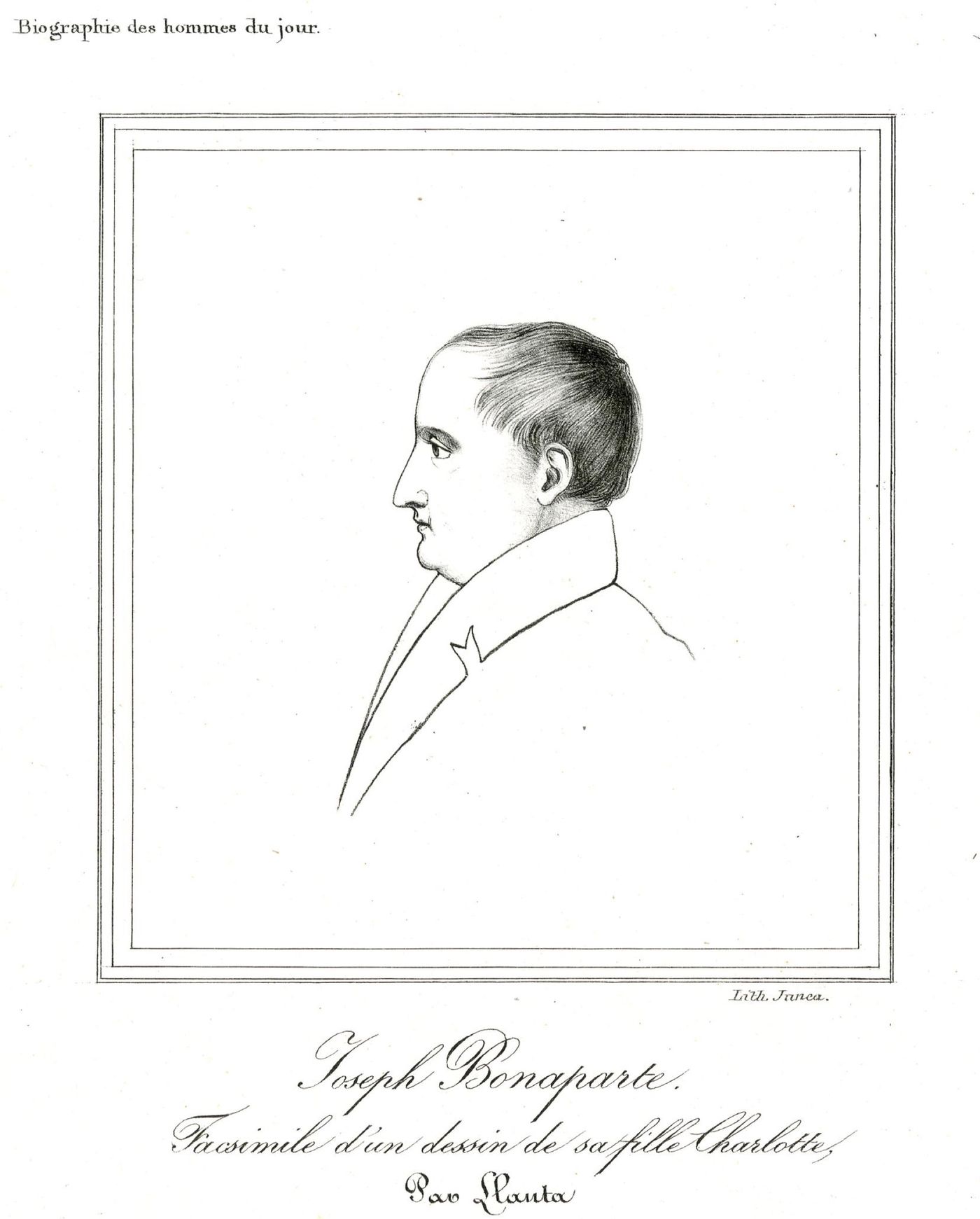
The Feudal Commission, created in 1807, was charged with settling the thousands of disputes between towns and their former barons, particularly over the division of common lands. The work proved slow and contentious. Many municipalities lacked the resources or the courage to challenge powerful former lords, who often turned themselves into ordinary landowners and kept a firm grip on local affairs.[19] In 1810 Murat declared the abolition complete, made the commission's verdicts irrevocable, and dissolved it. The legal foundations of the old order were gone. Justice, taxation, and administration were now supposed to belong to the state alone.
The historian John A. Davis has argued that southern Italy became a showcase for the empire's proclaimed mission to modernize the lands it conquered. The French rulers set out to rebuild the administration, the tax system, the courts, and education from the ground up. Davis also stresses how much of this remained on paper during Joseph's short reign. By the time Joseph left in 1808, the only problem tackled effectively was the collapse of public finances. The senior Frenchmen who ran the government were frequently at odds with one another.[20] The reforms were real, but they were also improvised, driven by the bankruptcy of the old monarchy, the demands of war, and the need to win over Neapolitan landowners and lawyers who could make the new regime work.
Joseph did not stay long enough to see the results. In the spring of 1808, Napoleon removed the Spanish Bourbons and gave their throne to his brother. Joseph left Naples for Madrid, where a far bloodier war awaited him, and the Neapolitan crown passed to another member of the imperial family.[21]
The Innkeeper's Son
The new king was Joachim Murat, the son of an innkeeper from the Lot in southwestern France, who had risen through the cavalry to become one of Napoleon's most famous marshals. He had married Napoleon's sister Caroline in 1800. Murat had led cavalry charges at Austerlitz, Jena, and Eylau, and in 1808 he had commanded the French troops who crushed the Madrid uprising of May 2. Napoleon named him king of Naples by decree on July 15, 1808.[22] The appointment came with conditions. Murat was to reign under the name Joachim Napoleon, and if Caroline outlived him, she would take the throne ahead of their sons.[23]
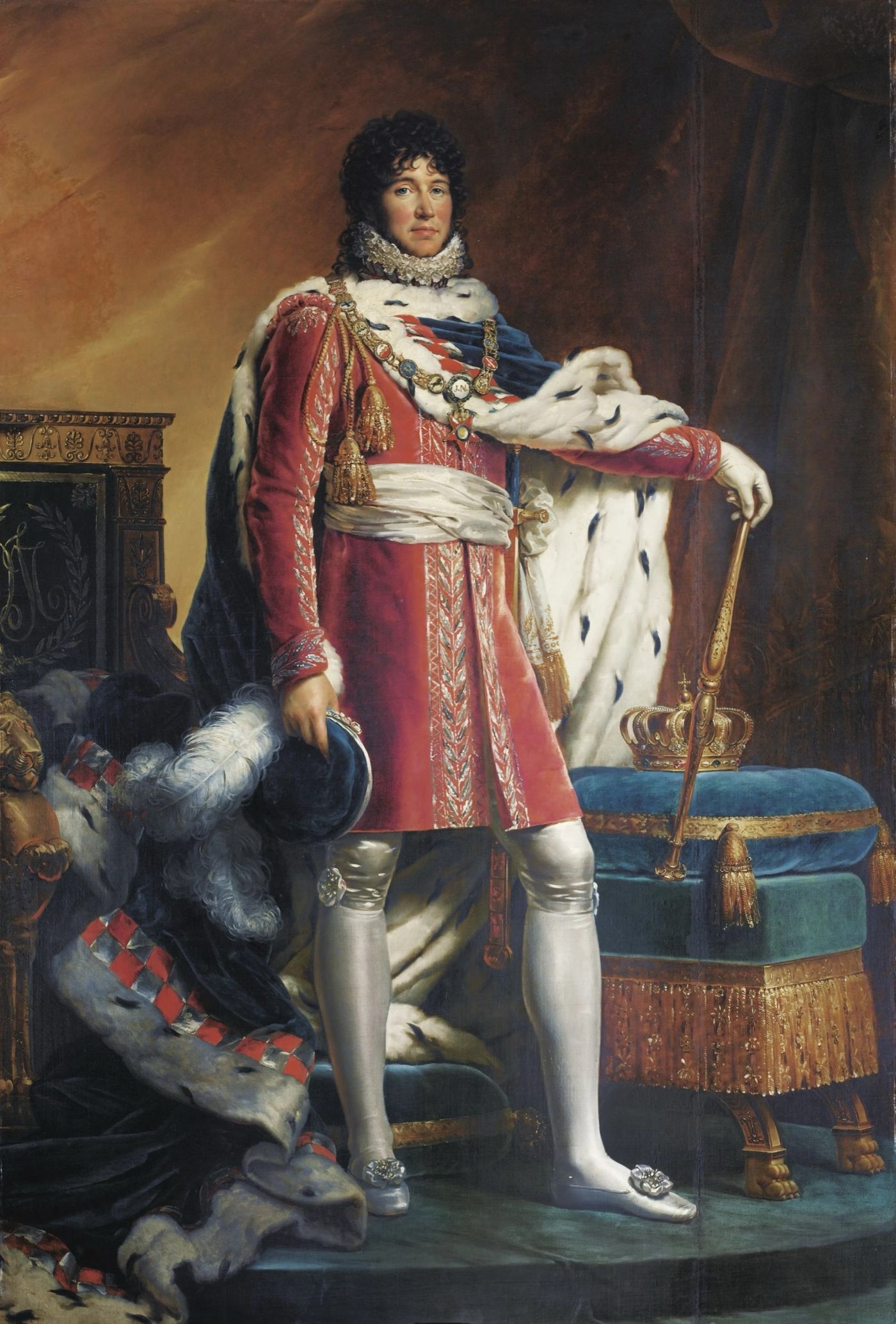
Murat made his entry into Naples on September 6, 1808, and threw himself into the role with the same energy he brought to the battlefield. Under his rule the French civil code came into force, the division of former feudal and common lands went on, and the infant cotton industry was encouraged.[24] He built up a Neapolitan army on French lines. The field army that marched north in March 1815 was given out as fifty thousand men. Colletta, its chief engineer, put its real strength at thirty-five thousand, six thousand in two legions of the Guard and twenty-nine thousand in four legions of the line. Murat increasingly regarded the army as the base of his own independent authority.[25]
He also inherited the war in Calabria and resolved to end it. In 1810, Murat gave sweeping powers to General Charles Antoine Manhès, who had already suppressed brigandage in the Abruzzi. Manhès issued proclamations of such severity that, according to Douglas, the Calabrians at first assumed they could not be meant seriously. Colletta, who served Murat, wrote that the general's threats "were fulfilled to the letter, and even exceeded." Douglas allowed that, whatever might be said against the general's methods, they succeeded, and that Calabria was purged of its brigands for the first time in many years.[26]
Murat's relations with Napoleon soon soured, and disagreements with both the emperor and Caroline unsettled the court.[27] By 1811, according to Davis, relations with Paris had deteriorated so far that Murat nearly lost his throne.[28] In 1812, Murat followed Napoleon into Russia and fought at Borodino, but during the disastrous retreat he abandoned command of the remnants of the Grande Armée and hurried home to secure his kingdom.[29]
The Charcoal Burners
As Murat's standing with Paris weakened, he depended more heavily on Neapolitan supporters, and they began to ask for something in return. The demand that emerged among liberal officers, officials, and landowners was for a constitution, a written charter that would limit royal power and give the propertied classes a voice in government. This demand became the central program of a new kind of political organization, the secret societies known as the Carbonari, or charcoal burners.
The origins of the Carbonari are obscure, and much of what was said about them at the time, by friends and enemies alike, was exaggerated. Davis traces the first references to Carbonarist lodges in southern Italy to the years when Murat's relations with Napoleon were breaking down. The lodges borrowed their rituals from freemasonry, which the empire patronized, and, by one tradition, their name from an association of charcoal burners in the Jura mountains between France and Switzerland. Davis and Briot's biographer, Francesco Mastroberti, credit Pierre-Joseph Briot, a senior French official and an unrepentant Jacobin who had long opposed Bonaparte's dictatorship, with founding one of the first lodges in Calabria, though the documents for the society's earliest years are disputed.[30] The secret societies therefore began to grow during the French decade, among men the new regime had brought to power.
The Carbonari looked to two models for the constitution they wanted. One was the Spanish constitution drawn up by the Cortes at Cádiz in 1812. The other was much closer to home. In Sicily, where the Bourbons still reigned under British protection, the British envoy and commander Lord William Bentinck backed a proposal to reform the island's feudal parliament. With his support, the Sicilian parliament adopted the bases of a new constitution on July 20, 1812, and the crown sanctioned them that August, establishing parliamentary institutions on the English model.[31] Bentinck also quarreled with Maria Carolina and persuaded Ferdinand to send her away from the island. Accounts differ on the date of her departure, but she returned to Austria and died in Vienna in September 1814, never seeing Naples again.[32]
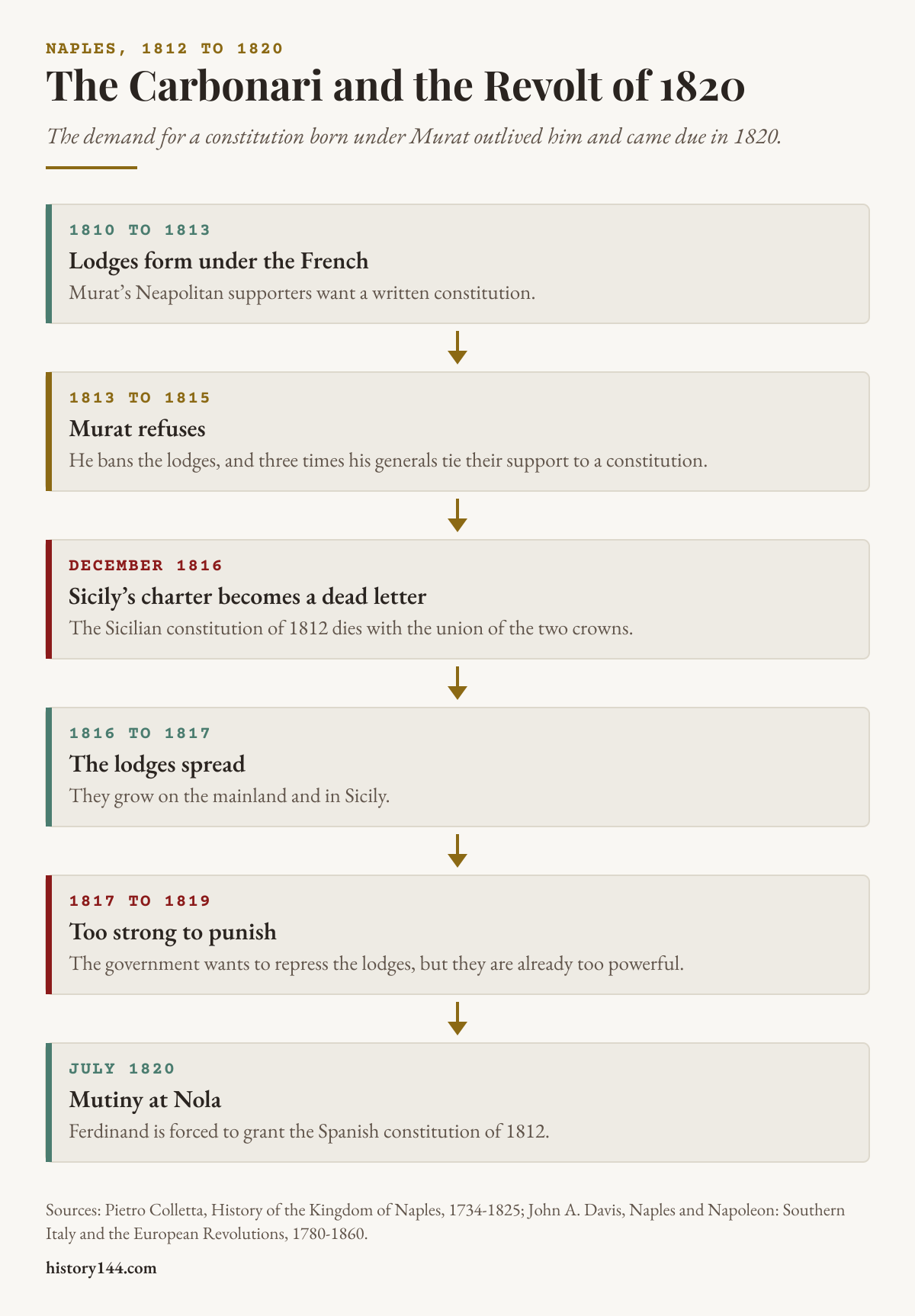
According to Colletta, Bentinck sent the new Sicilian laws to Carbonari on the mainland and promised them a similar constitution when the Bourbons returned. Support for a constitution spread through the mainland kingdom, and in 1814 a Carbonarist insurrection briefly carried the whole Abruzzi province of Teramo except its capital, proclaiming Murat's government fallen and Ferdinand restored as a constitutional king. Murat's government banned the lodges, as did the authorities in Napoleon's Kingdom of Italy in the north.[33] Events in Europe had meanwhile overtaken the quarrel. After Napoleon's defeat at Leipzig in October 1813, Murat calculated that his throne would be safer with the allies than with his brother-in-law. On January 11, 1814, he signed a treaty with Austria that detached Naples from the empire and committed Neapolitan troops to the war against the French in northern Italy.[34] According to Davis, on three separate occasions after this defection, Murat's generals made their continued support conditional on the grant of a constitution.[35] Murat never conceded one.
From the Alps to the Strait of Messina
Murat's change of sides kept him on his throne through the first months of peace, but his position was precarious. The Bourbons in Palermo had powerful friends, and the allied powers declined to recognize Murat as a lawful sovereign.[36] When Napoleon escaped from Elba and landed in France in March 1815, Murat decided to strike first.
Murat declared war on Austria on March 15, and on March 22 his army marched north.[37] On March 30, at Rimini, he issued a proclamation addressed to the Italian people. It called on Italians to rise and win their independence, and it asked for a single cry to be heard from the Alps to the Strait of Messina: "The independence of Italy!"[38] The text promised a constitution and an Italian nation, and later generations would treat it as one of the earliest public calls for Italian unity. The constitution itself was a separate document. According to Colletta, it bore the date of Rimini, March 30, but was sent to Naples only on May 12 and published on the 18th, after Murat's defeat.[39] Few Italians answered. A register was opened for volunteers, but according to Colletta scarcely a name was inscribed, and the general rising that Murat hoped for never came.[40]
The Austrians assembled their forces quickly. Murat tried to defeat their two converging armies separately, and on May 2 and 3 he attacked the Austrians under General Frederick Bianchi near Tolentino in the Marche. The battle ended in a decisive Austrian victory.[41] The Neapolitan army fell back in growing disorder, and Murat's kingdom collapsed around him. He fled, eventually reaching Corsica.[42] On May 20, his generals signed the Treaty of Casalanza with the Austrians and the British. It restored Ferdinand to the throne of Naples. Its terms were notably lenient toward the defeated. The public debt was guaranteed, the sales of crown lands were upheld, the new nobility kept its titles, and officers who swore fealty to Ferdinand kept their honors and pensions.[43] Ferdinand returned to his capital, and the Sicilian parliament that Bentinck had sponsored was never summoned again.[44]
Murat did not accept the verdict. In the autumn of 1815, with Napoleon beaten at Waterloo and any hope of imperial rescue gone, Murat sailed from Ajaccio on the night of September 28 with six small vessels and a band of followers. He apparently meant to land in the kingdom and rally his former subjects.[45] What happened next remains disputed in its details. According to Colletta, a storm scattered the vessels, and Murat, left with two of them, chose to land at Pizzo, hundreds of kilometers south of Naples, with twenty-eight followers on October 8.[46] What is not disputed is the reception he met. No one rallied to him. A band of armed townspeople overpowered him and his men, and when Captain Stratti took down the names of the captives, the prisoner gave his as "Joachim Murat, King of Naples." His trial and execution followed within days.[47] The Fondation Napoléon's biographical sketch remarks that, given the circumstances, the landing at Pizzo looks almost like an attempt at suicide.[48]
What Ferdinand Kept
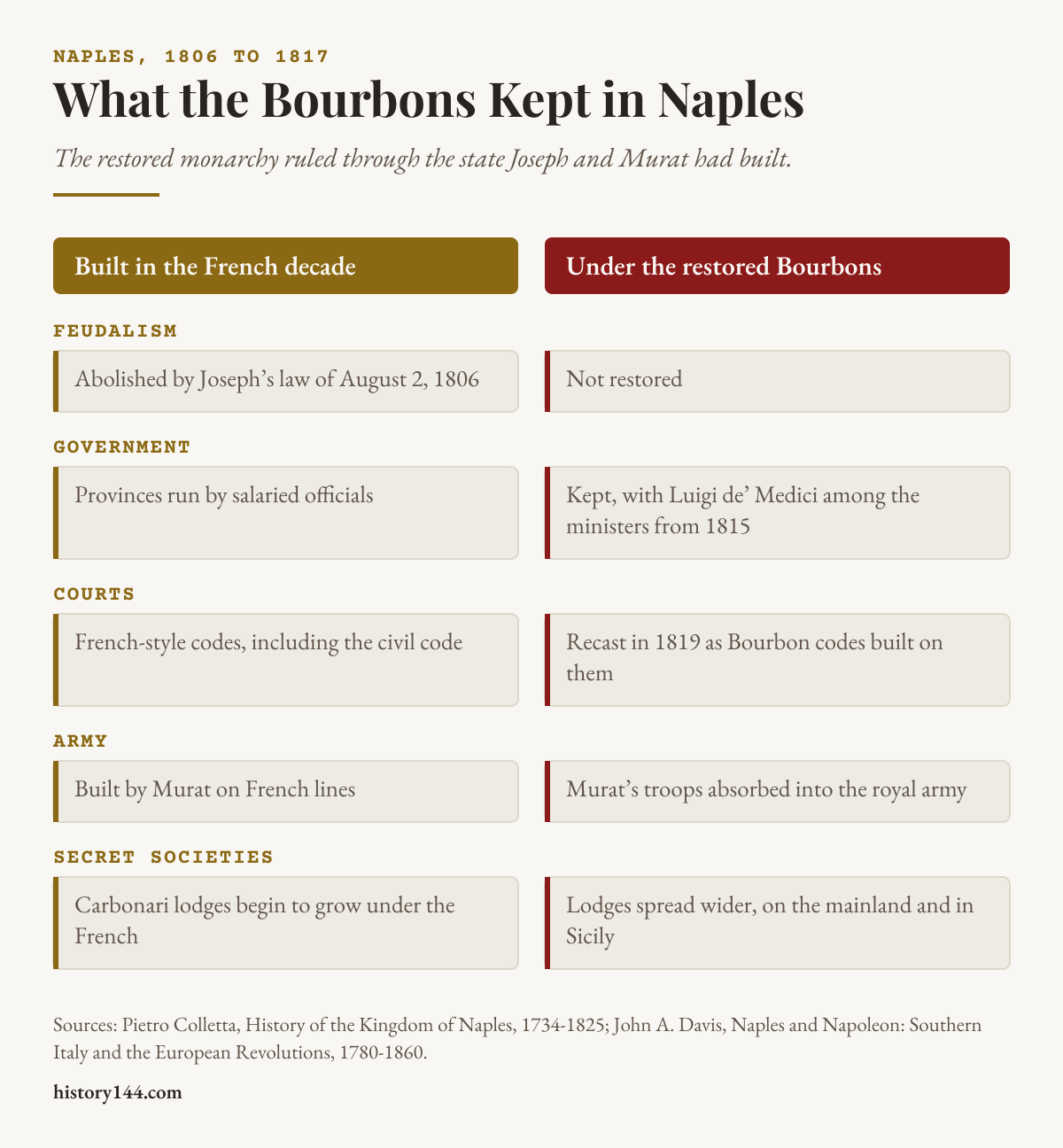
The dynasty that had ceased to reign was back. Ferdinand returned to Naples a changed ruler, or at least a more cautious one. He had spent most of a decade in Palermo under British protection, and he had watched his power on the island curtailed by a constitution imposed with British backing.[49] He now returned to a kingdom that bore little resemblance to the one he had abandoned in 1806. The feudal order was gone. The administration was organized by provinces and run by salaried officials. The courts applied French-style codes. The army had been built by Murat.
The restored government faced a choice between tearing all this down and putting it to use. It chose largely to keep it. The principal architect of that policy was Luigi de' Medici, a veteran Neapolitan statesman who had once been imprisoned by the old regime on suspicion of sympathy with the Jacobins. Ferdinand made him one of his ministers on returning to Naples in 1815, and Medici came to rank highest among them. Under his influence the restoration in Naples left most of the reforms of the French decade in place.[50] The French system gave the crown more power over the provinces than the old feudal kingdom had ever possessed, and the king had no wish to give that power back to the barons.
The same logic shaped the army. Murat's former mainland troops were absorbed into the royal army, and the army was reorganized after the formal union of the two kingdoms.[51] That union came on December 8, 1816, when Ferdinand merged the crowns of Naples and Sicily into a single Kingdom of the Two Sicilies and took the title of Ferdinand I. The Sicilian constitution of 1812, already suspended, became a dead letter with the union.[52] For liberals, the Sicilian charter remained an example of what a constitutional monarchy under the Bourbons might look like, and it would inspire Italian reformers for decades.[53]
The secret societies did not disappear with the French. The Carbonari had hoped that the restored Bourbons would extend the Sicilian constitution to the whole kingdom. When it was abolished instead, the lodges spread more widely on the mainland and in Sicily as well.[54] Ferdinand's government feared them but felt unable to confront them directly.
The first real test came from outside the kingdom. In 1817 a Carbonarist conspiracy in the Papal States, centered on Macerata in the Marche, ended in a failed attempt at a rising, and its members were arrested and tried.[55] Naples did not follow suit. In the years that followed, Colletta wrote, it wished to repress the Carbonari by punishing their crimes with severity, but the society was already too powerful, and its offenses were passed over in silence.[56] In August 1817 the Austrian army that had come to Naples in May 1815 to fight Murat, by then reduced to twelve thousand men, marched out of the kingdom. Ferdinand was left governing without foreign troops at his back. The army on which any such repression would have depended was, in large part, the army Murat had built.[57]
The Barracks at Nola
By the summer of 1817, the outward picture in Naples was one of restoration. A Bourbon king sat on the throne of his ancestors, now styled ruler of a united Kingdom of the Two Sicilies. The French were gone and Murat was dead. Yet almost everything that made the kingdom work had been built during their reigns. Feudalism had been abolished by Joseph's law of 1806 and was not restored. The provincial administration and the conscript army survived, and the French codes gave way in 1819 to new Bourbon codes built largely on them. Ferdinand governed through Medici and through an administration built under Joseph and Murat. The state he governed was far more centralized and far more capable of reaching into the provinces than the one he had fled.
The French decade also left a second inheritance that the restored monarchy could not absorb so easily. The constitutional hopes that had first taken shape among Murat's supporters, sharpened by the Sicilian charter and the Spanish example, outlived the man who had refused to grant them. They were carried forward by the Carbonari, whose lodges reached into the provincial gentry, the professions, and above all the army. Davis has argued that the lodges gave the provincial landowning classes a new way to organize and to press their demands across the kingdom.[58] Those demands would be heard three years later. In July 1820 two sub-lieutenants of the Royal Bourbon Cavalry, Michele Morelli and Giuseppe Silvati, led their men out of the barracks at Nola. Within days the mutiny had spread to other regiments, and Ferdinand was forced to grant the Spanish constitution of 1812.[59] The army the French had built and the secret societies the French years had nurtured joined to force the hand of the restoration they had appeared to accept.
Seen from Nola, Pizzo looks different. When Murat was shot there and buried in a pauper's grave, the Bourbons seemed to have won a complete victory over the French interlude. Yet the men who tried him served a monarchy that was ruling through his institutions, defended by his soldiers, and quietly undermined by societies that had first grown up under his rule. In December 1805 Napoleon had announced that "the dynasty of Naples has ceased to reign." Within a decade it reigned again, as heir to the kingdom the French had made.
Places in this Story
The places this story moves through, in order — follow them on the interactive map →
- Pizzo, Italy October 13, 1815
Joachim Murat was tried by court martial in the castle and shot in its courtyard the same day.
- Naples, Italy February 15, 1806
Joseph Bonaparte entered the city seven weeks after Napoleon declared the dynasty of Naples at an end.
- Palermo, Italy January 1806
Ferdinand and Maria Carolina took refuge on the island, which stayed Bourbon through the French decade.
- Maida, Italy July 4, 1806
Sir John Stuart's British line held its fire until close range and broke General Reynier's attack.
- Gaeta, Italy July 1806
The last Bourbon stronghold on the mainland surrendered two weeks after the battle of Maida.
- Schönbrunn, Austria December 27, 1805
Napoleon issued the proclamation to his army announcing that the dynasty of Naples had ceased to reign.
- Rimini, Italy March 30, 1815
Murat called on Italians to rise for independence, but scarcely a volunteer came forward.
- Tolentino, Italy May 2, 1815
The Austrians under Bianchi beat the Neapolitan army and Murat's kingdom collapsed around him.
- Macerata, Italy 1817
A Carbonarist attempt at a rising in the papal Marche failed, and its members were arrested and tried.
Frequently Asked Questions
Why did Napoleon say the dynasty of Naples had ceased to reign?
Naples had promised neutrality in 1805 and then let a Russian and British force land in its bay. Napoleon answered from Schönbrunn on December 27, 1805, with a proclamation to his army denouncing the court as faithless.
Who ruled Naples during the French decade?
Joseph Bonaparte entered the city in February 1806 and was named king of Naples and Sicily, though neither he nor his successor ever ruled the island. He left for Madrid in 1808 and Joachim Murat reigned in his place until 1815.
What was the Battle of Maida?
A British force under Sir John Stuart crossed from Sicily and beat General Reynier on the plain near Maida on July 4, 1806. It was celebrated in Britain but changed little, and Stuart returned to Sicily soon afterwards.
When was feudalism abolished in the Kingdom of Naples?
A law of August 2, 1806 abolished it in the mainland kingdom, leaving former lords only those rights a Feudal Commission would later confirm. The commission, created in 1807, spent years settling disputes over the common lands.
Who were the Carbonari?
They were secret societies that began to grow during the French decade, borrowing their rituals from freemasonry and, by one tradition, their name from charcoal burners. Their central demand was a written constitution limiting royal power.
How was Joachim Murat captured and executed?
He landed at Pizzo in Calabria in October 1815 hoping to rally his former subjects, and armed townspeople overpowered him instead. A court martial convened on the king's order sentenced him, and he was shot in the castle on October 13.
What did the restored Bourbons keep from the French decade?
Feudalism stayed abolished, the provincial administration and the French-style codes lived on in the Bourbon codes of 1819, and Murat's soldiers were absorbed into the royal army. The Bourbons kept almost all of it because the French system gave the crown more power over the provinces than the old kingdom ever had.
Bibliography
Colletta, Pietro. History of the Kingdom of Naples, 1734-1825. Translated by S. Horner. 2 vols. Edinburgh: T. Constable, 1858. Internet Archive. Vol. 1, https://archive.org/details/historyofkingdom01coll. Vol. 2, https://archive.org/details/historyofkingdom02coll. Accessed November 13, 2026.
Correspondance de Napoléon Ier, publiée par ordre de l'Empereur Napoléon III. Paris: Henri Plon and J. Dumaine, 1858-1870. Internet Archive. Vol. 11, https://archive.org/details/correspondancede11napouoft. Vol. 12, https://archive.org/details/correspondancede0012vari. Accessed November 13, 2026.
Costituzione del Regno di Sicilia stabilita dal Parlamento dell'anno 1812. Naples: De Marco, 1848. Reprint of the Palermo edition of 1813. Google Books. https://books.google.com/books?id=JmA2kX4SiHwC. Accessed November 13, 2026.
Davis, John A. Naples and Napoleon: Southern Italy and the European Revolutions, 1780-1860. Oxford: Oxford University Press, 2006. Google Books. https://books.google.com/books?id=rxdREAAAQBAJ. Accessed November 9, 2026.
Douglas, Norman. Old Calabria. London: Martin Secker, 1915. Internet Archive. https://archive.org/details/oldcalabria00dougrich. Accessed November 13, 2026.
Fondation Napoléon. "MURAT, Joachim." Biography. napoleon.org. https://www.napoleon.org/en/history-of-the-two-empires/biographies/murat-joachim/. Accessed November 13, 2026.
Gran Corte Civile di Trani. Judgment of 7 June 1847, no. 737. Transcribed in "Decime," Ius Regni, Università degli Studi di Bari Aldo Moro. https://www.uniba.it/it/elenco-siti-tematici/altri-siti-tematici/ius-regni/fonti/giurisprudenza/gran-corte-civile-di-trani-1/sentenze/decime. Accessed October 8, 2026.
Mastroberti, Francesco. Pierre Joseph Briot: Un giacobino tra amministrazione e politica (1771-1827). Naples: Jovene, 1998. Università degli Studi di Bari institutional repository. https://ricerca.uniba.it/handle/11586/72219. Accessed November 13, 2026.
The London Gazette Extraordinary. No. 15951, September 5, 1806. https://www.thegazette.co.uk/London/issue/15951. Accessed November 9, 2026.
North, Jonathan. "An Account of the Execution of Murat." Translation of Antonio Perri's report. https://www.jpnorth.co.uk/historical-research/the-death-of-murat/an-account-of-the-execution-of-murat/. Accessed October 8, 2026.
Oman, Charles. Studies in the Napoleonic Wars. London: Methuen, 1929. Google Books. https://books.google.com/books?id=PWV0eyQMtzwC. Accessed November 9, 2026.
Spadoni, Domenico. Sètte, cospirazioni e cospiratori nello Stato pontificio all'indomani della Restaurazione. Rome and Turin: Roux e Viarengo, 1904. Google Books. https://books.google.com/books?id=3ShNAQAAMAAJ. Accessed November 9, 2026.
Vinci, Stefano. "I comuni e l'eversione della feudalità: La quotizzazione dei demani nel regno di Napoli in età napoleonica." 2012. Università degli Studi di Bari institutional repository. https://ricerca.uniba.it/handle/11586/24955. Accessed October 8, 2026.
Citations
- Antonio Perri, British vice-consul at Pizzo, report on the execution of Murat, written at the time and translated by Jonathan North as "An Account of the Execution of Murat." ↑
- Colletta, History of the Kingdom of Naples, 2:272-73, gives the line as "Spare my face, and aim at my heart." Colletta was not at Pizzo. Perri's account, as above, has nothing of the kind. ↑
- Pietro Colletta, History of the Kingdom of Naples, 1734-1825, trans. S. Horner, 2 vols. (Edinburgh: T. Constable, 1858), 1:452, for the treaty of September 21, 1805, its terms, the ratification of October 9, and the Vienna treaty ratified on October 26, seventeen days later; and vol. 1, under the years 1798 to 1805, for Maria Carolina's influence at court and her dealings with Britain. Colletta was a Neapolitan officer who served under both Joseph and Murat and wrote from inside the events. ↑
- Colletta, History of the Kingdom of Naples, 1:452-53, for the landing that began on November 19, the Neapolitan army placed under Lacy, and the march toward the frontier. ↑
- Napoleon, proclamation to the army, camp of Schönbrunn, 6 nivôse an XIV (December 27, 1805), no. 9625, in Correspondance de Napoléon Ier, vol. 11 (Paris: Henri Plon and J. Dumaine, 1863), 509-10: "La dynastie de Naples a cessé de régner." The editors note that it appeared in the Moniteur only on February 1, 1806. ↑
- Colletta, History of the Kingdom of Naples, vol. 1, 462, for Masséna's advance and Joseph's part in it, and vol. 2, 9, for the fifty thousand men. ↑
- Colletta, History of the Kingdom of Naples, vol. 1, under the year 1806, for the flight of the court to Palermo. ↑
- Colletta, History of the Kingdom of Naples, vol. 2, 11 and 17, for Joseph's entry into Naples on February 15, the decree of March 30, and his royal entry on May 11; Napoleon, message to the Senate, Palais des Tuileries, March 30, 1806, no. 10033, in Correspondance de Napoléon Ier, vol. 12 (Paris: Henri Plon and J. Dumaine, 1863), 245-46, announcing "la disposition que nous avons faite du royaume de Naples et de Sicile." ↑
- Norman Douglas, Old Calabria (London: Martin Secker, 1915), chap. 27, "Calabrian Brigandage." ↑
- Colletta, History of the Kingdom of Naples, vol. 2, under the year 1806, for the state of resistance in Calabria and at Gaeta. ↑
- Charles Oman, "The Battle of Maida," in Studies in the Napoleonic Wars (London: Methuen, 1929), on the false intelligence about Reynier's strength. ↑
- Oman, "Battle of Maida," for Stuart's strength of about 5,200 of all ranks. ↑
- John Stuart to William Windham, Camp on the Plain of Maida, July 6, 1806, with the "Return of Killed and Wounded," London Gazette Extraordinary, no. 15951, September 5, 1806: 1 officer, 3 sergeants, and 41 rank and file killed and 11 officers, 8 sergeants, 2 drummers, and 261 rank and file wounded, 327 in all. Stuart put the French loss at not less than four thousand; Oman, "Battle of Maida," 64, puts it at about 2,000, against Reynier's own figure of 1,300. Colletta, History of the Kingdom of Naples, vol. 2, under the year 1806, gives the Neapolitan and French side of the action. ↑
- Colletta, History of the Kingdom of Naples, vol. 2, under the year 1806, for Stuart's reward. ↑
- Oman, "Battle of Maida." ↑
- Colletta, History of the Kingdom of Naples, 2:28, which dates the surrender to July 18. ↑
- Douglas, Old Calabria, chap. 27. Douglas gives the monthly figure only as something that was said. ↑
- The law of August 2, 1806 abolishing feudalism in the mainland kingdom; Colletta, History of the Kingdom of Naples, vol. 2, under the year 1806, for its terms and its reception. The later working out of the law in the courts can be followed in the judgment of the Gran Corte Civile di Trani of June 7, 1847, no. 737. ↑
- Colletta, History of the Kingdom of Naples, vol. 2, under the years 1807 and 1808, for the Feudal Commission and the division of the common lands, and 2:134 for its dissolution in 1810; Stefano Vinci, "I comuni e l'eversione della feudalità" (2012), for the modern study of the quotizzazione. ↑
- John A. Davis, Naples and Napoleon: Southern Italy and the European Revolutions, 1780-1860 (Oxford: Oxford University Press, 2006), chap. 8. ↑
- Davis, Naples and Napoleon, chap. 7. ↑
- Colletta, History of the Kingdom of Naples, vol. 2, under the year 1808, for Murat's appointment and the terms of it. ↑
- Colletta, History of the Kingdom of Naples, vol. 2, 77, for the Statute of Bayonne of July 15, 1808, and the order of succession, and 2:78 for his entry into Naples on September 6. ↑
- Fondation Napoléon, "MURAT, Joachim," biography, napoleon.org, for the civil code and the encouragement of cotton; Vinci, "I comuni e l'eversione della feudalità," for the division of the lands; Colletta, History of the Kingdom of Naples, 2:65, on the laws taken from the Code Napoleon. ↑
- Colletta, History of the Kingdom of Naples, vol. 2, under the years 1811 to 1815, for the building of the Neapolitan army, and 208, for the strength and organization of the field army of 1815. ↑
- Colletta, History of the Kingdom of Naples, 2:116-20, for Manhès's powers, his threats "fulfilled to the letter," and the end of brigandage in the provinces; Douglas, Old Calabria, chap. 27. ↑
- Colletta, History of the Kingdom of Naples, vol. 2, under the years 1810 and 1811, for the quarrel with Paris and the court. ↑
- Davis, Naples and Napoleon, chap. 9, for the deterioration of 1811. ↑
- Colletta, History of the Kingdom of Naples, vol. 2, under the year 1812. ↑
- Davis, Naples and Napoleon, chap. 10, for the first lodges, their borrowing from freemasonry, the charcoal burners of the Jura and Briot; Francesco Mastroberti, Pierre Joseph Briot: Un giacobino tra amministrazione e politica (1771-1827) (Naples: Jovene, 1998), for the case that Briot founded the Neapolitan Carboneria; Colletta, History of the Kingdom of Naples, 2:163-64, who dates the society's first appearance in the kingdom to about 1810 and says it aimed at "a constitution like the English." ↑
- Costituzione del Regno di Sicilia stabilita dal Parlamento dell'anno 1812 (Naples: De Marco, 1848, reprinting the Palermo edition of 1813), preamble and document VII, for the fundamental articles adopted at the session of July 20, 1812, and the royal sanction of August 10; Colletta, History of the Kingdom of Naples, vol. 2, 163, for Bentinck's part and the charter's English model. ↑
- Colletta, History of the Kingdom of Naples, vol. 2, under the year 1813, for Maria Carolina's removal from Sicily; she died at Vienna in September 1814. ↑
- Colletta, History of the Kingdom of Naples, vol. 2, 164 and 186-87, for the banning of the lodges and the Abruzzi rising of 1814. ↑
- Colletta, History of the Kingdom of Naples, 2:173, for the treaty with Austria of January 11. ↑
- Davis, Naples and Napoleon, chap. 10, for the generals' demands for a constitution. ↑
- Colletta, History of the Kingdom of Naples, vol. 2, under the years 1814 and 1815, for Murat's standing with the allied powers. ↑
- Colletta, History of the Kingdom of Naples, 2:208-9, for the declaration of war on March 15 and the march of March 22. ↑
- Proclamation of Joachim Napoleon to the Italians, Rimini, March 30, 1815; Colletta, History of the Kingdom of Naples, vol. 2, under the year 1815, who prints its substance. ↑
- Colletta, History of the Kingdom of Naples, 2:233, for the constitution's "fictitious date of Rimini, the 30th March," its dispatch on May 12 and its publication on May 18. ↑
- Colletta, History of the Kingdom of Naples, 2:214, for the register of volunteers. ↑
- Colletta, History of the Kingdom of Naples, vol. 2, under the year 1815, for Tolentino on May 2 and 3. Colletta was with the Neapolitan army in this campaign. ↑
- Colletta, History of the Kingdom of Naples, vol. 2, under the year 1815, for the retreat and Murat's flight. ↑
- Colletta, History of the Kingdom of Naples, 2:240-41, for the Treaty of Casalanza of May 20 and its terms. Colletta signed it for Naples. ↑
- Colletta, History of the Kingdom of Naples, vol. 2, 287-88, for the Sicilian parliament, which "was in fact never again convoked." ↑
- Colletta, History of the Kingdom of Naples, 2:266, for the sailing from Ajaccio. ↑
- Colletta, History of the Kingdom of Naples, 2:267, for the storm and the landing at Pizzo. ↑
- Colletta, History of the Kingdom of Naples, vol. 2, 269, for the seizure of Murat at Pizzo, Captain Stratti taking down the names of the captives and the prisoner answering "Joachim Murat, King of Naples," and for the order for his execution sent down by telegraph; Perri's account for the execution itself. ↑
- Fondation Napoléon, "MURAT, Joachim," biography, napoleon.org. ↑
- Colletta, History of the Kingdom of Naples, vol. 2, under the years 1812 to 1815, for Ferdinand's years in Palermo under British protection. ↑
- Colletta, History of the Kingdom of Naples, vol. 2, 249, for Medici's appointment in 1815 and his earlier imprisonment, and 328-29, for his standing as the leading minister; Davis, Naples and Napoleon, chap. 11. ↑
- Colletta, History of the Kingdom of Naples, vol. 2, under the year 1816, for the absorption of Murat's troops into the royal army. ↑
- Colletta, History of the Kingdom of Naples, 2:290, for the union of the two crowns and the fate of the Sicilian constitution. Colletta dates the statute's publication to December 1, 1816, but the law of union is dated December 8. ↑
- Colletta, History of the Kingdom of Naples, vol. 2, under the year 1816. ↑
- Colletta, History of the Kingdom of Naples, vol. 2, under the years 1816 and 1817, for the spread of the lodges after the union. ↑
- Domenico Spadoni, Sètte, cospirazioni e cospiratori nello Stato pontificio all'indomani della Restaurazione (Rome and Turin: Roux e Viarengo, 1904), drawing on the trial records, for the Macerata attempt of 1817 and the arrests and trials that followed. ↑
- Colletta, History of the Kingdom of Naples, vol. 2, 318, for the government's wish to repress the Carbonari and the society's being already too powerful. ↑
- Colletta, History of the Kingdom of Naples, 2:295, for the departure of the army of occupation in August 1817, then “reduced to twelve thousand men,” and for the Neapolitan army Murat had built. Colletta calls those troops German throughout; they were the Austrian corps left in the kingdom after Tolentino. ↑
- Davis, Naples and Napoleon, chap. 10, on the lodges and the provincial landowning classes. ↑
- Colletta, History of the Kingdom of Naples, 2:325, for the desertion at Nola at daybreak on July 2, 1820, and the pages following for the granting of the Spanish constitution. ↑