On November 5, 1811, a group of conspirators in San Salvador, capital of an intendancy of the Kingdom of Guatemala, took possession of about three thousand muskets and more than two hundred thousand pesos from the royal treasury. Among the leaders were José Matías Delgado, a curate of the town, and the brothers Nicolás, Manuel, and Vicente Aguilar, together with Juan Manuel Rodríguez and Manuel José Arce. The intendant, Antonio Gutiérrez y Ulloa, and other royal officials were removed from their posts. The towns of Metapán, Zacatecoluca, Usulután, and Chalatenango supported the movement, but San Miguel, Santa Ana, San Vicente, and Sonsonate reaffirmed their loyalty to Spain, and the promoters soon abandoned the effort. When two envoys of the captain general, Colonel José de Aycinena and José María Peinado, reached San Salvador on December 3 with full powers, they announced a general amnesty.[1]

Historians have long debated what the men of 1811 intended, and the question is not easily answered, since the revolt occurred in a monarchy whose king was a prisoner and whose subjects were arguing over who should govern in his place. Whatever its aims, it opened a contest between San Salvador and Guatemala City that lasted until 1822. In that year the same province, with Arce again among its commanders, refused to accept the decision of the capital to join the Mexican Empire, and it prepared to fight rather than submit.

This is the story of those twelve years. It follows the Kingdom of Guatemala from the constitutional experiments of the Cortes of Cádiz, through three failed conspiracies and a long period of absolutist quiet, to the declaration of independence in 1821 and the quarrel over union with Mexico. The central problem changed as the years passed. At first the question was who should govern in the absence of the king. Later it became whether a province could be bound by decisions made in the capital, and by 1822 it was whether the newly independent provinces would stay together at all, and on whose terms.

Twelve Years, Twelve TurnsA vertical timeline of twelve events between 1810 and 1822, sorted into four color-coded tracks for Spain and Cádiz, Guatemala City, San Salvador and the Mexican Empire. It runs from the opening of the Cortes of Cádiz on September 24, 1810 to San Salvador’s declaration of union with the United States on December 2, 1822.THE KINGDOM OF GUATEMALA · 1810–1822Twelve Years, Twelve TurnsFrom the opening of the Cortes of Cádiz in September 1810 to San Salvador’s declarationof union with the United States in December 1822.Spain and CádizGuatemala CitySan SalvadorMexican Empire24 Sep 1810The Cortes of Cádiz opens; substitute deputies represent the Kingdomof Guatemala.5 Nov 1811San Salvador rises. Conspirators seize about three thousand musketsand the royal treasury.3 Dec 1811Envoys of the captain general reach San Salvador and proclaim anamnesty, twenty-eight days after the rising.Mar 1812The Cádiz Constitution is promulgated; Guatemala City proclaims iton September 24.Dec 1813The prosecutor opens his inquiry into the Belén conspiracy atGuatemala City.1814A second attempt at San Salvador is suppressed and Manuel José Arceis imprisoned.9 Mar 1820Ferdinand VII swears to support the Constitution of 1812.15 Sep 1821Guatemala City adopts the Act of Independence; a congress is to meeton March 1, 1822.5 Jan 1822The junta decrees annexation to Mexico; San Salvador and Granadaresolve to resist by arms.30 Mar 1822San Salvador makes itself a diocese and names José Matías Delgadoits bishop.3 Jun 1822Arzú’s Guatemalan column enters San Salvador and is driven out withthe loss of its arms.2 Dec 1822The provincial congress declares the province united to the UnitedStates.Sources: Hubert Howe Bancroft, History of Central America, vol. 3 (1887); Alejandro Marure, Efemérides (1895);Acta de Independencia, 1821 (AGCA).

A Kingdom Divided Against Itself

The Captaincy General of Guatemala, known to its inhabitants as the Kingdom of Guatemala, covered an enormous territory. It reached from Chiapas in the north to Costa Rica in the south and held a population of roughly one million people, scattered across mountains, volcanic highlands, and coastal plains with few large towns.[2] Its government sat in Guatemala City, where the captain general and the Audiencia, the kingdom's highest royal court, presided over the provinces that would later become Guatemala, El Salvador, Honduras, Nicaragua, and Costa Rica, along with Chiapas.

The capital held a good deal of the kingdom's wealth, and it guarded its position. A small circle of merchant families controlled much of the credit and trade on which the outlying provinces relied. San Salvador depended on that arrangement more than most, for its economy rested on indigo, the blue dye that European textile makers bought in large quantities, and its planters resented the Guatemalan merchants who handled so much of the trade.[3] The kingdom's administration had also been reorganized in the late eighteenth century, when the crown introduced intendancies, provincial districts headed by an intendant who answered to the captain general. San Salvador was one of these districts. The arrangement gave the province its own officials and a distinct identity as an administrative unit, but it left the province dependent on Guatemala City in matters of justice, church affairs, and trade. That combination of provincial identity and continuing dependence is the background to nearly everything that follows.

None of this amounted to disloyalty to Spain. Creoles, as the American-born Spaniards were called, resented officials sent from outside and the commercial privileges of the capital, but they expressed those complaints within the framework of the Spanish monarchy. The distinction mattered, because when the monarchy itself collapsed in 1808, the grievances already in place supplied the material for a new kind of argument, one about who had the right to exercise authority when no legitimate king sat on the throne.

Cádiz and the Opening of a Constitutional World

The crisis began in Spain. In 1808 Napoleon's armies invaded the peninsula, forced the abdication of Ferdinand VII, and placed Napoleon's brother Joseph on the Spanish throne. Spaniards on both sides of the Atlantic refused to accept the change, and local juntas sprang up to govern in the captive king's name. On January 22, 1809, the Supreme Central Junta declared the American possessions to be integral parts of the monarchy and ordered Guatemala, like the other kingdoms of the Americas, to choose a deputy. The kingdom chose a militia colonel, Manuel José Pavón y Muñoz, as its deputy on March 3, 1810, and two substitutes, the post-captain Andrés del Llano and Colonel Manuel del Llano, represented it when the Cortes opened.[4]

That assembly met on September 24, 1810, in Cádiz, the last major Spanish port still outside French control. Meeting in the king's absence, the Cortes assumed legislative authority and undertook the drafting of a constitution. American deputies took part, though on unequal terms, since the substitutes were Americans who happened to be living in Spain and had not been chosen at home. On August 1, 1811, the American deputies presented a memorial that rejected the charge that advocates of American self-government were sympathizers of Napoleon, and that listed their grievances against the old system.[4] Not every question was decided in their favor. When the Cortes debated who should count as a citizen, Antonio de Larrazábal, an elected deputy from Guatemala, asserted the incapacity of the black man and urged, in Bancroft's words, that persons of African blood be conceded only the privilege of voting. Bancroft thought him moved partly by his own judgment and partly by an opinion the merchants' consulado had expressed in 1810, and notes that a Peruvian deputy seconded the motion. The same Larrazábal defended American rights elsewhere in the Cortes and was imprisoned for it when Ferdinand returned. The proposal was defeated, but the article as passed provided only that full political rights might be granted to such men by special acts of the Cortes.[5] The first article declared the Spanish nation to be "la reunión de todos los españoles de ambos hemisferios," the union of all Spaniards of both hemispheres, and the eighteenth article extended citizenship to those who traced their origin on both lines to the Spanish dominions in both. Article 22 withheld citizenship from those of African origin, leaving open a path by which individuals might earn it.[6]

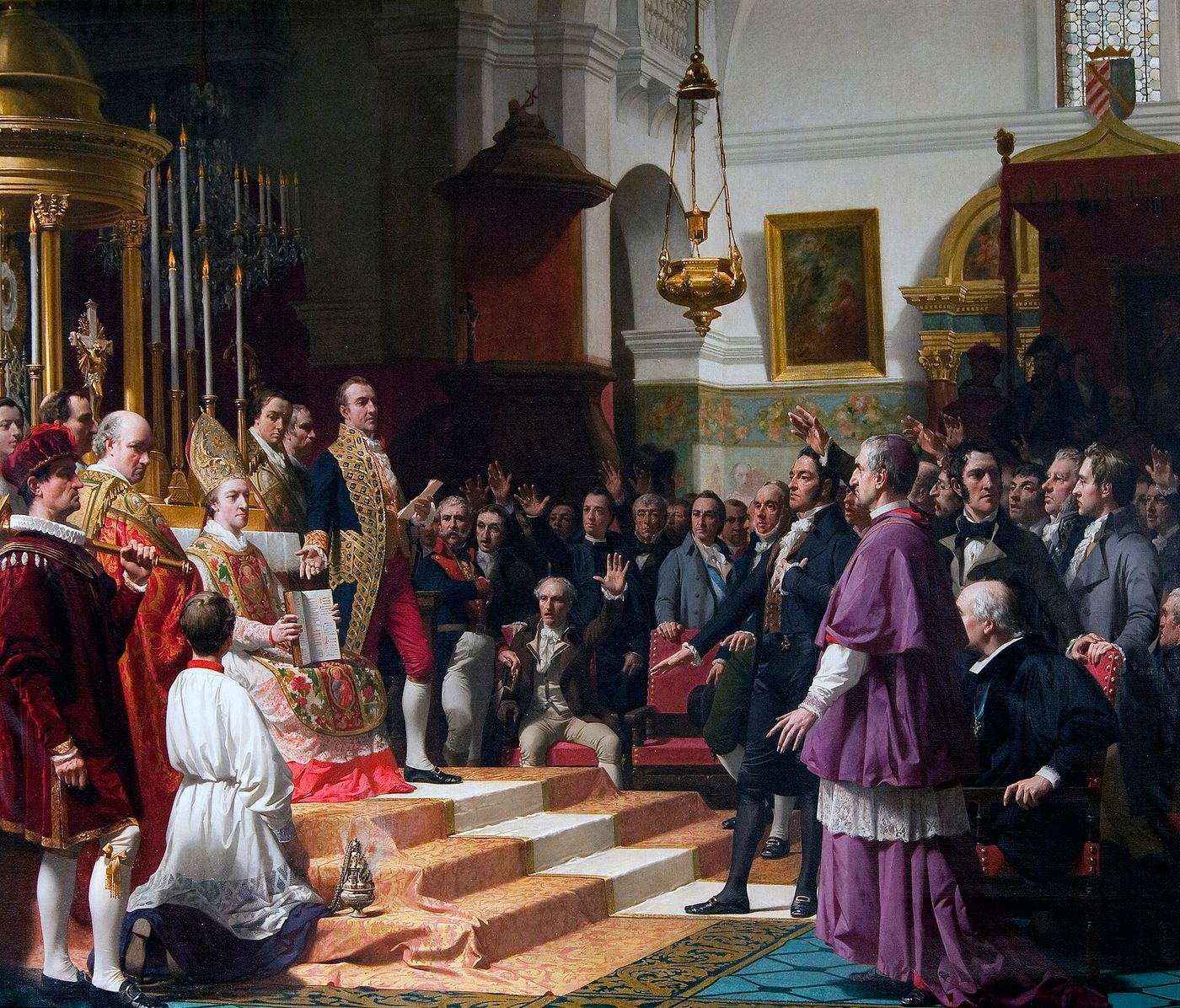
Painting of the deputies swearing their oath at the opening of the Cortes of Cádiz
The deputies swearing their oath at the opening of the Cortes on September 24, 1810, as imagined by José Casado del Alisal in a painting of 1863

The constitution was promulgated in March 1812 and reached Guatemala City on September 10 of that year. It was proclaimed there on September 24 and sworn on November 3. By then a new captain general governed the kingdom. José Bustamante y Guerra, a former naval officer and governor of Montevideo, had succeeded Antonio González Saravia in March 1811, and he ruled strictly. According to Bancroft, he postponed for three months the installation of the first provincial deputation, a body of locally chosen men that the constitution provided for, withheld the customary mass, and prevented the publication of its acts. He remained in office until March 1818.[7] The reforms that Cádiz promised thus arrived in the kingdom under an official who distrusted them.

Miguel Hidalgo had called his parishioners to arms at Dolores on September 16, 1810, only days before the Cortes assembled, and New Spain was soon in open insurrection. The Kingdom of Guatemala produced no comparable uprising in 1810. Its political class, for the moment, pursued a voice within the empire rather than a break from it, and the next test of that strategy came in San Salvador.

San Salvador Rises, and Rises Again

The uprising grew out of local quarrels at least as much as imperial ones. What the conspirators took that day was not symbolic. The muskets and the treasury money were the means to defend a government of their own, and removing Gutiérrez y Ulloa left them the administration of the intendancy. Bancroft names Delgado and Nicolás Aguilar among the leaders and also lists Manuel and Vicente Aguilar, Rodríguez, and Arce.[8]

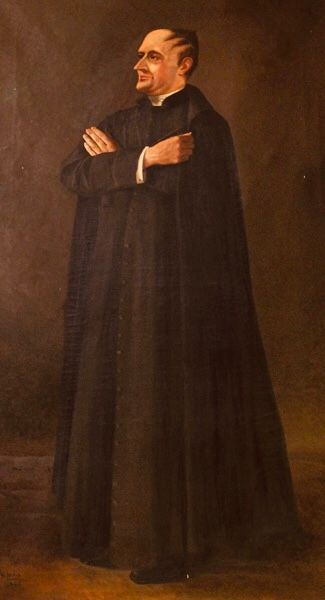
Portrait of José Matías Delgado
José Matías Delgado, a curate of San Salvador in 1811 and head of its government a decade later, in an undated painting

The movement did not carry the province with it. Four towns declared for San Salvador and four declared for Spain, and with the province split the captain general in Guatemala City chose conciliation over force. The amnesty his envoys carried ended the revolt twenty-eight days after it began, and Peinado stayed on as acting intendant.[8] The rebels had arms and money, but they had not won the province, and the amnesty gave them a way to stop.

A second attempt at revolution followed in San Salvador in 1814. Bancroft describes it as less effectively planned than the uprising of 1811. The authorities suppressed it, arrested its promoters, and imprisoned Manuel José Arce for several years. Marure's account is just as brief. A footnote about his own father, Mateo Antonio Marure, quotes an order from Bustamante dated January 12, 1814, accusing him of trying to rekindle the fire of insurrection in San Salvador.[9] Neither author says where the plotters met or how many were taken.

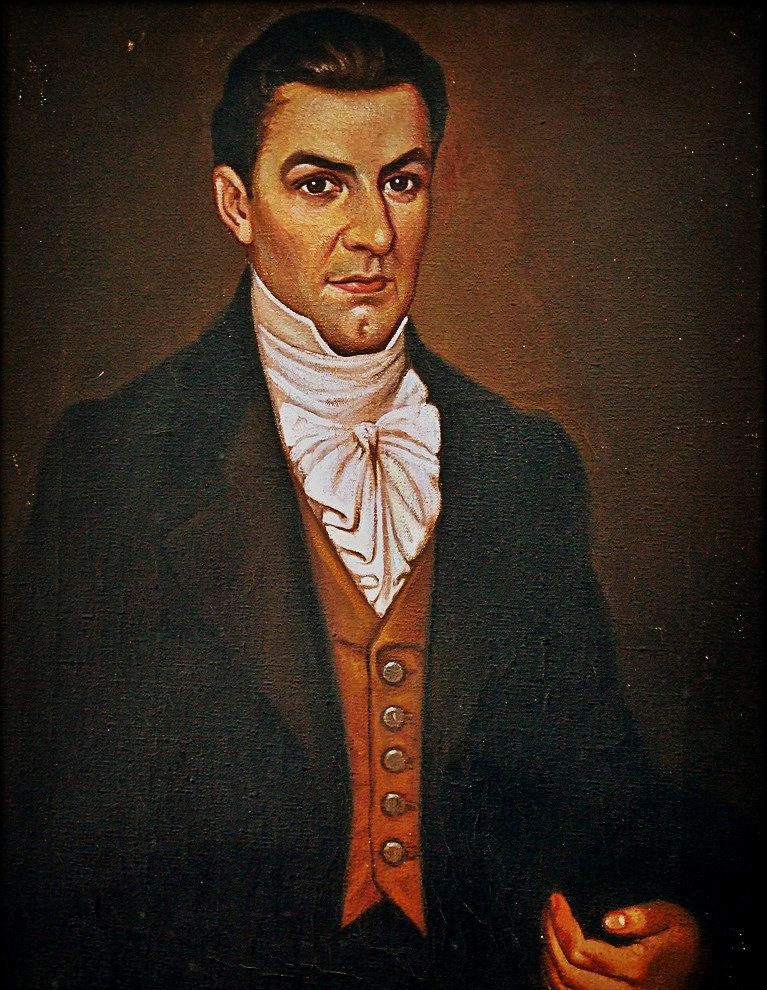
Portrait of Manuel José Arce y Fagoaga
Manuel José Arce y Fagoaga, imprisoned after the second conspiracy and commander of the Salvadoran forces in 1822, in a nineteenth century portrait

It would be a mistake to read these two revolts as an unfinished version of the independence that came in 1821. Their leaders were creoles of the Spanish monarchy, and their demands concerned San Salvador's standing relative to Guatemala City at least as much as the relationship between Spain and its American subjects. The historian Aaron Pollack has argued that the years 1811 to 1814 are better understood as the start of a broader period of political mobilization in Central America, driven by economic hardship, the weakening of central authority, and the new constitutional politics, and not as a rehearsal for a nation that did not yet exist.[10] What the uprisings did establish was a group of leaders, Delgado and Arce above all, and a willingness in San Salvador to answer disappointment with arms.

The Long Quiet

Ferdinand VII returned to his throne in 1814 and repaid the Cortes that had kept his cause alive by abolishing the constitution it had written. The king annulled the constitution and dissolved the Cortes by a decree of May 1814, and absolutist government resumed across the empire. In the Kingdom of Guatemala the political space that Cádiz had opened narrowed again.

Opposition had not waited for the restoration. In Guatemala City a group of creoles had begun to meet at the convent of Belén, and the conspiracy takes its name from that place. According to Marure, who wrote within a generation of the events, Fray Juan de la Concepción, the convent's sub-prior, presided over the meetings and Dr. Tomás Ruiz directed the plot; Bancroft gives the friar's name as Ramón and adds that the group met sometimes in the sub-prior's cell and sometimes at the house of Cayetano Bedoya, and that Ruiz was an Indian. Informers led to arrests, and the prosecutor, Antonio del Villar, opened the inquiry in December 1813. José Francisco Barrundia evaded capture and remained in hiding for six years. On September 18, 1814, Villar asked that Ruiz, Víctor Castrillo, Joaquín Yúdice, and Barrundia, who was tried in his absence, be garroted, and that the sub-prior and ten men of humbler rank be hanged. Others were to serve ten years at hard labor in the African possessions of the crown and then to live in permanent exile. Marure says that this severe request was never carried out, and a royal order dated July 28, 1817, led to the release of all the prisoners in 1819.[11]

What distinguished Central America from Mexico in these years was less the presence of dissent than its scale. New Spain remained in insurgency for most of a decade after Hidalgo's revolt, and the Kingdom of Guatemala after 1814 saw nothing of comparable size. Its political actors, chastened by the failures of 1811, 1813, and 1814, largely waited. For Arce this meant years in prison, and for the creole elite of Guatemala City it meant a return to the cautious balancing of local interest and royal authority that had defined the kingdom before 1808. The grievances of the earlier years were not resolved, only postponed. The waiting ended in 1820, and again the cause lay in Spain.

The Constitution Returns

In January 1820 a Spanish army officer, Rafael del Riego, led a military revolt against the king he served. The army he commanded had been assembled to sail against the rebellious colonies, and its mutiny helped ensure that no such expedition would depart. Ferdinand VII, under pressure, swore on March 9 to support the Constitution of 1812. News of the change reached Central America within weeks and revived the constitutional politics of a decade earlier. Following the restoration of constitutional government, a provincial deputation was installed in Guatemala City on July 13, 1820. Two parties formed in the capital, known by the nicknames bacos and cacos, and the first was led by José Cecilio del Valle. Pedro Molina published a newspaper, El Editor Constitucional.[12]

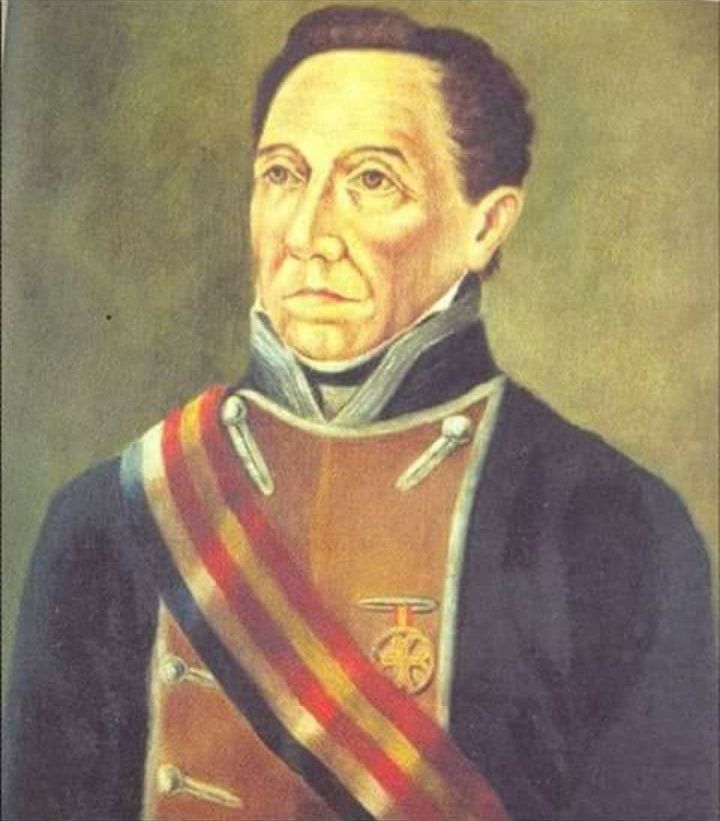
Portrait of Gabino Gaínza
Gabino Gaínza, who presided over the meeting that adopted the Act of Independence and then backed annexation to Mexico, in a portrait from about 1800

Meanwhile the captain general, Carlos Urrutia, was old and in poor health, and he could not control the growing movement for independence. The provincial deputation persuaded him to hand his powers to the sub-inspector of the army, Gabino Gaínza, a career military officer.[12] By then a second influence was reaching the kingdom, this one from Mexico. In February 1821 Agustín de Iturbide, a royalist officer who had joined the rebels, proclaimed the Plan of Iguala, which called for Mexican independence and for the protection of the Catholic Church and of the existing social order. It promised separation from Spain without the upheaval that had marked Hidalgo's rising, and it appealed to many conservatives. News of the plan spread quickly through Central America. On September 3, 1821, Chiapas, the northernmost province of the kingdom, separated from Spain and accepted the Plan of Iguala.[13]

September 15, 1821

By the middle of September the pressure on Gaínza to act had become difficult to resist. On September 15, a meeting at the government house in Guatemala City, with Gaínza presiding, adopted the Act of Independence. Marure reports that Valle argued the proclamation should wait until the provinces had been heard, while others, Delgado among them, voted for immediate independence. The act declared the Guatemalans a free and independent people and provided for a national congress to meet on March 1, 1822, with one representative for every fifteen thousand inhabitants. In a significant departure from the Cádiz Constitution, the act also specified that people of African origin were not to be excluded from citizenship when the representatives were chosen. A clause proposed by Valle allowed the last electoral college to choose the members of that congress, and the advocates of immediate independence objected to it. Two days later Gaínza issued a proclamation that treated any attempt to restore Spanish rule as treason punishable by death. He governed with a provisional consultative junta, which set his salary as captain general at ten thousand pesos a year.[14]

The Act of Independence was less decisive than the date suggests. It declared political separation from Spain, but it left the question of what government should replace Spanish rule to a congress that had not yet been elected, and it left the authority of the old officials largely intact. Independence thus ended one form of authority without creating another, and it did nothing to settle the old complaint of the provinces against Guatemala City. For San Salvador's leaders, who had long resented the capital's hold over the province, the continuity of authority in Guatemala City was not reassuring.

San Salvador made its own declaration. Its ayuntamiento, or town council, declared absolute independence on September 21, and the declaration was solemnly proclaimed on September 29. The acting political chief, Pedro Barrière, first ordered the election of a subordinate junta, then withdrew the order, called out troops to disperse the crowds that had gathered, and arrested the republican leaders Arce, Rodríguez, and Domingo Lara. Delgado came from Guatemala City as a peacemaker with broad powers, freed the prisoners, who joined his party, expelled Barrière from the province, disarmed the troops, and installed a subordinate junta. He remained at the head of the government.[15] In the same weeks Honduras and Nicaragua made declarations of their own, and the provinces did not all agree on the terms. León declared Nicaragua seceded from Guatemala on October 11, and Granada refused to concur; on October 21 the authorities at León accepted the Plan of Iguala, annexing the province to Mexico. Costa Rica seceded from Spain on October 27 and kept a neutral position, declining the plans of both Guatemala City and León.[16]

A Kingdom Comes Apart: a schematic map of where the Kingdom of Guatemala’s provinces and towns made their own declarations in the autumn of 1821.A schematic map of Central America between the Pacific Ocean and the Caribbean Sea, marking six numbered places where provinces and towns of the Kingdom of Guatemala acted in the autumn of 1821: Guatemala City, Chiapas, San Salvador, León, Granada and Cartago. Notes beside the map give what each did and on what date.AAAWgmp1bWIAAAAeanVtZGMycGEAEQAQgAAAqgA4m3EDYzJwYQAAABZcanVtYgAAAEdqdW1kYzJtYQARABCAAACqADibcQN1cm46YzJwYTpmYjI3NDU5ZC1jN2JiLTQzNzYtODY5ZS02MTZmMTg5NmNiZGMAAAADl2p1bWIAAAApanVtZGMyYXMAEQAQgAAAqgA4m3EDYzJwYS5hc3NlcnRpb25zAAAAALxqdW1iAAAARGp1bWRjYm9yABEAEIAAAKoAOJtxE2MycGEuaW5ncmVkaWVudC52MwAAAAAYYzJzaLp/PI9L+8Yhb8bRD00fG+UAAABwY2JvcqNpZGM6Zm9ybWF0bWltYWdlL3N2Zyt4bWxqaW5zdGFuY2VJRHgseG1wOmlpZDplZTBiN2FjZi02ODY2LTRjYjMtYjRhMC01Y2JlZTljZGUyNTlscmVsYXRpb25zaGlwaHBhcmVudE9mAAAB4mp1bWIAAABBanVtZGNib3IAEQAQgAAAqgA4m3ETYzJwYS5hY3Rpb25zLnYyAAAAABhjMnNowfyeFhBeln7KCmgEhrhbAgAAAZljYm9yomdhY3Rpb25zgqJmYWN0aW9ua2MycGEub3BlbmVkanBhcmFtZXRlcnOha2luZ3JlZGllbnRzgaJjdXJseC1zZWxmI2p1bWJmPWMycGEuYXNzZXJ0aW9ucy9jMnBhLmluZ3JlZGllbnQudjNkaGFzaFgg4llqtsdgo9v6J+2OvmcKauVmxpv2J6xMf8LjeNZzocGkZmFjdGlvbngdY29tLmFudGhyb3BpYy5jbGF1ZGUucHJvdmlkZWRqcGFyYW1ldGVyc6F4H2NvbS5hbnRocm9waWMub3JpZ2luLWNvbmZpZGVuY2VndW5rbm93bmtkZXNjcmlwdGlvbnhmQ2xhdWRlIHByb3ZpZGVkIHRoaXMgZmlsZSBhdCB0aGUgcmVxdWVzdCBvZiBhIHVzZXIgYW5kIG1heSBoYXZlIGNyZWF0ZWQgb3IgbW9kaWZpZWQgdGhlIGZpbGUgY29udGVudHMubXNvZnR3YXJlQWdlbnShZG5hbWVmQ2xhdWRlcmFsbEFjdGlvbnNJbmNsdWRlZPUAAADIanVtYgAAAEBqdW1kY2JvcgARABCAAACqADibcRNjMnBhLmhhc2guZGF0YQAAAAAYYzJzaMwTpUBTEvp3dKerRwR03Q0AAACAY2JvcqVjYWxnZnNoYTI1NmNwYWRNAAAAAAAAAAAAAAAAAGRoYXNoWCCsiqBXdaxq5WVtNZ5OJ4yEuH2mds7KqbIbhVF7MNYP3WRuYW1lbmp1bWJmIG1hbmlmZXN0amV4Y2x1c2lvbnOBomVzdGFydBiaZmxlbmd0aBkeBAAAAj5qdW1iAAAAJ2p1bWRjMmNsABEAEIAAAKoAOJtxA2MycGEuY2xhaW0udjIAAAACD2Nib3KlY2FsZ2ZzaGEyNTZpc2lnbmF0dXJleE1zZWxmI2p1bWJmPS9jMnBhL3VybjpjMnBhOmZiMjc0NTlkLWM3YmItNDM3Ni04NjllLTYxNmYxODk2Y2JkYy9jMnBhLnNpZ25hdHVyZWppbnN0YW5jZUlEeCx4bXA6aWlkOmI3NWExN2Y5LTk5NWYtNGZkZS05N2VlLWZlOTllYmViYmVkOXJjcmVhdGVkX2Fzc2VydGlvbnODomN1cmx4LXNlbGYjanVtYmY9YzJwYS5hc3NlcnRpb25zL2MycGEuaW5ncmVkaWVudC52M2RoYXNoWCDiWWq2x2Cj2/on7Y6+Zwpq5WbGm/YnrEx/wuN41nOhwaJjdXJseCpzZWxmI2p1bWJmPWMycGEuYXNzZXJ0aW9ucy9jMnBhLmFjdGlvbnMudjJkaGFzaFggrLLhHhv1ZFzCMxPZP0sf2JAtug+aSHtqhKZD+OGjtIiiY3VybHgpc2VsZiNqdW1iZj1jMnBhLmFzc2VydGlvbnMvYzJwYS5oYXNoLmRhdGFkaGFzaFgg2FKQA4zS7M/CltZuddyYn1H0SA4cx3JY+S+kuh+XPyt0Y2xhaW1fZ2VuZXJhdG9yX2luZm+jZG5hbWVvQW50aHJvcGljIEZpbGVzZ3ZlcnNpb25lMS4wLjBrc3BlY1ZlcnNpb25lMi40LjAAABA4anVtYgAAAChqdW1kYzJjcwARABCAAACqADibcQNjMnBhLnNpZ25hdHVyZQAAABAIY2JvctKEWQISogEmGCFZAgowggIGMIIBjaADAgECAhRA5aAK7sI50L64g/oGQgU9Z1UTADAKBggqhkjOPQQDAzBJMRcwFQYDVQQKEw5BbnRocm9waWMsIFBCQzEuMCwGA1UEAxMlQW50aHJvcGljIENvbnRlbnQgQ3JlZGVudGlhbHMgUm9vdCBDQTAeFw0yNjA4MDcxODQzNTZaFw0yODA4MDYxOTQzNTZaMEQxFzAVBgNVBAoTDkFudGhyb3BpYywgUEJDMSkwJwYDVQQDEyBBbnRocm9waWMgQ2xhdWRlIENvbnRlbnQgU2lnbmluZzBZMBMGByqGSM49AgEGCCqGSM49AwEHA0IABJh6CmvLUBgFFNU0vUKlOVtE6djd17L5SuwX0LemFisBM3dkd/3cyjxFA3Qo5S46fX0/ihY0VZ7mfb9KF703t5OjWDBWMA4GA1UdDwEB/wQEAwIHgDAVBgNVHSUEDjAMBgorBgEEAYPoXgIBMAwGA1UdEwEB/wQCMAAwHwYDVR0jBBgwFoAUzlHiBIFOZFsj+OPEz5o+nMHXXMIwCgYIKoZIzj0EAwMDZwAwZAIwMXMdFJ4BetLLVY7ORuE9noqbbAZOZn/aArXyTwFAZfKrPzxF2vPoJNf1+UCdg1XGAjBwX1zd9WGqYkqmL5SFqw1QySjr1zJfpJM9+1rdDwSPLMOPOjKuiXjoU/pUUeG9RwmhY3BhZFkNngAAAAAAAAAAAAAAAAAAAAAAAAAAAAAAAAAAAAAAAAAAAAAAAAAAAAAAAAAAAAAAAAAAAAAAAAAAAAAAAAAAAAAAAAAAAAAAAAAAAAAAAAAAAAAAAAAAAAAAAAAAAAAAAAAAAAAAAAAAAAAAAAAAAAAAAAAAAAAAAAAAAAAAAAAAAAAAAAAAAAAAAAAAAAAAAAAAAAAAAAAAAAAAAAAAAAAAAAAAAAAAAAAAAAAAAAAAAAAAAAAAAAAAAAAAAAAAAAAAAAAAAAAAAAAAAAAAAAAAAAAAAAAAAAAAAAAAAAAAAAAAAAAAAAAAAAAAAAAAAAAAAAAAAAAAAAAAAAAAAAAAAAAAAAAAAAAAAAAAAAAAAAAAAAAAAAAAAAAAAAAAAAAAAAAAAAAAAAAAAAAAAAAAAAAAAAAAAAAAAAAAAAAAAAAAAAAAAAAAAAAAAAAAAAAAAAAAAAAAAAAAAAAAAAAAAAAAAAAAAAAAAAAAAAAAAAAAAAAAAAAAAAAAAAAAAAAAAAAAAAAAAAAAAAAAAAAAAAAAAAAAAAAAAAAAAAAAAAAAAAAAAAAAAAAAAAAAAAAAAAAAAAAAAAAAAAAAAAAAAAAAAAAAAAAAAAAAAAAAAAAAAAAAAAAAAAAAAAAAAAAAAAAAAAAAAAAAAAAAAAAAAAAAAAAAAAAAAAAAAAAAAAAAAAAAAAAAAAAAAAAAAAAAAAAAAAAAAAAAAAAAAAAAAAAAAAAAAAAAAAAAAAAAAAAAAAAAAAAAAAAAAAAAAAAAAAAAAAAAAAAAAAAAAAAAAAAAAAAAAAAAAAAAAAAAAAAAAAAAAAAAAAAAAAAAAAAAAAAAAAAAAAAAAAAAAAAAAAAAAAAAAAAAAAAAAAAAAAAAAAAAAAAAAAAAAAAAAAAAAAAAAAAAAAAAAAAAAAAAAAAAAAAAAAAAAAAAAAAAAAAAAAAAAAAAAAAAAAAAAAAAAAAAAAAAAAAAAAAAAAAAAAAAAAAAAAAAAAAAAAAAAAAAAAAAAAAAAAAAAAAAAAAAAAAAAAAAAAAAAAAAAAAAAAAAAAAAAAAAAAAAAAAAAAAAAAAAAAAAAAAAAAAAAAAAAAAAAAAAAAAAAAAAAAAAAAAAAAAAAAAAAAAAAAAAAAAAAAAAAAAAAAAAAAAAAAAAAAAAAAAAAAAAAAAAAAAAAAAAAAAAAAAAAAAAAAAAAAAAAAAAAAAAAAAAAAAAAAAAAAAAAAAAAAAAAAAAAAAAAAAAAAAAAAAAAAAAAAAAAAAAAAAAAAAAAAAAAAAAAAAAAAAAAAAAAAAAAAAAAAAAAAAAAAAAAAAAAAAAAAAAAAAAAAAAAAAAAAAAAAAAAAAAAAAAAAAAAAAAAAAAAAAAAAAAAAAAAAAAAAAAAAAAAAAAAAAAAAAAAAAAAAAAAAAAAAAAAAAAAAAAAAAAAAAAAAAAAAAAAAAAAAAAAAAAAAAAAAAAAAAAAAAAAAAAAAAAAAAAAAAAAAAAAAAAAAAAAAAAAAAAAAAAAAAAAAAAAAAAAAAAAAAAAAAAAAAAAAAAAAAAAAAAAAAAAAAAAAAAAAAAAAAAAAAAAAAAAAAAAAAAAAAAAAAAAAAAAAAAAAAAAAAAAAAAAAAAAAAAAAAAAAAAAAAAAAAAAAAAAAAAAAAAAAAAAAAAAAAAAAAAAAAAAAAAAAAAAAAAAAAAAAAAAAAAAAAAAAAAAAAAAAAAAAAAAAAAAAAAAAAAAAAAAAAAAAAAAAAAAAAAAAAAAAAAAAAAAAAAAAAAAAAAAAAAAAAAAAAAAAAAAAAAAAAAAAAAAAAAAAAAAAAAAAAAAAAAAAAAAAAAAAAAAAAAAAAAAAAAAAAAAAAAAAAAAAAAAAAAAAAAAAAAAAAAAAAAAAAAAAAAAAAAAAAAAAAAAAAAAAAAAAAAAAAAAAAAAAAAAAAAAAAAAAAAAAAAAAAAAAAAAAAAAAAAAAAAAAAAAAAAAAAAAAAAAAAAAAAAAAAAAAAAAAAAAAAAAAAAAAAAAAAAAAAAAAAAAAAAAAAAAAAAAAAAAAAAAAAAAAAAAAAAAAAAAAAAAAAAAAAAAAAAAAAAAAAAAAAAAAAAAAAAAAAAAAAAAAAAAAAAAAAAAAAAAAAAAAAAAAAAAAAAAAAAAAAAAAAAAAAAAAAAAAAAAAAAAAAAAAAAAAAAAAAAAAAAAAAAAAAAAAAAAAAAAAAAAAAAAAAAAAAAAAAAAAAAAAAAAAAAAAAAAAAAAAAAAAAAAAAAAAAAAAAAAAAAAAAAAAAAAAAAAAAAAAAAAAAAAAAAAAAAAAAAAAAAAAAAAAAAAAAAAAAAAAAAAAAAAAAAAAAAAAAAAAAAAAAAAAAAAAAAAAAAAAAAAAAAAAAAAAAAAAAAAAAAAAAAAAAAAAAAAAAAAAAAAAAAAAAAAAAAAAAAAAAAAAAAAAAAAAAAAAAAAAAAAAAAAAAAAAAAAAAAAAAAAAAAAAAAAAAAAAAAAAAAAAAAAAAAAAAAAAAAAAAAAAAAAAAAAAAAAAAAAAAAAAAAAAAAAAAAAAAAAAAAAAAAAAAAAAAAAAAAAAAAAAAAAAAAAAAAAAAAAAAAAAAAAAAAAAAAAAAAAAAAAAAAAAAAAAAAAAAAAAAAAAAAAAAAAAAAAAAAAAAAAAAAAAAAAAAAAAAAAAAAAAAAAAAAAAAAAAAAAAAAAAAAAAAAAAAAAAAAAAAAAAAAAAAAAAAAAAAAAAAAAAAAAAAAAAAAAAAAAAAAAAAAAAAAAAAAAAAAAAAAAAAAAAAAAAAAAAAAAAAAAAAAAAAAAAAAAAAAAAAAAAAAAAAAAAAAAAAAAAAAAAAAAAAAAAAAAAAAAAAAAAAAAAAAAAAAAAAAAAAAAAAAAAAAAAAAAAAAAAAAAAAAAAAAAAAAAAAAAAAAAAAAAAAAAAAAAAAAAAAAAAAAAAAAAAAAAAAAAAAAAAAAAAAAAAAAAAAAAAAAAAAAAAAAAAAAAAAAAAAAAAAAAAAAAAAAAAAAAAAAAAAAAAAAAAAAAAAAAAAAAAAAAAAAAAAAAAAAAAAAAAAAAAAAAAAAAAAAAAAAAAAAAAAAAAAAAAAAAAAAAAAAAAAAAAAAAAAAAAAAAAAAAAAAAAAAAAAAAAAAAAAAAAAAAAAAAAAAAAAAAAAAAAAAAAAAAAAAAAAAAAAAAAAAAAAAAAAAAAAAAAAAAAAAAAAAAAAAAAAAAAAAAAAAAAAAAAAAAAAAAAAAAAAAAAAAAAAAAAAAAAAAAAAAAAAAAAAAAAAAAAAAAAAAAAAAAAAAAAAAAAAAAAAAAAAAAAAAAAAAAAAAAAAAAAAAAAAAAAAAAAAAAAAAAAAAAAAAAAAAAAAAAAAAAAAAAAAAAAAAAAAAAAAAAAAAAAAAAAAAAAAAAAAAAAAAAAAAAAAAAAAAAAAAAAAAAAAAAAAAAAAAAAAAAAAAAAAAAAAAAAAAAAAAAAAAAAAAAAAAAAAAAAAAAAAAAAAAAAAAAAAAAAAAAAAAAAAAAAAAAAAAAAAAAAAAAAAAAAAAAAAAAAAAAAAAAAAAAAAAAAAAAAAAAAAAAAAAAAAAAAAAAAAAAAAAAAAAAAAAAAAAAAAAAAAAAAAAAAAAAAAAAAAAAAAAAAAAAAAAAAAAAAAAAAAAAAAAAAAAAAAAAAAAAAAAAAAAAAAAAAAAAAAAAAAAAAAAAAAAAAAAAAAAAAAAAAAAAAAAAAAAAAAAAAAAAAAAAAAAAAAAAAAAAAAAAAAAAAAAAAAAAAAAAAAAAAAAAAAAAAAAAAAAAAAAAAAAAAAAAAAAAAAAAAAAAAAAAAAAAAAAAAAAAAAAAAAAAAAAAAAAAAAAAAAAAAAAAAAAAAAAAAAAAAAAAAAAAAAAAAAAAAAAAAAAAAAAAAAAAAAAAAAAAAAAAAAAAAAAAAAAAAAAAAAAAAAAAAAAAAAAAAAAAAAAAAAAAAAAAAAAAAAAAAAAAAAAAAAAAAAAAAAAAAAAAAAAAAAAAAAAAAAAAAAAAAAAAAAAAAAAAAAAAAAAAAAAAAAAAAAAAAAAAAAAAAAAAAAAAAAAAAAAAAAAAAAAAAAAAAAAAAAAAAAAAAAAAAAAAAAAAAAAAAAAAAAAAAAAAAAAAAAAAAAAAAAAAAAAAAAAAAAAAAAAAAAAAAAAAAAAAAAAAAAAAAAAAAAAAAAAAAAAAAAAAAAAAAAAAAAAAAAAAAAAAAAAAAAAAAAAAAAAAAAAAAAAAAAAAAAAAAAAAAAAAAAAAAAAAAAAAAAAAAAAAAAAAAAAAAAAAAAAAAAAAAAAAAAAAAAAAAAAAAAAAAAAAAAAAAAAAAAAAAAAAAAAAAAAAAAAAAAAAAAAAAAAAAAAAAAAAAAAAAAAAAAAAAAAAAAAAAAAAAAAAAAAAAAAAAAAAAAAAAAAAAAAAAAAAAAAAAAAAAAAAAAAAAAAAAAAAAAAAAAAAAAAAAAAAAAAAAAAAAAAAAAAAAAAAAAAAAAAAAAAAAAAAAAAAAAAAAAAAAAAAAAAAAAAAAAAAAAAAAAAAAAAAAAAAAAAAAAAAAAAAAAAAAAAAAAAAAAAAAAAAAAAAAAAAAAAAAAAAAAAAAAAAAAAAAAAAAAAAAAAAAAAAAAAAAAAAAAAAAAAAAAAAAAAAAAAAAAAAAAAAAAAAAAAAAAAAAAAAAAAAPZYQC02tFLIBZcLJ857rr2NvlOa+Luzi7Bx3RDIfgoeuV4gdyZ0GS7CGOVQqXCLkSb/zONXYLOXFkKPBYZXnwL5C4s=THE KINGDOM OF GUATEMALA · AUTUMN 1821A Kingdom Comes ApartWhere the provinces and towns of the Kingdom of Guatemala made their own declarations, inthe autumn of 1821. PACIFIC OCEAN CARIBBEAN SEA MEXICO 1 Guatemala City 2 Chiapas 3 San Salvador 4 León 5 Granada 6 Cartago Schematic map: coastline simplified, provincial borders omitted. 2 September 3, 1821 Chiapas separates from Spain and accepts the Plan of Iguala. 1 September 15, 1821 Guatemala City adopts the Act of Independence. 3 September 21 and 29, 1821 San Salvador’s ayuntamiento declares absolute independence; it is proclaimed on the 29th. 4 October 11, 1821 León declares Nicaragua seceded from Guatemala; on October 21 it accepts the Plan of Iguala. 5 October 1821 Granada refuses to concur with León’s declaration. 6 October 27, 1821 Costa Rica secedes from Spain and keeps a neutral position, declining both plans. Sources: Hubert Howe Bancroft, History of Central America, vol. 3 (1887), pp. 33–35, 39, 45, 47–49. City positions are approximate.

Union with Mexico

Iturbide did not wait for Central America to settle its own affairs. On November 28, 1821, a letter from Iturbide, forwarded through Gaínza, argued that Guatemala was not yet ready to enter the family of nations and should link its fate to that of Mexico. On a suggestion from the marqués de Aycinena, the junta ordered the ayuntamientos of the former kingdom to give their views within a month. The replies were counted on December 31. Twenty-one ayuntamientos held that only the general congress could decide, 104 favored annexation outright, eleven favored it on conditions, thirty-two left the matter to the provisional government, and two rejected it. Sixty-seven ayuntamientos had not been heard from, so the 104 that asked for annexation outright were fewer than half of the 237 that had been consulted. A recent study by the historian Sajid Alfredo Herrera Mena reaches the same tally.[17] José Cecilio del Valle moved to postpone the decision until those returns arrived, but Gaínza backed annexation, and on January 5, 1822, the junta decreed the annexation of all Central America to Mexico, conditioned only on the Plan of Iguala and the treaties of Córdoba. Four days later Gaínza issued an edict that forbade criticism of the annexation under penalties for sedition.[18]

Portrait of Agustín de Iturbide as emperor
Agustín de Iturbide as emperor. His letter of November 28, 1821 argued that the Kingdom of Guatemala should link its fate to Mexico’s

The consultation had not produced consensus. Marure, who lived through these events and later compiled a chronology of them, records under January 5 that the junta in Guatemala City declared that most of the kingdom's towns favored union with the Mexican Empire, and that San Salvador and Granada rejected the result and resolved to defend absolute independence by arms.[19] The Salvadoran towns seceded from the new arrangement, and the province prepared to fight Santa Ana and San Miguel, which had joined Mexico. Delgado, as acting political chief, and the ayuntamientos protested. The command of the Salvadoran forces went to Arce, who was ordered to bring the people of Santa Ana to reason by peaceful means or by force. Elsewhere the Mexican Empire moved to secure its new territory. A division under Brigadier Vicente Filísola had begun to march from Mexico in November 1821, and many of its men deserted along the way. Filísola reached Guatemala with only about six hundred. The provisional junta in Guatemala City dissolved itself on February 21, 1822, and Gaínza kept his posts and created a provincial deputation.[20]

The Vote That Was Not a Mandate: how 170 ayuntamientos answered Iturbide’s proposal of union with Mexico, counted on December 31, 1821.A bar chart of the 170 replies counted in Guatemala City on December 31, 1821: 104 for annexation to Mexico outright, 11 for annexation with conditions, 32 leaving the decision to the junta, 21 holding that only a general congress could decide, and 2 against. A note records that 67 of the 237 ayuntamientos consulted had not replied.AAAWgmp1bWIAAAAeanVtZGMycGEAEQAQgAAAqgA4m3EDYzJwYQAAABZcanVtYgAAAEdqdW1kYzJtYQARABCAAACqADibcQN1cm46YzJwYTo4MGM4MjEzZS0yYTZkLTQ4NDUtYWJlMS1iNjk2NzY1MWUxYTIAAAADl2p1bWIAAAApanVtZGMyYXMAEQAQgAAAqgA4m3EDYzJwYS5hc3NlcnRpb25zAAAAALxqdW1iAAAARGp1bWRjYm9yABEAEIAAAKoAOJtxE2MycGEuaW5ncmVkaWVudC52MwAAAAAYYzJzaEQhAn1c68yUWv4kjCkP/eAAAABwY2JvcqNpZGM6Zm9ybWF0bWltYWdlL3N2Zyt4bWxqaW5zdGFuY2VJRHgseG1wOmlpZDphOTI5NzE3ZC0zYmVkLTRkN2YtYmFhZi1jNmQzNDRjYmIzZjNscmVsYXRpb25zaGlwaHBhcmVudE9mAAAB4mp1bWIAAABBanVtZGNib3IAEQAQgAAAqgA4m3ETYzJwYS5hY3Rpb25zLnYyAAAAABhjMnNoTu+LpC+O1kndxSIhCkpxYwAAAZljYm9yomdhY3Rpb25zgqJmYWN0aW9ua2MycGEub3BlbmVkanBhcmFtZXRlcnOha2luZ3JlZGllbnRzgaJjdXJseC1zZWxmI2p1bWJmPWMycGEuYXNzZXJ0aW9ucy9jMnBhLmluZ3JlZGllbnQudjNkaGFzaFgg8r1xd9nlbMVN5/KhxAhsnUnRp1j1bWCeGmmsU81E87CkZmFjdGlvbngdY29tLmFudGhyb3BpYy5jbGF1ZGUucHJvdmlkZWRqcGFyYW1ldGVyc6F4H2NvbS5hbnRocm9waWMub3JpZ2luLWNvbmZpZGVuY2VndW5rbm93bmtkZXNjcmlwdGlvbnhmQ2xhdWRlIHByb3ZpZGVkIHRoaXMgZmlsZSBhdCB0aGUgcmVxdWVzdCBvZiBhIHVzZXIgYW5kIG1heSBoYXZlIGNyZWF0ZWQgb3IgbW9kaWZpZWQgdGhlIGZpbGUgY29udGVudHMubXNvZnR3YXJlQWdlbnShZG5hbWVmQ2xhdWRlcmFsbEFjdGlvbnNJbmNsdWRlZPUAAADIanVtYgAAAEBqdW1kY2JvcgARABCAAACqADibcRNjMnBhLmhhc2guZGF0YQAAAAAYYzJzaKycWG3uCOYspbUlhuWS51UAAACAY2JvcqVjYWxnZnNoYTI1NmNwYWRNAAAAAAAAAAAAAAAAAGRoYXNoWCCtDrSE1jtGlTXvX4h18oAzzwGPzqKJEEDWDgL42oYeBmRuYW1lbmp1bWJmIG1hbmlmZXN0amV4Y2x1c2lvbnOBomVzdGFydBiaZmxlbmd0aBkeBAAAAj5qdW1iAAAAJ2p1bWRjMmNsABEAEIAAAKoAOJtxA2MycGEuY2xhaW0udjIAAAACD2Nib3KlY2FsZ2ZzaGEyNTZpc2lnbmF0dXJleE1zZWxmI2p1bWJmPS9jMnBhL3VybjpjMnBhOjgwYzgyMTNlLTJhNmQtNDg0NS1hYmUxLWI2OTY3NjUxZTFhMi9jMnBhLnNpZ25hdHVyZWppbnN0YW5jZUlEeCx4bXA6aWlkOmZmMmRlZjFhLWQ5NGUtNGFhOC1iMGVmLTJkNzg0MGVmZDg4ZXJjcmVhdGVkX2Fzc2VydGlvbnODomN1cmx4LXNlbGYjanVtYmY9YzJwYS5hc3NlcnRpb25zL2MycGEuaW5ncmVkaWVudC52M2RoYXNoWCDyvXF32eVsxU3n8qHECGydSdGnWPVtYJ4aaaxTzUTzsKJjdXJseCpzZWxmI2p1bWJmPWMycGEuYXNzZXJ0aW9ucy9jMnBhLmFjdGlvbnMudjJkaGFzaFggFwSgwIoVKuOT2182GTRmvcmqw8r2MaiwKBm3UrYFzmKiY3VybHgpc2VsZiNqdW1iZj1jMnBhLmFzc2VydGlvbnMvYzJwYS5oYXNoLmRhdGFkaGFzaFgg1hg4saTjXt0rjS8Q7QrJ5YmM1AD0KViDyOE/4rMKc6B0Y2xhaW1fZ2VuZXJhdG9yX2luZm+jZG5hbWVvQW50aHJvcGljIEZpbGVzZ3ZlcnNpb25lMS4wLjBrc3BlY1ZlcnNpb25lMi40LjAAABA4anVtYgAAAChqdW1kYzJjcwARABCAAACqADibcQNjMnBhLnNpZ25hdHVyZQAAABAIY2JvctKEWQISogEmGCFZAgowggIGMIIBjaADAgECAhRA5aAK7sI50L64g/oGQgU9Z1UTADAKBggqhkjOPQQDAzBJMRcwFQYDVQQKEw5BbnRocm9waWMsIFBCQzEuMCwGA1UEAxMlQW50aHJvcGljIENvbnRlbnQgQ3JlZGVudGlhbHMgUm9vdCBDQTAeFw0yNjA4MDcxODQzNTZaFw0yODA4MDYxOTQzNTZaMEQxFzAVBgNVBAoTDkFudGhyb3BpYywgUEJDMSkwJwYDVQQDEyBBbnRocm9waWMgQ2xhdWRlIENvbnRlbnQgU2lnbmluZzBZMBMGByqGSM49AgEGCCqGSM49AwEHA0IABJh6CmvLUBgFFNU0vUKlOVtE6djd17L5SuwX0LemFisBM3dkd/3cyjxFA3Qo5S46fX0/ihY0VZ7mfb9KF703t5OjWDBWMA4GA1UdDwEB/wQEAwIHgDAVBgNVHSUEDjAMBgorBgEEAYPoXgIBMAwGA1UdEwEB/wQCMAAwHwYDVR0jBBgwFoAUzlHiBIFOZFsj+OPEz5o+nMHXXMIwCgYIKoZIzj0EAwMDZwAwZAIwMXMdFJ4BetLLVY7ORuE9noqbbAZOZn/aArXyTwFAZfKrPzxF2vPoJNf1+UCdg1XGAjBwX1zd9WGqYkqmL5SFqw1QySjr1zJfpJM9+1rdDwSPLMOPOjKuiXjoU/pUUeG9RwmhY3BhZFkNngAAAAAAAAAAAAAAAAAAAAAAAAAAAAAAAAAAAAAAAAAAAAAAAAAAAAAAAAAAAAAAAAAAAAAAAAAAAAAAAAAAAAAAAAAAAAAAAAAAAAAAAAAAAAAAAAAAAAAAAAAAAAAAAAAAAAAAAAAAAAAAAAAAAAAAAAAAAAAAAAAAAAAAAAAAAAAAAAAAAAAAAAAAAAAAAAAAAAAAAAAAAAAAAAAAAAAAAAAAAAAAAAAAAAAAAAAAAAAAAAAAAAAAAAAAAAAAAAAAAAAAAAAAAAAAAAAAAAAAAAAAAAAAAAAAAAAAAAAAAAAAAAAAAAAAAAAAAAAAAAAAAAAAAAAAAAAAAAAAAAAAAAAAAAAAAAAAAAAAAAAAAAAAAAAAAAAAAAAAAAAAAAAAAAAAAAAAAAAAAAAAAAAAAAAAAAAAAAAAAAAAAAAAAAAAAAAAAAAAAAAAAAAAAAAAAAAAAAAAAAAAAAAAAAAAAAAAAAAAAAAAAAAAAAAAAAAAAAAAAAAAAAAAAAAAAAAAAAAAAAAAAAAAAAAAAAAAAAAAAAAAAAAAAAAAAAAAAAAAAAAAAAAAAAAAAAAAAAAAAAAAAAAAAAAAAAAAAAAAAAAAAAAAAAAAAAAAAAAAAAAAAAAAAAAAAAAAAAAAAAAAAAAAAAAAAAAAAAAAAAAAAAAAAAAAAAAAAAAAAAAAAAAAAAAAAAAAAAAAAAAAAAAAAAAAAAAAAAAAAAAAAAAAAAAAAAAAAAAAAAAAAAAAAAAAAAAAAAAAAAAAAAAAAAAAAAAAAAAAAAAAAAAAAAAAAAAAAAAAAAAAAAAAAAAAAAAAAAAAAAAAAAAAAAAAAAAAAAAAAAAAAAAAAAAAAAAAAAAAAAAAAAAAAAAAAAAAAAAAAAAAAAAAAAAAAAAAAAAAAAAAAAAAAAAAAAAAAAAAAAAAAAAAAAAAAAAAAAAAAAAAAAAAAAAAAAAAAAAAAAAAAAAAAAAAAAAAAAAAAAAAAAAAAAAAAAAAAAAAAAAAAAAAAAAAAAAAAAAAAAAAAAAAAAAAAAAAAAAAAAAAAAAAAAAAAAAAAAAAAAAAAAAAAAAAAAAAAAAAAAAAAAAAAAAAAAAAAAAAAAAAAAAAAAAAAAAAAAAAAAAAAAAAAAAAAAAAAAAAAAAAAAAAAAAAAAAAAAAAAAAAAAAAAAAAAAAAAAAAAAAAAAAAAAAAAAAAAAAAAAAAAAAAAAAAAAAAAAAAAAAAAAAAAAAAAAAAAAAAAAAAAAAAAAAAAAAAAAAAAAAAAAAAAAAAAAAAAAAAAAAAAAAAAAAAAAAAAAAAAAAAAAAAAAAAAAAAAAAAAAAAAAAAAAAAAAAAAAAAAAAAAAAAAAAAAAAAAAAAAAAAAAAAAAAAAAAAAAAAAAAAAAAAAAAAAAAAAAAAAAAAAAAAAAAAAAAAAAAAAAAAAAAAAAAAAAAAAAAAAAAAAAAAAAAAAAAAAAAAAAAAAAAAAAAAAAAAAAAAAAAAAAAAAAAAAAAAAAAAAAAAAAAAAAAAAAAAAAAAAAAAAAAAAAAAAAAAAAAAAAAAAAAAAAAAAAAAAAAAAAAAAAAAAAAAAAAAAAAAAAAAAAAAAAAAAAAAAAAAAAAAAAAAAAAAAAAAAAAAAAAAAAAAAAAAAAAAAAAAAAAAAAAAAAAAAAAAAAAAAAAAAAAAAAAAAAAAAAAAAAAAAAAAAAAAAAAAAAAAAAAAAAAAAAAAAAAAAAAAAAAAAAAAAAAAAAAAAAAAAAAAAAAAAAAAAAAAAAAAAAAAAAAAAAAAAAAAAAAAAAAAAAAAAAAAAAAAAAAAAAAAAAAAAAAAAAAAAAAAAAAAAAAAAAAAAAAAAAAAAAAAAAAAAAAAAAAAAAAAAAAAAAAAAAAAAAAAAAAAAAAAAAAAAAAAAAAAAAAAAAAAAAAAAAAAAAAAAAAAAAAAAAAAAAAAAAAAAAAAAAAAAAAAAAAAAAAAAAAAAAAAAAAAAAAAAAAAAAAAAAAAAAAAAAAAAAAAAAAAAAAAAAAAAAAAAAAAAAAAAAAAAAAAAAAAAAAAAAAAAAAAAAAAAAAAAAAAAAAAAAAAAAAAAAAAAAAAAAAAAAAAAAAAAAAAAAAAAAAAAAAAAAAAAAAAAAAAAAAAAAAAAAAAAAAAAAAAAAAAAAAAAAAAAAAAAAAAAAAAAAAAAAAAAAAAAAAAAAAAAAAAAAAAAAAAAAAAAAAAAAAAAAAAAAAAAAAAAAAAAAAAAAAAAAAAAAAAAAAAAAAAAAAAAAAAAAAAAAAAAAAAAAAAAAAAAAAAAAAAAAAAAAAAAAAAAAAAAAAAAAAAAAAAAAAAAAAAAAAAAAAAAAAAAAAAAAAAAAAAAAAAAAAAAAAAAAAAAAAAAAAAAAAAAAAAAAAAAAAAAAAAAAAAAAAAAAAAAAAAAAAAAAAAAAAAAAAAAAAAAAAAAAAAAAAAAAAAAAAAAAAAAAAAAAAAAAAAAAAAAAAAAAAAAAAAAAAAAAAAAAAAAAAAAAAAAAAAAAAAAAAAAAAAAAAAAAAAAAAAAAAAAAAAAAAAAAAAAAAAAAAAAAAAAAAAAAAAAAAAAAAAAAAAAAAAAAAAAAAAAAAAAAAAAAAAAAAAAAAAAAAAAAAAAAAAAAAAAAAAAAAAAAAAAAAAAAAAAAAAAAAAAAAAAAAAAAAAAAAAAAAAAAAAAAAAAAAAAAAAAAAAAAAAAAAAAAAAAAAAAAAAAAAAAAAAAAAAAAAAAAAAAAAAAAAAAAAAAAAAAAAAAAAAAAAAAAAAAAAAAAAAAAAAAAAAAAAAAAAAAAAAAAAAAAAAAAAAAAAAAAAAAAAAAAAAAAAAAAAAAAAAAAAAAAAAAAAAAAAAAAAAAAAAAAAAAAAAAAAAAAAAAAAAAAAAAAAAAAAAAAAAAAAAAAAAAAAAAAAAAAAAAAAAAAAAAAAAAAAAAAAAAAAAAAAAAAAAAAAAAAAAAAAAAAAAAAAAAAAAAAAAAAAAAAAAAAAAAAAAAAAAAAAAAAAAAAAAAAAAAAAAAAAAAAAAAAAAAAAAAAAAAAAAAAAAAAAAAAAAAAAAAAAAAAAAAAAAAAAAAAAAAAAAAAAAAAAAAAAAAAAAAAAAAAAAAAAAAAAAAAAAAAAAAAAAAAAAAAAAAAAAAAAAAAAAAAAAAAAAAAAAAAAAAAAAAAAAAAAAAAAAAAAAAAAAAAAAAAAAAAAAAAAAAAAAAAAAAAAAAAAAAAAAAAAAAAAAAAAAAAAAAAAAAAAAAAAAAAAAAAAAAAAAAAAAAAAAAAAAAAAAAAAAAAAAAAAAAAAAAAAAAAAAAAAAAAAAAAAAAAAAAAAAAAAAAAAAAAAAAAAAAAAAAAAAAAAAAAAAAAAAAAAAAAAAAAAAAAAAAAAAAAAAAAAAAAAAAAAAAAAAAAAAAAAAAAAAAAAAAAAAAAAAAAAAAAAAAAAAAAAAAAAAAAAAAAAAAAAAAAAAAAAAAAAAAAAAAAAAAAAAAAAAAAAAAAAAAAAAAAAAAAAAAAAAAAAAAAAAAAAAAAAAAAAAAAAAAAAAAAAAAAAAAAAAAAAAAAAAAAAAAAAAAAAAAAAAAAAAAAAAAAAAAAAAAAAAAAAAAAAAAAAAAAAAAAAAAAAAAAAAAAAAAAAAAAAAAAAAAAAAAAAAAAAAAAAAAAAAAAAAAAAAAAAAAAAAAAAAAAAAAAAAAAAAAAAAAAAAAAAAAAAAAAAAAAAAAAAAAAAAAAAAAAAAAAAAAAAAAAAAAAAAAAAAAAAAAAAAAAAAAAAAAAAAAAAAAAAAAAAAAAAAAAAAAAAAAAAAAAAAAAAAAAAAAAAAAAAAAAAAAAAAAAAAAAAAAAAAAAAAAAAAAAAAAAAAAAAAAAAAAAAAAAAAAAAAAAAAAAAAAAAAAAAAAAAAAAAAAAAAAAAAAAAAAAAAAAAAAAAAAAAAAAAAAAAAAAAAAAAAAAAAAAAAAAAAAAAAAAAAAAAAAAAAAAAAAAAAAAAAAAAAAAAAAAAAAAAAAAAAAAAAAAAAAAAAAAAAAAAAAAAAAAAAAAAAAAAAAAAAAAAAAAAAAAAAAAAAAAAAAAAAAAAAAAAAAAAAAAAAAAAAAAAAAAAAAAAAAAAAAAAAAAAAAAAAAAAAAAAAAAAAAAAAAAAAAAAAAAAAAAAAAAAAAAAAAAAAAAAAAAAAAAAAAAAAAAAAAAAAAAAAAAAAAAAAAAAAAAAAAAAAAAAAAAAAAAAAAAAAAAAAAAAAAAAAAAAAAAAAAAAAAAAAAAAAAAAAAAAAAAAAAAAAAAAAAAAAAAAAAAAAAAAAAAAAAAAAAAAAAAAAAAAAAAAAAAAAAAAAAAAAAAAAAAAAAAAAAAAAAAAAAAAAAAAAAAAAAAAAAAAAAAAAAAAAAAAAAAAAAAAAAAAAAAAAAAAAAAAAAAAAAAAAAAAAAAAAAAAAAAAAAAAAAAAAAAAAAAAAAAAAAAAAAAAAAAAAAAAAAAAAAAAAAAAAAAAAAAAAAAAAAAAAAAAAAAAAAAAAAAAAAAAAAAAAAAAAAAAAAAAAAAAAAAAAAAAAAAAAAAAAAAAAAAAAAAAAAAAAAAAAAAAAAAAAAAAAAAAAAAAAAAAAAAAAAAAAAAAAAAAAAAAAAAAAAAAAAAAAAAAAAAAAAAAAAAAAAAAAAAAAAAAAAAAAAAAAAAAAAAAAAPZYQH9YTPSmFX7esF0TayGM2yx6OQg24/2Al6sIB7s0koiII1B1OG9SVqVEDmOT+IRRQFbuKuaNv0Pr2xDlsYpEoXE=THE ANNEXATION COUNT · DECEMBER 1821The Vote That Was Not a MandateHow 170 ayuntamientos answered Iturbide’s proposal of union with Mexico, counted onDecember 31, 1821. After Iturbide’s letter of November 28, 1821, the junta in Guatemala City asked the town councils of the former kingdom for their views within a month. The returns were counted on December 31, 1821. All 170 replies For annexation outright 104 For annexation, with conditions 11 Left the decision to the junta 32 Said only a general congress could decide 21 Against annexation 2 What the count did and did not show On January 5, 1822, the junta decreed annexation of all Central America to Mexico, after this count. Sixty-seven ayuntamientos had not replied, so the 104 asking for annexation outright were fewer than half of the 237 consulted. The promised general congress had not yet met. Sources: Hubert Howe Bancroft, History of Central America, vol. 3 (1887), pp. 52–55; Sajid Alfredo Herrera Mena, LiminaR 17, no. 1 (2019). The total of 170 is the sum of the five categories.

San Salvador's resistance grew more organized in the spring. On March 30, 1822, Marure notes, the junta of San Salvador resolved to erect the province as a diocese of its own and named Delgado, a priest, as its first bishop. The step was a bold one. San Salvador's church affairs had been directed from Guatemala City, and the junta was now claiming for its own province an authority that the capital had always held. It was a provincial claim and not a canonical appointment, since a bishop required the sanction of the Church's own authorities, and Marure's entry does not suggest that it was given. He adds that the Salvadoran congress confirmed the nomination in 1824 and that the federal congress declared it void in July 1825.[21]

Open war followed. Arce's advance into territory that Guatemala had occupied gave the capital, in Bancroft's words, a sufficient pretext to declare war on its "high-spirited and troublesome neighbor." Colonel Manuel Arzú was dispatched on March 19, 1822, at the head of a force that within a few days numbered about a thousand men. He then lost more than two months waiting for reinforcements and artillery and hesitating over the protests of the Salvadorans, who used the time to fortify their city, though they were short of arms to equip a sufficient garrison. Pressed at last by Gaínza's positive commands, Arzú marched on, avoided the fortifications, and entered San Salvador on June 3, taking its defenders by surprise. Bancroft says he might have made himself master of the place had he not carelessly allowed his troops to disband for plunder. The Salvadorans rallied, a street fight followed, and Arzú's force was driven from the city with the loss of its arms.[22] Marure's entry for the same day, which describes the attack by what he calls the Imperial Column, agrees that the column penetrated the plaza and was then repulsed after a long and poorly directed exchange of fire, its men retreating in complete dispersal.[23] The two accounts agree that the imperial column was defeated, though they differ in the details of the fighting. Late in the year the province set up a congress of its own. It was installed on November 19, 1822, to decide whether San Salvador should remain independent or join the Mexican Empire.[24]

Six Steps to Defeat: Bancroft’s account of Colonel Arzú’s campaign against San Salvador, from his dispatch in March 1822 to his rout on June 3.Six numbered steps setting out Bancroft’s account of Colonel Arzú’s campaign of 1822, from his dispatch on March 19 with about a thousand men, through more than two months lost waiting for reinforcements and artillery, to his entry into San Salvador on June 3 and the rout of his column from the city.AAAWgmp1bWIAAAAeanVtZGMycGEAEQAQgAAAqgA4m3EDYzJwYQAAABZcanVtYgAAAEdqdW1kYzJtYQARABCAAACqADibcQN1cm46YzJwYTpjNjdlODg4NC0xNWY0LTQzY2ItODhjMi0wN2E4ZGNmZGI0MzQAAAADl2p1bWIAAAApanVtZGMyYXMAEQAQgAAAqgA4m3EDYzJwYS5hc3NlcnRpb25zAAAAALxqdW1iAAAARGp1bWRjYm9yABEAEIAAAKoAOJtxE2MycGEuaW5ncmVkaWVudC52MwAAAAAYYzJzaLFCQ6/zmroDe6sNn92fXhsAAABwY2JvcqNpZGM6Zm9ybWF0bWltYWdlL3N2Zyt4bWxqaW5zdGFuY2VJRHgseG1wOmlpZDo4ZDQxOTE4Zi00ZmYzLTQ2NWEtOTRlZC02ZDAwZDhhNjk5OGJscmVsYXRpb25zaGlwaHBhcmVudE9mAAAB4mp1bWIAAABBanVtZGNib3IAEQAQgAAAqgA4m3ETYzJwYS5hY3Rpb25zLnYyAAAAABhjMnNopUbzVze1y7UdZePTog0cAgAAAZljYm9yomdhY3Rpb25zgqJmYWN0aW9ua2MycGEub3BlbmVkanBhcmFtZXRlcnOha2luZ3JlZGllbnRzgaJjdXJseC1zZWxmI2p1bWJmPWMycGEuYXNzZXJ0aW9ucy9jMnBhLmluZ3JlZGllbnQudjNkaGFzaFgg5+/2JWBzMaTHZGtMDhn2XVgoDZuZM+GuCvH7K6SeZxKkZmFjdGlvbngdY29tLmFudGhyb3BpYy5jbGF1ZGUucHJvdmlkZWRqcGFyYW1ldGVyc6F4H2NvbS5hbnRocm9waWMub3JpZ2luLWNvbmZpZGVuY2VndW5rbm93bmtkZXNjcmlwdGlvbnhmQ2xhdWRlIHByb3ZpZGVkIHRoaXMgZmlsZSBhdCB0aGUgcmVxdWVzdCBvZiBhIHVzZXIgYW5kIG1heSBoYXZlIGNyZWF0ZWQgb3IgbW9kaWZpZWQgdGhlIGZpbGUgY29udGVudHMubXNvZnR3YXJlQWdlbnShZG5hbWVmQ2xhdWRlcmFsbEFjdGlvbnNJbmNsdWRlZPUAAADIanVtYgAAAEBqdW1kY2JvcgARABCAAACqADibcRNjMnBhLmhhc2guZGF0YQAAAAAYYzJzaGJaXYfY7hF9aizK4Ja1My0AAACAY2JvcqVjYWxnZnNoYTI1NmNwYWRNAAAAAAAAAAAAAAAAAGRoYXNoWCD7mfCld9Fo8gV99ef+D9mpQfXbStSbgIrJPFzGBtmdSWRuYW1lbmp1bWJmIG1hbmlmZXN0amV4Y2x1c2lvbnOBomVzdGFydBiaZmxlbmd0aBkeBAAAAj5qdW1iAAAAJ2p1bWRjMmNsABEAEIAAAKoAOJtxA2MycGEuY2xhaW0udjIAAAACD2Nib3KlY2FsZ2ZzaGEyNTZpc2lnbmF0dXJleE1zZWxmI2p1bWJmPS9jMnBhL3VybjpjMnBhOmM2N2U4ODg0LTE1ZjQtNDNjYi04OGMyLTA3YThkY2ZkYjQzNC9jMnBhLnNpZ25hdHVyZWppbnN0YW5jZUlEeCx4bXA6aWlkOmU2MTYwNjFmLWY5OTYtNDA2MS05NTljLWYxNWM2ZTBkNTg2Y3JjcmVhdGVkX2Fzc2VydGlvbnODomN1cmx4LXNlbGYjanVtYmY9YzJwYS5hc3NlcnRpb25zL2MycGEuaW5ncmVkaWVudC52M2RoYXNoWCDn7/YlYHMxpMdka0wOGfZdWCgNm5kz4a4K8fsrpJ5nEqJjdXJseCpzZWxmI2p1bWJmPWMycGEuYXNzZXJ0aW9ucy9jMnBhLmFjdGlvbnMudjJkaGFzaFggdo/+OdbhebQL7oxVadA03f6IaQUW2OBSGMKHhpdDQjqiY3VybHgpc2VsZiNqdW1iZj1jMnBhLmFzc2VydGlvbnMvYzJwYS5oYXNoLmRhdGFkaGFzaFggpv3cBmIHt5BCFDZMlaVdRe4n2vtoY7LeEWcMyQK6DuV0Y2xhaW1fZ2VuZXJhdG9yX2luZm+jZG5hbWVvQW50aHJvcGljIEZpbGVzZ3ZlcnNpb25lMS4wLjBrc3BlY1ZlcnNpb25lMi40LjAAABA4anVtYgAAAChqdW1kYzJjcwARABCAAACqADibcQNjMnBhLnNpZ25hdHVyZQAAABAIY2JvctKEWQISogEmGCFZAgowggIGMIIBjaADAgECAhRA5aAK7sI50L64g/oGQgU9Z1UTADAKBggqhkjOPQQDAzBJMRcwFQYDVQQKEw5BbnRocm9waWMsIFBCQzEuMCwGA1UEAxMlQW50aHJvcGljIENvbnRlbnQgQ3JlZGVudGlhbHMgUm9vdCBDQTAeFw0yNjA4MDcxODQzNTZaFw0yODA4MDYxOTQzNTZaMEQxFzAVBgNVBAoTDkFudGhyb3BpYywgUEJDMSkwJwYDVQQDEyBBbnRocm9waWMgQ2xhdWRlIENvbnRlbnQgU2lnbmluZzBZMBMGByqGSM49AgEGCCqGSM49AwEHA0IABJh6CmvLUBgFFNU0vUKlOVtE6djd17L5SuwX0LemFisBM3dkd/3cyjxFA3Qo5S46fX0/ihY0VZ7mfb9KF703t5OjWDBWMA4GA1UdDwEB/wQEAwIHgDAVBgNVHSUEDjAMBgorBgEEAYPoXgIBMAwGA1UdEwEB/wQCMAAwHwYDVR0jBBgwFoAUzlHiBIFOZFsj+OPEz5o+nMHXXMIwCgYIKoZIzj0EAwMDZwAwZAIwMXMdFJ4BetLLVY7ORuE9noqbbAZOZn/aArXyTwFAZfKrPzxF2vPoJNf1+UCdg1XGAjBwX1zd9WGqYkqmL5SFqw1QySjr1zJfpJM9+1rdDwSPLMOPOjKuiXjoU/pUUeG9RwmhY3BhZFkNngAAAAAAAAAAAAAAAAAAAAAAAAAAAAAAAAAAAAAAAAAAAAAAAAAAAAAAAAAAAAAAAAAAAAAAAAAAAAAAAAAAAAAAAAAAAAAAAAAAAAAAAAAAAAAAAAAAAAAAAAAAAAAAAAAAAAAAAAAAAAAAAAAAAAAAAAAAAAAAAAAAAAAAAAAAAAAAAAAAAAAAAAAAAAAAAAAAAAAAAAAAAAAAAAAAAAAAAAAAAAAAAAAAAAAAAAAAAAAAAAAAAAAAAAAAAAAAAAAAAAAAAAAAAAAAAAAAAAAAAAAAAAAAAAAAAAAAAAAAAAAAAAAAAAAAAAAAAAAAAAAAAAAAAAAAAAAAAAAAAAAAAAAAAAAAAAAAAAAAAAAAAAAAAAAAAAAAAAAAAAAAAAAAAAAAAAAAAAAAAAAAAAAAAAAAAAAAAAAAAAAAAAAAAAAAAAAAAAAAAAAAAAAAAAAAAAAAAAAAAAAAAAAAAAAAAAAAAAAAAAAAAAAAAAAAAAAAAAAAAAAAAAAAAAAAAAAAAAAAAAAAAAAAAAAAAAAAAAAAAAAAAAAAAAAAAAAAAAAAAAAAAAAAAAAAAAAAAAAAAAAAAAAAAAAAAAAAAAAAAAAAAAAAAAAAAAAAAAAAAAAAAAAAAAAAAAAAAAAAAAAAAAAAAAAAAAAAAAAAAAAAAAAAAAAAAAAAAAAAAAAAAAAAAAAAAAAAAAAAAAAAAAAAAAAAAAAAAAAAAAAAAAAAAAAAAAAAAAAAAAAAAAAAAAAAAAAAAAAAAAAAAAAAAAAAAAAAAAAAAAAAAAAAAAAAAAAAAAAAAAAAAAAAAAAAAAAAAAAAAAAAAAAAAAAAAAAAAAAAAAAAAAAAAAAAAAAAAAAAAAAAAAAAAAAAAAAAAAAAAAAAAAAAAAAAAAAAAAAAAAAAAAAAAAAAAAAAAAAAAAAAAAAAAAAAAAAAAAAAAAAAAAAAAAAAAAAAAAAAAAAAAAAAAAAAAAAAAAAAAAAAAAAAAAAAAAAAAAAAAAAAAAAAAAAAAAAAAAAAAAAAAAAAAAAAAAAAAAAAAAAAAAAAAAAAAAAAAAAAAAAAAAAAAAAAAAAAAAAAAAAAAAAAAAAAAAAAAAAAAAAAAAAAAAAAAAAAAAAAAAAAAAAAAAAAAAAAAAAAAAAAAAAAAAAAAAAAAAAAAAAAAAAAAAAAAAAAAAAAAAAAAAAAAAAAAAAAAAAAAAAAAAAAAAAAAAAAAAAAAAAAAAAAAAAAAAAAAAAAAAAAAAAAAAAAAAAAAAAAAAAAAAAAAAAAAAAAAAAAAAAAAAAAAAAAAAAAAAAAAAAAAAAAAAAAAAAAAAAAAAAAAAAAAAAAAAAAAAAAAAAAAAAAAAAAAAAAAAAAAAAAAAAAAAAAAAAAAAAAAAAAAAAAAAAAAAAAAAAAAAAAAAAAAAAAAAAAAAAAAAAAAAAAAAAAAAAAAAAAAAAAAAAAAAAAAAAAAAAAAAAAAAAAAAAAAAAAAAAAAAAAAAAAAAAAAAAAAAAAAAAAAAAAAAAAAAAAAAAAAAAAAAAAAAAAAAAAAAAAAAAAAAAAAAAAAAAAAAAAAAAAAAAAAAAAAAAAAAAAAAAAAAAAAAAAAAAAAAAAAAAAAAAAAAAAAAAAAAAAAAAAAAAAAAAAAAAAAAAAAAAAAAAAAAAAAAAAAAAAAAAAAAAAAAAAAAAAAAAAAAAAAAAAAAAAAAAAAAAAAAAAAAAAAAAAAAAAAAAAAAAAAAAAAAAAAAAAAAAAAAAAAAAAAAAAAAAAAAAAAAAAAAAAAAAAAAAAAAAAAAAAAAAAAAAAAAAAAAAAAAAAAAAAAAAAAAAAAAAAAAAAAAAAAAAAAAAAAAAAAAAAAAAAAAAAAAAAAAAAAAAAAAAAAAAAAAAAAAAAAAAAAAAAAAAAAAAAAAAAAAAAAAAAAAAAAAAAAAAAAAAAAAAAAAAAAAAAAAAAAAAAAAAAAAAAAAAAAAAAAAAAAAAAAAAAAAAAAAAAAAAAAAAAAAAAAAAAAAAAAAAAAAAAAAAAAAAAAAAAAAAAAAAAAAAAAAAAAAAAAAAAAAAAAAAAAAAAAAAAAAAAAAAAAAAAAAAAAAAAAAAAAAAAAAAAAAAAAAAAAAAAAAAAAAAAAAAAAAAAAAAAAAAAAAAAAAAAAAAAAAAAAAAAAAAAAAAAAAAAAAAAAAAAAAAAAAAAAAAAAAAAAAAAAAAAAAAAAAAAAAAAAAAAAAAAAAAAAAAAAAAAAAAAAAAAAAAAAAAAAAAAAAAAAAAAAAAAAAAAAAAAAAAAAAAAAAAAAAAAAAAAAAAAAAAAAAAAAAAAAAAAAAAAAAAAAAAAAAAAAAAAAAAAAAAAAAAAAAAAAAAAAAAAAAAAAAAAAAAAAAAAAAAAAAAAAAAAAAAAAAAAAAAAAAAAAAAAAAAAAAAAAAAAAAAAAAAAAAAAAAAAAAAAAAAAAAAAAAAAAAAAAAAAAAAAAAAAAAAAAAAAAAAAAAAAAAAAAAAAAAAAAAAAAAAAAAAAAAAAAAAAAAAAAAAAAAAAAAAAAAAAAAAAAAAAAAAAAAAAAAAAAAAAAAAAAAAAAAAAAAAAAAAAAAAAAAAAAAAAAAAAAAAAAAAAAAAAAAAAAAAAAAAAAAAAAAAAAAAAAAAAAAAAAAAAAAAAAAAAAAAAAAAAAAAAAAAAAAAAAAAAAAAAAAAAAAAAAAAAAAAAAAAAAAAAAAAAAAAAAAAAAAAAAAAAAAAAAAAAAAAAAAAAAAAAAAAAAAAAAAAAAAAAAAAAAAAAAAAAAAAAAAAAAAAAAAAAAAAAAAAAAAAAAAAAAAAAAAAAAAAAAAAAAAAAAAAAAAAAAAAAAAAAAAAAAAAAAAAAAAAAAAAAAAAAAAAAAAAAAAAAAAAAAAAAAAAAAAAAAAAAAAAAAAAAAAAAAAAAAAAAAAAAAAAAAAAAAAAAAAAAAAAAAAAAAAAAAAAAAAAAAAAAAAAAAAAAAAAAAAAAAAAAAAAAAAAAAAAAAAAAAAAAAAAAAAAAAAAAAAAAAAAAAAAAAAAAAAAAAAAAAAAAAAAAAAAAAAAAAAAAAAAAAAAAAAAAAAAAAAAAAAAAAAAAAAAAAAAAAAAAAAAAAAAAAAAAAAAAAAAAAAAAAAAAAAAAAAAAAAAAAAAAAAAAAAAAAAAAAAAAAAAAAAAAAAAAAAAAAAAAAAAAAAAAAAAAAAAAAAAAAAAAAAAAAAAAAAAAAAAAAAAAAAAAAAAAAAAAAAAAAAAAAAAAAAAAAAAAAAAAAAAAAAAAAAAAAAAAAAAAAAAAAAAAAAAAAAAAAAAAAAAAAAAAAAAAAAAAAAAAAAAAAAAAAAAAAAAAAAAAAAAAAAAAAAAAAAAAAAAAAAAAAAAAAAAAAAAAAAAAAAAAAAAAAAAAAAAAAAAAAAAAAAAAAAAAAAAAAAAAAAAAAAAAAAAAAAAAAAAAAAAAAAAAAAAAAAAAAAAAAAAAAAAAAAAAAAAAAAAAAAAAAAAAAAAAAAAAAAAAAAAAAAAAAAAAAAAAAAAAAAAAAAAAAAAAAAAAAAAAAAAAAAAAAAAAAAAAAAAAAAAAAAAAAAAAAAAAAAAAAAAAAAAAAAAAAAAAAAAAAAAAAAAAAAAAAAAAAAAAAAAAAAAAAAAAAAAAAAAAAAAAAAAAAAAAAAAAAAAAAAAAAAAAAAAAAAAAAAAAAAAAAAAAAAAAAAAAAAAAAAAAAAAAAAAAAAAAAAAAAAAAAAAAAAAAAAAAAAAAAAAAAAAAAAAAAAAAAAAAAAAAAAAAAAAAAAAAAAAAAAAAAAAAAAAAAAAAAAAAAAAAAAAAAAAAAAAAAAAAAAAAAAAAAAAAAAAAAAAAAAAAAAAAAAAAAAAAAAAAAAAAAAAAAAAAAAAAAAAAAAAAAAAAAAAAAAAAAAAAAAAAAAAAAAAAAAAAAAAAAAAAAAAAAAAAAAAAAAAAAAAAAAAAAAAAAAAAAAAAAAAAAAAAAAAAAAAAAAAAAAAAAAAAAAAAAAAAAAAAAAAAAAAAAAAAAAAAAAAAAAAAAAAAAAAAAAAAAAAAAAAAAAAAAAAAAAAAAAAAAAAAAAAAAAAAAAAAAAAAAAAAAAAAAAAAAAAAAAAAAAAAAAAAAAAAAAAAAAAAAAAAAAAAAAAAAAAAAAAAAAAAAAAAAAAAAAAAAAAAAAAAAAAAAAAAAAAAAAAAAAAAAAAAAAAAAAAAAAAAAAAAAAAAAAAAAAAAAAAAAAAAAAAAAAAAAAAAAAAAAAAAAAAAAAAAAAAAAAAAAAAAAAAAAAAAAAAAAAAAAAAAAAAAAAAAAAAAAAAAAAAAAAAAAAAAAAAAAAAAAAAAAAAAAAAAAAAAAAAAAAAAAAAAAAAAAAAAAAAAAAAAAAAAAAAAAAAAAAAAAAAAAAAAAAAAAAAAAAAAAAAAAAAAAAAAAAAAAAAAAAAAAAAAAAAAAAAAAAAAAAAAAAAAAAAAAAAAAAAAAAAAAAAAAAAAAAAAAAAAAAAAAAAAAAAAAAAAAAAAAAAAAAAAAAAAAAAAAAAAAAAAAAAAAAAAAAAAAAAAAAAAAAAAAAAAAAAAAAAAAAAAAAAAAAAAAAAAAAAAAAAAAAAAAAAAAAAAAAAAAAAAAAAAAAAAAAAAAAAAAAAAAAAAAAAAAAAAAAAAAAAAAAAAAAAAAAAAAAAAAAAAAPZYQM8LDYiNAdG5wYqRdVyXSZt+nNDyjQzlZ7VitCFjz3dt8mypp7zYgnN+QuLHS2djqRcNSBaFfgbob+lrzhFMqOI=THE CAMPAIGN AGAINST SAN SALVADOR · 1822Six Steps to DefeatBancroft’s account of Colonel Arzú’s campaign, from his dispatch in March 1822 to hisrout on June 3. 1 March 19, 1822 Colonel Manuel Arzú is dispatched with a force that soon numbers about a thousand men. 2 Two months and more He loses more than two months waiting for reinforcements and artillery and hesitating over the Salvadorans’ protests. They use the time to fortify their city, though short of arms. 3 Before June 3 Gaínza’s positive commands press him forward. Arzú avoids the fortifications. 4 June 3, 1822 He enters San Salvador and takes the defenders by surprise. 5 The turning point Bancroft says Arzú might have made himself master of the place had he not carelessly allowed his troops to disband for plunder. 6 The result The Salvadorans rally and a street fight follows. Arzú’s force is driven from the city with the loss of its arms. Marure’s shorter version The Efemérides records the same day more briefly. Arzú, at the head of what Marure calls the Imperial Column, attacked the plaza of San Salvador and penetrated it. After a long and poorly directed exchange of fire, the column was repulsed and its men retreated in complete dispersal. Sources: Hubert Howe Bancroft, History of Central America, vol. 3 (1887), chap. 4, opening section; Alejandro Marure, Efemérides (1895), entry for June 3, 1822.

On December 2, 1822, that provincial congress took a remarkable step. According to Marure, it declared the province united to the United States.[24] The declaration was a unilateral political act and not an accomplished annexation. The decision showed how far the leaders of San Salvador were prepared to go to avoid being governed from Guatemala City or Mexico City. It came from a province that had an army in the field against it and few friends in the region, and no help from Washington followed.

A Question Left Open

The year 1822 ended without a settlement. Imperial pressure on San Salvador continued, the imperial government in Mexico City was losing the confidence of its own officers, and the congress promised by the Act of Independence had still not met to decide how the region would be governed. Each party could claim a legitimate grievance, and none had the means to impose a lasting solution. Spanish authority was gone, but the question of who had the right to decide a province's fate remained as open as it had been in November 1811, when Delgado, Arce, and their friends took San Salvador's muskets and treasury in the name of an absent king. The Mexican Empire would collapse in the spring of 1823, and on July 1 of that year the provinces of Central America would declare themselves free and independent. Those events, and the campaign that Filísola led against San Salvador in the early months of 1823, belong to the next chapter.

One Province, Four Moves: what San Salvador did in 1822, from resolving to resist annexation in January to declaring union with the United States in December.Four panels around a center marked San Salvador, each giving one of the province’s moves in 1822 and the body it was aimed at: resolving to resist annexation by the Mexican Empire on January 5, naming its own bishop on March 30, driving Arzú’s column out of the city on June 3, and declaring union with the United States on December 2.AAAWgmp1bWIAAAAeanVtZGMycGEAEQAQgAAAqgA4m3EDYzJwYQAAABZcanVtYgAAAEdqdW1kYzJtYQARABCAAACqADibcQN1cm46YzJwYTo4OTBkYjIyOC0yMzJkLTRkYWMtODgzMy1kZDc3NGFmMDM4MWYAAAADl2p1bWIAAAApanVtZGMyYXMAEQAQgAAAqgA4m3EDYzJwYS5hc3NlcnRpb25zAAAAALxqdW1iAAAARGp1bWRjYm9yABEAEIAAAKoAOJtxE2MycGEuaW5ncmVkaWVudC52MwAAAAAYYzJzaKR1xaBOe+y0Fq/hP6CXeRkAAABwY2JvcqNpZGM6Zm9ybWF0bWltYWdlL3N2Zyt4bWxqaW5zdGFuY2VJRHgseG1wOmlpZDo0ZGNlOTMyYi0wYWY1LTQwZjYtODU1OC0wNmUxMjViYWE0MWVscmVsYXRpb25zaGlwaHBhcmVudE9mAAAB4mp1bWIAAABBanVtZGNib3IAEQAQgAAAqgA4m3ETYzJwYS5hY3Rpb25zLnYyAAAAABhjMnNolPF05uc0k0fKDHSlRRg8vwAAAZljYm9yomdhY3Rpb25zgqJmYWN0aW9ua2MycGEub3BlbmVkanBhcmFtZXRlcnOha2luZ3JlZGllbnRzgaJjdXJseC1zZWxmI2p1bWJmPWMycGEuYXNzZXJ0aW9ucy9jMnBhLmluZ3JlZGllbnQudjNkaGFzaFgg82QoL1xptwxyp4BqJDWlAVcxlI89CKFPVjH8/ObOgYCkZmFjdGlvbngdY29tLmFudGhyb3BpYy5jbGF1ZGUucHJvdmlkZWRqcGFyYW1ldGVyc6F4H2NvbS5hbnRocm9waWMub3JpZ2luLWNvbmZpZGVuY2VndW5rbm93bmtkZXNjcmlwdGlvbnhmQ2xhdWRlIHByb3ZpZGVkIHRoaXMgZmlsZSBhdCB0aGUgcmVxdWVzdCBvZiBhIHVzZXIgYW5kIG1heSBoYXZlIGNyZWF0ZWQgb3IgbW9kaWZpZWQgdGhlIGZpbGUgY29udGVudHMubXNvZnR3YXJlQWdlbnShZG5hbWVmQ2xhdWRlcmFsbEFjdGlvbnNJbmNsdWRlZPUAAADIanVtYgAAAEBqdW1kY2JvcgARABCAAACqADibcRNjMnBhLmhhc2guZGF0YQAAAAAYYzJzaEI3tmPpMERG08SirNcGygsAAACAY2JvcqVjYWxnZnNoYTI1NmNwYWRNAAAAAAAAAAAAAAAAAGRoYXNoWCD4f44M1/cto7uUT51f1UTqEBQQ0P4/YI7+H+3ACmInrWRuYW1lbmp1bWJmIG1hbmlmZXN0amV4Y2x1c2lvbnOBomVzdGFydBiaZmxlbmd0aBkeBAAAAj5qdW1iAAAAJ2p1bWRjMmNsABEAEIAAAKoAOJtxA2MycGEuY2xhaW0udjIAAAACD2Nib3KlY2FsZ2ZzaGEyNTZpc2lnbmF0dXJleE1zZWxmI2p1bWJmPS9jMnBhL3VybjpjMnBhOjg5MGRiMjI4LTIzMmQtNGRhYy04ODMzLWRkNzc0YWYwMzgxZi9jMnBhLnNpZ25hdHVyZWppbnN0YW5jZUlEeCx4bXA6aWlkOjc1YTI0MTA3LTM0ZGMtNDRlMC04MDJkLWIxNjRiMmJjZjFiNHJjcmVhdGVkX2Fzc2VydGlvbnODomN1cmx4LXNlbGYjanVtYmY9YzJwYS5hc3NlcnRpb25zL2MycGEuaW5ncmVkaWVudC52M2RoYXNoWCDzZCgvXGm3DHKngGokNaUBVzGUjz0IoU9WMfz85s6BgKJjdXJseCpzZWxmI2p1bWJmPWMycGEuYXNzZXJ0aW9ucy9jMnBhLmFjdGlvbnMudjJkaGFzaFgg/nagqiZ5vQl/2Z9XK8n8VGMpvVf3yUz9Ad3qxd6GH/SiY3VybHgpc2VsZiNqdW1iZj1jMnBhLmFzc2VydGlvbnMvYzJwYS5oYXNoLmRhdGFkaGFzaFggavYlLIZXoEb0GYRehfhEqs0ZnXpb3yEy/wMVQhsx4zB0Y2xhaW1fZ2VuZXJhdG9yX2luZm+jZG5hbWVvQW50aHJvcGljIEZpbGVzZ3ZlcnNpb25lMS4wLjBrc3BlY1ZlcnNpb25lMi40LjAAABA4anVtYgAAAChqdW1kYzJjcwARABCAAACqADibcQNjMnBhLnNpZ25hdHVyZQAAABAIY2JvctKEWQISogEmGCFZAgowggIGMIIBjaADAgECAhRA5aAK7sI50L64g/oGQgU9Z1UTADAKBggqhkjOPQQDAzBJMRcwFQYDVQQKEw5BbnRocm9waWMsIFBCQzEuMCwGA1UEAxMlQW50aHJvcGljIENvbnRlbnQgQ3JlZGVudGlhbHMgUm9vdCBDQTAeFw0yNjA4MDcxODQzNTZaFw0yODA4MDYxOTQzNTZaMEQxFzAVBgNVBAoTDkFudGhyb3BpYywgUEJDMSkwJwYDVQQDEyBBbnRocm9waWMgQ2xhdWRlIENvbnRlbnQgU2lnbmluZzBZMBMGByqGSM49AgEGCCqGSM49AwEHA0IABJh6CmvLUBgFFNU0vUKlOVtE6djd17L5SuwX0LemFisBM3dkd/3cyjxFA3Qo5S46fX0/ihY0VZ7mfb9KF703t5OjWDBWMA4GA1UdDwEB/wQEAwIHgDAVBgNVHSUEDjAMBgorBgEEAYPoXgIBMAwGA1UdEwEB/wQCMAAwHwYDVR0jBBgwFoAUzlHiBIFOZFsj+OPEz5o+nMHXXMIwCgYIKoZIzj0EAwMDZwAwZAIwMXMdFJ4BetLLVY7ORuE9noqbbAZOZn/aArXyTwFAZfKrPzxF2vPoJNf1+UCdg1XGAjBwX1zd9WGqYkqmL5SFqw1QySjr1zJfpJM9+1rdDwSPLMOPOjKuiXjoU/pUUeG9RwmhY3BhZFkNngAAAAAAAAAAAAAAAAAAAAAAAAAAAAAAAAAAAAAAAAAAAAAAAAAAAAAAAAAAAAAAAAAAAAAAAAAAAAAAAAAAAAAAAAAAAAAAAAAAAAAAAAAAAAAAAAAAAAAAAAAAAAAAAAAAAAAAAAAAAAAAAAAAAAAAAAAAAAAAAAAAAAAAAAAAAAAAAAAAAAAAAAAAAAAAAAAAAAAAAAAAAAAAAAAAAAAAAAAAAAAAAAAAAAAAAAAAAAAAAAAAAAAAAAAAAAAAAAAAAAAAAAAAAAAAAAAAAAAAAAAAAAAAAAAAAAAAAAAAAAAAAAAAAAAAAAAAAAAAAAAAAAAAAAAAAAAAAAAAAAAAAAAAAAAAAAAAAAAAAAAAAAAAAAAAAAAAAAAAAAAAAAAAAAAAAAAAAAAAAAAAAAAAAAAAAAAAAAAAAAAAAAAAAAAAAAAAAAAAAAAAAAAAAAAAAAAAAAAAAAAAAAAAAAAAAAAAAAAAAAAAAAAAAAAAAAAAAAAAAAAAAAAAAAAAAAAAAAAAAAAAAAAAAAAAAAAAAAAAAAAAAAAAAAAAAAAAAAAAAAAAAAAAAAAAAAAAAAAAAAAAAAAAAAAAAAAAAAAAAAAAAAAAAAAAAAAAAAAAAAAAAAAAAAAAAAAAAAAAAAAAAAAAAAAAAAAAAAAAAAAAAAAAAAAAAAAAAAAAAAAAAAAAAAAAAAAAAAAAAAAAAAAAAAAAAAAAAAAAAAAAAAAAAAAAAAAAAAAAAAAAAAAAAAAAAAAAAAAAAAAAAAAAAAAAAAAAAAAAAAAAAAAAAAAAAAAAAAAAAAAAAAAAAAAAAAAAAAAAAAAAAAAAAAAAAAAAAAAAAAAAAAAAAAAAAAAAAAAAAAAAAAAAAAAAAAAAAAAAAAAAAAAAAAAAAAAAAAAAAAAAAAAAAAAAAAAAAAAAAAAAAAAAAAAAAAAAAAAAAAAAAAAAAAAAAAAAAAAAAAAAAAAAAAAAAAAAAAAAAAAAAAAAAAAAAAAAAAAAAAAAAAAAAAAAAAAAAAAAAAAAAAAAAAAAAAAAAAAAAAAAAAAAAAAAAAAAAAAAAAAAAAAAAAAAAAAAAAAAAAAAAAAAAAAAAAAAAAAAAAAAAAAAAAAAAAAAAAAAAAAAAAAAAAAAAAAAAAAAAAAAAAAAAAAAAAAAAAAAAAAAAAAAAAAAAAAAAAAAAAAAAAAAAAAAAAAAAAAAAAAAAAAAAAAAAAAAAAAAAAAAAAAAAAAAAAAAAAAAAAAAAAAAAAAAAAAAAAAAAAAAAAAAAAAAAAAAAAAAAAAAAAAAAAAAAAAAAAAAAAAAAAAAAAAAAAAAAAAAAAAAAAAAAAAAAAAAAAAAAAAAAAAAAAAAAAAAAAAAAAAAAAAAAAAAAAAAAAAAAAAAAAAAAAAAAAAAAAAAAAAAAAAAAAAAAAAAAAAAAAAAAAAAAAAAAAAAAAAAAAAAAAAAAAAAAAAAAAAAAAAAAAAAAAAAAAAAAAAAAAAAAAAAAAAAAAAAAAAAAAAAAAAAAAAAAAAAAAAAAAAAAAAAAAAAAAAAAAAAAAAAAAAAAAAAAAAAAAAAAAAAAAAAAAAAAAAAAAAAAAAAAAAAAAAAAAAAAAAAAAAAAAAAAAAAAAAAAAAAAAAAAAAAAAAAAAAAAAAAAAAAAAAAAAAAAAAAAAAAAAAAAAAAAAAAAAAAAAAAAAAAAAAAAAAAAAAAAAAAAAAAAAAAAAAAAAAAAAAAAAAAAAAAAAAAAAAAAAAAAAAAAAAAAAAAAAAAAAAAAAAAAAAAAAAAAAAAAAAAAAAAAAAAAAAAAAAAAAAAAAAAAAAAAAAAAAAAAAAAAAAAAAAAAAAAAAAAAAAAAAAAAAAAAAAAAAAAAAAAAAAAAAAAAAAAAAAAAAAAAAAAAAAAAAAAAAAAAAAAAAAAAAAAAAAAAAAAAAAAAAAAAAAAAAAAAAAAAAAAAAAAAAAAAAAAAAAAAAAAAAAAAAAAAAAAAAAAAAAAAAAAAAAAAAAAAAAAAAAAAAAAAAAAAAAAAAAAAAAAAAAAAAAAAAAAAAAAAAAAAAAAAAAAAAAAAAAAAAAAAAAAAAAAAAAAAAAAAAAAAAAAAAAAAAAAAAAAAAAAAAAAAAAAAAAAAAAAAAAAAAAAAAAAAAAAAAAAAAAAAAAAAAAAAAAAAAAAAAAAAAAAAAAAAAAAAAAAAAAAAAAAAAAAAAAAAAAAAAAAAAAAAAAAAAAAAAAAAAAAAAAAAAAAAAAAAAAAAAAAAAAAAAAAAAAAAAAAAAAAAAAAAAAAAAAAAAAAAAAAAAAAAAAAAAAAAAAAAAAAAAAAAAAAAAAAAAAAAAAAAAAAAAAAAAAAAAAAAAAAAAAAAAAAAAAAAAAAAAAAAAAAAAAAAAAAAAAAAAAAAAAAAAAAAAAAAAAAAAAAAAAAAAAAAAAAAAAAAAAAAAAAAAAAAAAAAAAAAAAAAAAAAAAAAAAAAAAAAAAAAAAAAAAAAAAAAAAAAAAAAAAAAAAAAAAAAAAAAAAAAAAAAAAAAAAAAAAAAAAAAAAAAAAAAAAAAAAAAAAAAAAAAAAAAAAAAAAAAAAAAAAAAAAAAAAAAAAAAAAAAAAAAAAAAAAAAAAAAAAAAAAAAAAAAAAAAAAAAAAAAAAAAAAAAAAAAAAAAAAAAAAAAAAAAAAAAAAAAAAAAAAAAAAAAAAAAAAAAAAAAAAAAAAAAAAAAAAAAAAAAAAAAAAAAAAAAAAAAAAAAAAAAAAAAAAAAAAAAAAAAAAAAAAAAAAAAAAAAAAAAAAAAAAAAAAAAAAAAAAAAAAAAAAAAAAAAAAAAAAAAAAAAAAAAAAAAAAAAAAAAAAAAAAAAAAAAAAAAAAAAAAAAAAAAAAAAAAAAAAAAAAAAAAAAAAAAAAAAAAAAAAAAAAAAAAAAAAAAAAAAAAAAAAAAAAAAAAAAAAAAAAAAAAAAAAAAAAAAAAAAAAAAAAAAAAAAAAAAAAAAAAAAAAAAAAAAAAAAAAAAAAAAAAAAAAAAAAAAAAAAAAAAAAAAAAAAAAAAAAAAAAAAAAAAAAAAAAAAAAAAAAAAAAAAAAAAAAAAAAAAAAAAAAAAAAAAAAAAAAAAAAAAAAAAAAAAAAAAAAAAAAAAAAAAAAAAAAAAAAAAAAAAAAAAAAAAAAAAAAAAAAAAAAAAAAAAAAAAAAAAAAAAAAAAAAAAAAAAAAAAAAAAAAAAAAAAAAAAAAAAAAAAAAAAAAAAAAAAAAAAAAAAAAAAAAAAAAAAAAAAAAAAAAAAAAAAAAAAAAAAAAAAAAAAAAAAAAAAAAAAAAAAAAAAAAAAAAAAAAAAAAAAAAAAAAAAAAAAAAAAAAAAAAAAAAAAAAAAAAAAAAAAAAAAAAAAAAAAAAAAAAAAAAAAAAAAAAAAAAAAAAAAAAAAAAAAAAAAAAAAAAAAAAAAAAAAAAAAAAAAAAAAAAAAAAAAAAAAAAAAAAAAAAAAAAAAAAAAAAAAAAAAAAAAAAAAAAAAAAAAAAAAAAAAAAAAAAAAAAAAAAAAAAAAAAAAAAAAAAAAAAAAAAAAAAAAAAAAAAAAAAAAAAAAAAAAAAAAAAAAAAAAAAAAAAAAAAAAAAAAAAAAAAAAAAAAAAAAAAAAAAAAAAAAAAAAAAAAAAAAAAAAAAAAAAAAAAAAAAAAAAAAAAAAAAAAAAAAAAAAAAAAAAAAAAAAAAAAAAAAAAAAAAAAAAAAAAAAAAAAAAAAAAAAAAAAAAAAAAAAAAAAAAAAAAAAAAAAAAAAAAAAAAAAAAAAAAAAAAAAAAAAAAAAAAAAAAAAAAAAAAAAAAAAAAAAAAAAAAAAAAAAAAAAAAAAAAAAAAAAAAAAAAAAAAAAAAAAAAAAAAAAAAAAAAAAAAAAAAAAAAAAAAAAAAAAAAAAAAAAAAAAAAAAAAAAAAAAAAAAAAAAAAAAAAAAAAAAAAAAAAAAAAAAAAAAAAAAAAAAAAAAAAAAAAAAAAAAAAAAAAAAAAAAAAAAAAAAAAAAAAAAAAAAAAAAAAAAAAAAAAAAAAAAAAAAAAAAAAAAAAAAAAAAAAAAAAAAAAAAAAAAAAAAAAAAAAAAAAAAAAAAAAAAAAAAAAAAAAAAAAAAAAAAAAAAAAAAAAAAAAAAAAAAAAAAAAAAAAAAAAAAAAAAAAAAAAAAAAAAAAAAAAAAAAAAAAAAAAAAAAAAAAAAAAAAAAAAAAAAAAAAAAAAAAAAAAAAAAAAAAAAAAAAAAAAAAAAAAAAAAAAAAAAAAAAAAAAAAAAAAAAAAAAAAAAAAAAAAAAAAAAAAAAAAAAAAAAAAAAAAAAAAAAAAAAAAAAAAAAAAAAAAAAAAAAAAAAAAAAAAAAAAAAAAAAAAAAAAAAAAAAAAAAAAAAAAAAAAAAAAAAAAAAAAAAAAAAAAAAAAAAAAAAAAAAAAAAAAAAAAAAAAAAAAAAAAAAAAAAAAAAAAAAAAAAAAAAAAAAAAAAAAAAAAAAAAAAAAAAAAAAAAAAAAAAAAAAAAAAAAAAAAAAAAAAAAAAAAAAAAAAAAAAAAAAAAAAAAAAAAAAAAAAAAAAAAAAAAAAAAAAAAAAAAAAAAAAAAAAAAAAAAAAAAAAAAAAAAAAAAAAAAAAAAAAAAAAAAAAAAAAAAAAAAAAAAAAAAAAAAAAAAAAAAAAAAAAAAAAAAAAAAAAPZYQPORk4PZPBf+CKh0Bv8EjCMo8pD8L9z63E8jCo+G0N8M5cFrOHV6bihgIKtwnteB+68olPCSXwIcSKSr0hGHPQM=SAN SALVADOR · 1822One Province, Four MovesWhat San Salvador did in 1822, in the order it happened. After the Act of Independence left the old authorities in place, the capital decided that all Central America should join Mexico. San Salvador responded in four ways. SAN SALVADOR Delgado and Arce, 1822 THE MEXICAN EMPIRE · January 5, 1822 Resolves to resist annexation After the junta decrees union with Mexico, San Salvador and Granada resolve to defend absolute independence by arms. THE CHURCH · March 30, 1822 Names its own bishop The junta makes the province a diocese and names José Matías Delgado its first bishop. Marure adds that the federal congress later declared the step void, in July 1825. GUATEMALA CITY · June 3, 1822 Drives out Arzú’s column A Guatemalan force of about a thousand men enters San Salvador and is driven from the city with the loss of its arms. THE UNITED STATES · December 2, 1822 Declares union with Washington The provincial congress declares the province united to the United States. No help from Washington followed. Sources: Hubert Howe Bancroft, History of Central America, vol. 3 (1887); Alejandro Marure, Efemérides (1895), entries for January 5, March 30, June 3, and December 2, 1822.

The twelve years before that chapter show how Central America's separation from Spain differed from Mexico's. Mexico's path ran through a decade of insurgency followed by a negotiated settlement. Central America's ran through constitutional experiments, a few small and failed conspiracies, a quiet period under absolutist rule, and a negotiated independence that was followed at once by a dispute over union with Mexico. In that dispute the same questions kept returning in new forms: who governed in the king's absence, how much autonomy a province could claim from its capital, and whether independent provinces would remain together. That last question was not Central America's alone. Simón Bolívar had spent the same twelve years making Gran Colombia out of the northern provinces of South America, and he would spend the years after them watching it come apart.

San Salvador raised those questions more persistently than any other province, and at some cost. Delgado, a curate in 1811 who had stood among the leaders of a short-lived revolt, was a decade later at the head of a government that claimed a bishopric for its province and defied an empire. Arce, who had spent years in prison after the second conspiracy and had been arrested again in September 1821, now commanded Salvadoran troops against Guatemalan and Mexican forces. Neither man could have predicted that path in 1811, and neither saw its end in 1822. The distance between the town that accepted an amnesty in December 1811 and the province that declared itself united to the United States in December 1822 measures how much had changed in the twelve years since the Cortes first opened the question of who, in an empire without a functioning king, held the right to decide.

Places in this Story

The places this story moves through, in order — follow them on the interactive map →

  1. Cádiz, Spain September 24, 1810

    The Cortes meets in the last major Spanish port outside French control.

  2. Guatemala City, Guatemala 1810-1821

    The captain general and the Audiencia govern the kingdom, and the Cádiz Constitution is proclaimed here in 1812.

  3. San Salvador, El Salvador November 5, 1811

    Conspirators seize muskets and the royal treasury and remove the intendant.

  4. Convent of Belén, Guatemala City, Guatemala 1813

    Creoles meet at the convent in a conspiracy that is discovered and prosecuted.

  5. Chiapas, Mexico September 3, 1821

    The northernmost province of the kingdom separates from Spain and accepts the Plan of Iguala.

  6. León, Nicaragua October 11, 1821

    León declares Nicaragua seceded from Guatemala on October 11; it accepts the Plan of Iguala on October 21, and Granada refuses to concur.

  7. Cartago, Costa Rica October 27, 1821

    Costa Rica secedes from Spain and sets up a neutral provincial government.

  8. Santa Ana, El Salvador 1822

    Santa Ana joins Mexico, and Arce is ordered to bring its people to reason.

  9. San Salvador, El Salvador June 3, 1822

    Arzú enters the city, his troops scatter to plunder, and the Salvadorans drive them out.

  10. San Salvador, El Salvador December 2, 1822

    The provincial congress declares the province united to the United States.

Frequently Asked Questions

What happened in San Salvador on November 5, 1811?

On November 5, 1811, a group of conspirators led by the priest José Matías Delgado and Manuel José Arce seized about three thousand muskets and more than two hundred thousand pesos from the royal treasury in San Salvador and removed the intendant. Envoys from the captain general ended the revolt with a general amnesty on December 3, 1811.

Did Central America have a revolution like Hidalgo's in Mexico?

No. Miguel Hidalgo called Mexicans to arms on September 16, 1810, but the Kingdom of Guatemala produced no comparable uprising that year. Its political class sent deputies to the Cortes of Cádiz, and the main challenges to colonial rule were small conspiracies in San Salvador in 1811 and 1814 and in Guatemala City at Belén.

What was the Belén conspiracy?

The Belén conspiracy was a plot by creoles who met at the convent of Belén in Guatemala City. According to Alejandro Marure, Fray Juan de la Concepción presided and Dr. Tomás Ruiz directed it. The prosecutor asked for executions in 1814, but all the prisoners were released in 1819 under a royal order dated July 28, 1817.

What did the Act of Independence of September 15, 1821, decide?

The Act declared the Guatemalans free and independent, but it left the form of government to a congress that was to meet on March 1, 1822, with one deputy for every fifteen thousand inhabitants. Article 4 did not exclude people of African origin from citizenship, and Gabino Gaínza stayed on as head of the government.

How many towns voted to join the Mexican Empire?

When the replies were counted on December 31, 1821, 104 ayuntamientos favored annexation outright and eleven favored it with conditions. Thirty-two left the decision to the provisional government, twenty-one said only the general congress could decide, and two rejected it. Sixty-seven of the 237 ayuntamientos consulted had not replied, and the junta decreed annexation on January 5, 1822.

Did San Salvador really try to join the United States?

Yes, in a limited sense. According to Alejandro Marure, the provincial congress of San Salvador declared the province united to the United States on December 2, 1822. It was a unilateral declaration and not an annexation, and no help from Washington followed.

Who was Colonel Manuel Arzú?

Manuel Arzú was the Guatemalan colonel sent against San Salvador in March 1822 with about a thousand men. According to Hubert Howe Bancroft, he entered the city on June 3, 1822, but his troops scattered to plunder, the Salvadorans rallied, and his force was driven out with the loss of its arms.

Bibliography

"Acta de Independencia de las Provincias Unidas de Centro América." Guatemala, September 15, 1821. Archivo General de Centro América, Sig. A1.3.12, leg. 6941, exp. 57780. Reproduced by Universidad Francisco Marroquín, Archivos Históricos. Accessed October 24, 2026. https://ahgua.ufm.edu/agca/acta-de-independencia-de-las-provincias-unidas-de-centro-america-15-de-septiembre-1821/

Bancroft, Hubert Howe. History of Central America. Vol. 3, 1801–1887. San Francisco: The History Company, 1887. Project Gutenberg eBook no. 62657. Accessed October 24, 2026. https://www.gutenberg.org/ebooks/62657 Page numbers follow the page breaks in the Project Gutenberg text.

Constitución política de la Monarquía española. Cádiz, 1812. Text published by the Universitat de Barcelona. Accessed October 23, 2026. https://www.ub.edu/ciudadania/textos/constituciones/ce1812.htm

Herrera Mena, Sajid Alfredo. "Espacios y opinión pública durante la anexión del Reino de Guatemala a México: San Salvador, 1821." LiminaR. Estudios Sociales y Humanísticos 17, no. 1 (2019). Accessed September 25, 2026. https://www.scielo.org.mx/scielo.php?script=sci_arttext&pid=S1665-80272019000100015

Marure, Alejandro. Bosquejo histórico de las revoluciones de Centro-América desde 1811 hasta 1834. 2nd ed. Guatemala: Tipografía de El Progreso, 1877. First published Guatemala: Imprenta de la Academia de Estudios, 1837. Accessed October 24, 2026. https://archive.org/details/bosquejohistoric01alejguat

Marure, Alejandro. Efemérides de los hechos notables acaecidos en la República de Centro-América, desde el año de 1821 hasta el de 1842. Guatemala: Tipografía Nacional, 1895. Accessed October 23, 2026. https://archive.org/details/efemeridesdeloshe00alejguat

Montúfar, Lorenzo. Reseña histórica de Centro-América. Vol. 2. Guatemala: Tipografía de El Progreso, 1878–88. Accessed October 24, 2026. https://archive.org/details/reseahistric02lore

Pollack, Aaron. "Centroamérica, 1811–1814. Iniciando una época de movilización política." Realidad: Revista de Ciencias Sociales y Humanidades, no. 130 (2011): 529–549. https://doi.org/10.5377/realidad.v0i130.3200

Woodward, Ralph Lee, Jr. Central America: A Nation Divided. 3rd ed. New York: Oxford University Press, 1999.

Citations

  1. Hubert Howe Bancroft, History of Central America, vol. 3, 1801–1887 (San Francisco: The History Company, 1887), chap. 1, "Last Days of Spanish Rule, 1801–1818," pp. 13–14. ↑
  2. Ralph Lee Woodward Jr., Central America: A Nation Divided, 3rd ed. (New York: Oxford University Press, 1999). ↑
  3. Woodward, Central America: A Nation Divided. ↑
  4. Bancroft, History of Central America, vol. 3, chap. 1, pp. 4–5. ↑
  5. Bancroft, History of Central America, vol. 3, chap. 1, pp. 7, 9–10. ↑
  6. Constitución política de la Monarquía española (Cádiz, 1812), arts. 1, 18, and 22, in the text published by the Universitat de Barcelona, https://www.ub.edu/ciudadania/textos/constituciones/ce1812.htm (accessed October 23, 2026). ↑
  7. Bancroft, History of Central America, vol. 3, chap. 1, pp. 6, 10, 20–21. ↑
  8. Bancroft, History of Central America, vol. 3, chap. 1, pp. 13–14; Alejandro Marure, Bosquejo histórico de las revoluciones de Centro-América desde 1811 hasta 1834, 2nd ed. (Guatemala: Tipografía de El Progreso, 1877), vol. 1, bk. 1, chap. 1, pp. 13–15; Lorenzo Montúfar, Reseña histórica de Centro-América, vol. 2 (Guatemala: Tipografía de El Progreso, 1878–88), p. 14. Marure's list of leaders, the muskets and treasury, and the December 3 amnesty agree with Bancroft; Montúfar confirms that Delgado promoted the revolt and that Aycinena and Peinado were sent to suppress it. Page numbers for these two works are approximate, since they come from machine-read scans. ↑
  9. Bancroft, History of Central America, vol. 3, chap. 1, p. 20; Marure, Bosquejo, 1877 ed., vol. 1, bk. 1, chap. 1, n. 17 (pp. 17–18). ↑
  10. Aaron Pollack, "Centroamérica, 1811–1814. Iniciando una época de movilización política," Realidad: Revista de Ciencias Sociales y Humanidades, no. 130 (2011): 529–549. ↑
  11. Bancroft, History of Central America, vol. 3, chap. 1, pp. 18–19; Marure, Bosquejo, 1877 ed., vol. 1, bk. 1, chap. 1, pp. 19–20. The two authors differ on the friar's first name; this article follows Marure. ↑
  12. Bancroft, History of Central America, vol. 3, chap. 2, "Independence Achieved, 1818–1821," pp. 25–27, 31. The date of Gaínza's assumption of the captain generalcy is not given in the passage consulted. ↑
  13. Bancroft, History of Central America, vol. 3, chap. 2, p. 39. ↑
  14. "Acta de Independencia de las Provincias Unidas de Centro América," September 15, 1821, Archivo General de Centro América (AGCA), Sig. A1.3.12, leg. 6941, exp. 57780, fols. 17v–18v, arts. 2–8, reproduced by Universidad Francisco Marroquín, Archivos Históricos, https://ahgua.ufm.edu/agca/acta-de-independencia-de-las-provincias-unidas-de-centro-america-15-de-septiembre-1821/ (accessed October 24, 2026), for the congress, the ratio of deputies, the clause on people of African origin, and the continuation of existing authorities; Bancroft, History of Central America, vol. 3, chap. 2, pp. 33–35, 44, for the meeting, the proclamation of September 17, and Gaínza's salary; Marure, Bosquejo, 1877 ed., vol. 1, bk. 1, chap. 1, pp. 21–24, for the debate in the junta. ↑
  15. Bancroft, History of Central America, vol. 3, chap. 3, "Union with Mexico, 1821–1822," p. 45; Alejandro Marure, Efemérides de los hechos notables acaecidos en la República de Centro-América, desde el año de 1821 hasta el de 1842 (Guatemala: Tipografía Nacional, 1895), entry for September 29, 1821. ↑
  16. Bancroft, History of Central America, vol. 3, chap. 3, pp. 47–49. ↑
  17. Sajid Alfredo Herrera Mena, "Espacios y opinión pública durante la anexión del Reino de Guatemala a México: San Salvador, 1821," LiminaR. Estudios Sociales y Humanísticos 17, no. 1 (2019), https://www.scielo.org.mx/scielo.php?script=sci_arttext&pid=S1665-80272019000100015 (accessed September 25, 2026). ↑
  18. Bancroft, History of Central America, vol. 3, chap. 3, pp. 52–55. ↑
  19. Marure, Efemérides, entry for January 5, 1822. The edition consulted did not show reliable page numbers, so Marure's entries are cited by date. ↑
  20. Bancroft, History of Central America, vol. 3, chap. 3, pp. 57–58. ↑
  21. Marure, Efemérides, entry for March 30, 1822. ↑
  22. Bancroft, History of Central America, vol. 3, chap. 4, "Central American Confederation, 1822–1825," opening section ("Defeat of Arzú"). The page numbers were not visible in the copy consulted and are not given here. ↑
  23. Marure, Efemérides, entry for June 3, 1822. ↑
  24. Marure, Efemérides, entries for November 19 and December 2, 1822. ↑