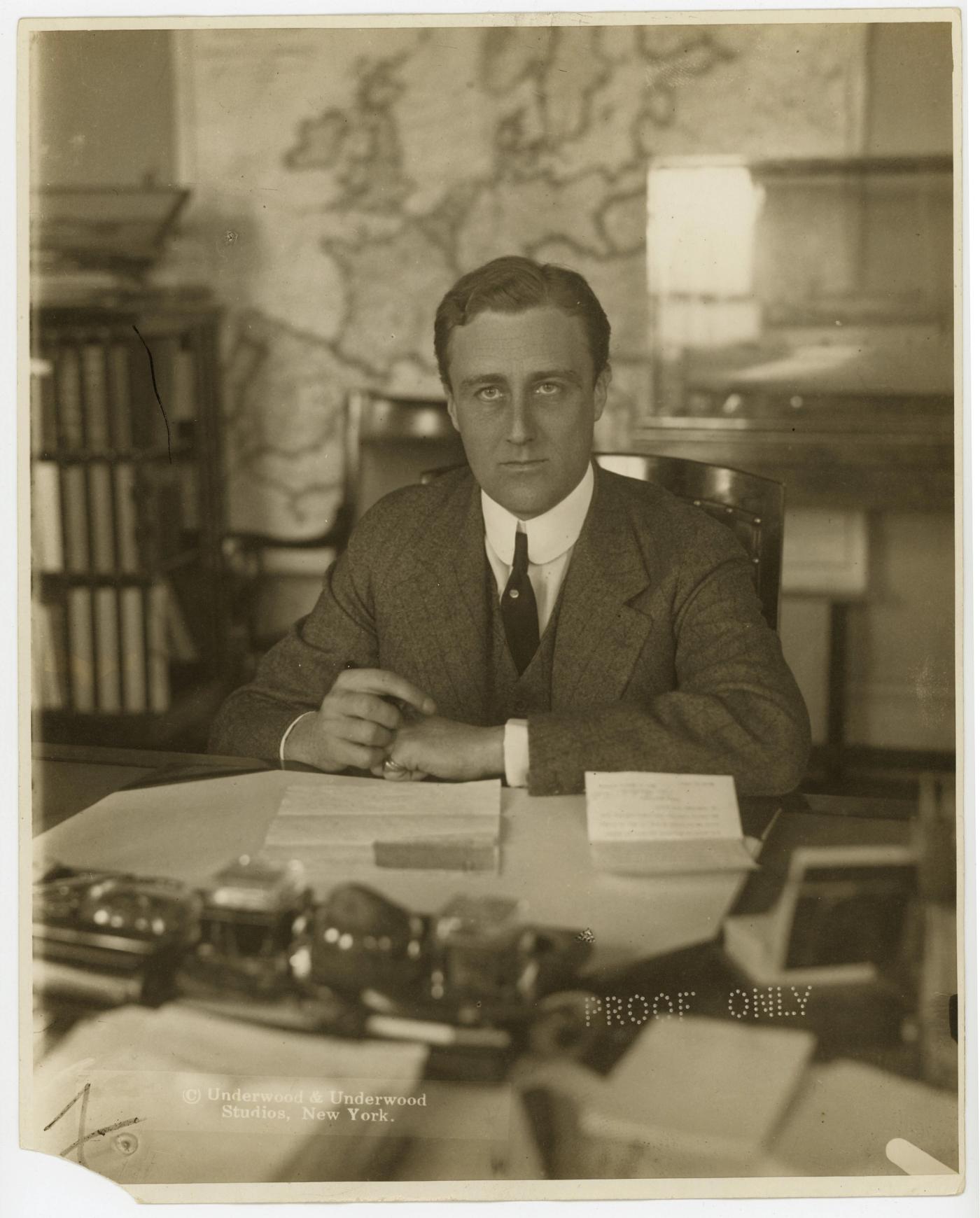
On March 17, 1913, his eighth wedding anniversary, Franklin Delano Roosevelt took the oath as Assistant Secretary of the Navy. The Senate had confirmed him that day, four days after President Woodrow Wilson sent his name up, and the department had already had him vaccinated against an outbreak of smallpox in Washington. That night he wrote to his mother, Sara. "I am baptized, confirmed, sworn in, vaccinated, and somewhat at sea!" he told her. "I will have to work like a new turbine to master this job."[1] He was thirty-one years old. Six years earlier he had been a newly admitted lawyer with a famous surname and no particular plans. Over the next twelve years he won his first election, made his name by fighting the most powerful machine in his own party, learned to run a great navy in peace and war, saw the front in France, and nearly lost his marriage. This is the story of those twelve years.
A Law Clerk Who Wanted Something Else
Roosevelt had married his distant cousin Anna Eleanor Roosevelt on March 17, 1905, in a house on East 76th Street in New York. President Theodore Roosevelt, Eleanor's uncle, gave the bride away and then went on to the evening's St. Patrick's Day dinners.[2] Franklin was then a student at Columbia Law School, which he attended from the fall of 1904 to the spring of 1907. In the spring of 1907 he passed the New York bar examination and walked away from Columbia without finishing his degree.[3] That September he took a clerk's desk at the Wall Street firm of Carter, Ledyard and Milburn.[4] He stayed about three years. By most accounts he never took to the work and preferred talking politics to drafting documents, though the job did put him in front of all kinds of people with all kinds of problems, a training of its own. He could afford the indifference. The Roosevelts of Hyde Park were wealthy, and for most of his adult life much of Franklin's income came from his mother rather than from anything he earned.
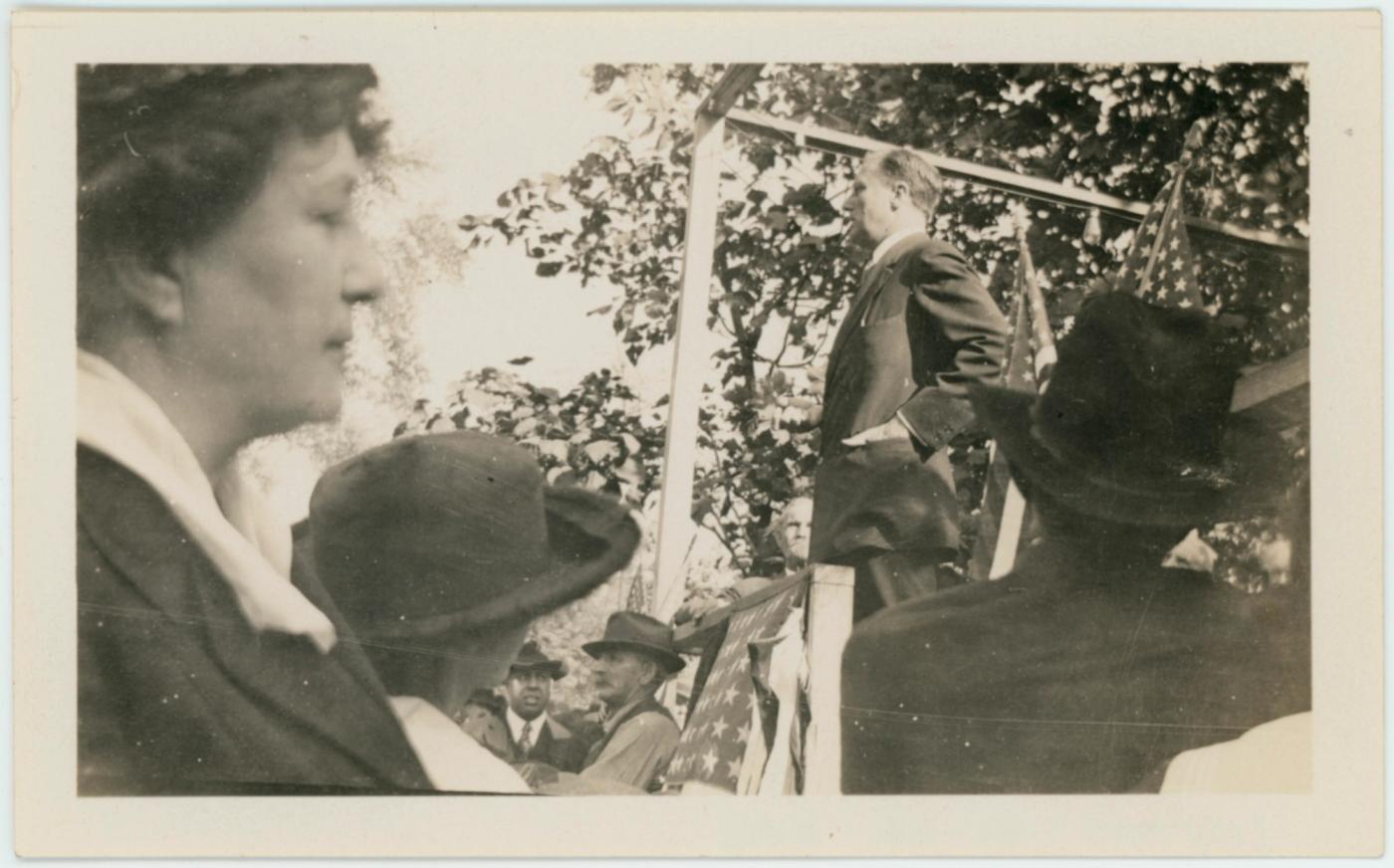
In 1910 the Republicans of the 26th state senate district, which took in Dutchess, Columbia, and Putnam counties, were divided between their old guard and their progressives, and a Democrat had a chance in a normally Republican district. On October 6 the Democrats nominated Roosevelt at a convention in Poughkeepsie. "I accept this nomination with absolute independence," he said. "I am pledged to no man; I am influenced by no special interests, and so I shall remain." The local Republican paper was unimpressed. "Senator Schlosser, we imagine, will not be greatly disturbed by Mr. Roosevelt's candidacy," it remarked.[5] Roosevelt campaigned out of a bright-red Maxwell touring car over dirt roads, often giving ten speeches a day, reaching farmers who rarely saw a candidate at all at a time when few candidates for the legislature campaigned by car. On November 8 he beat the incumbent, John F. Schlosser, by 15,708 votes to 14,568.[6] His willingness to use a new technology before his opponents did would recur for the rest of his career.
The Fight with Tammany Hall
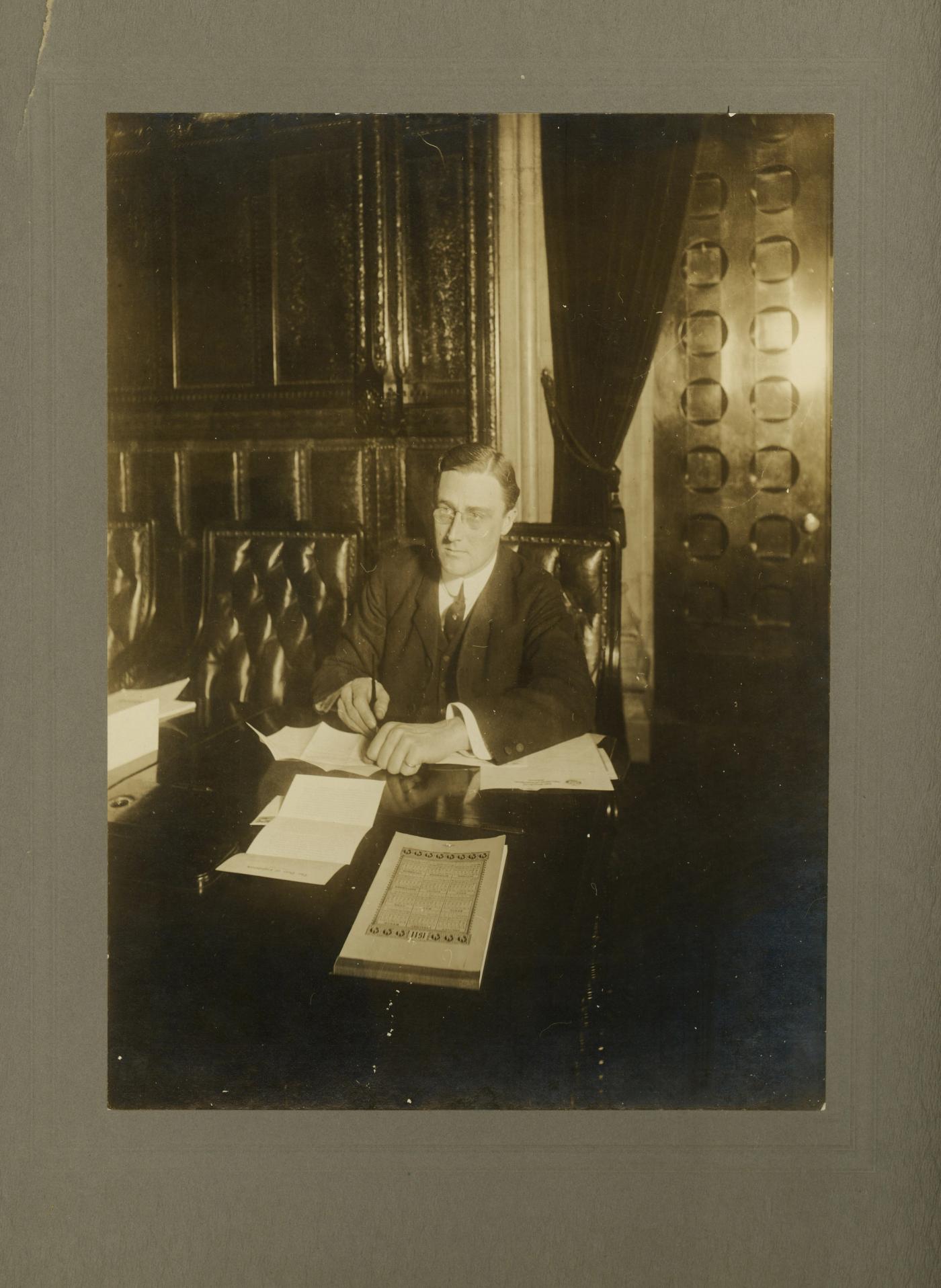
On New Year's Day 1911 the Roosevelts moved into a rented house on State Street in Albany, a short walk from the Capitol.[7] He made his name there almost immediately, and he made it against his own party. Before the Seventeenth Amendment, United States senators were chosen by state legislatures, which meant the choice belonged to whoever controlled the legislature. In 1911 that was Tammany Hall, and its leader, Charles F. Murphy, wanted William F. Sheehan to replace Senator Chauncey Depew. Sheehan won the Democratic caucus, but the two houses together had 200 members and a senator needed 101 votes. Roosevelt led a bloc of about twenty insurgent Democrats who refused to vote for Sheehan and met at his house instead of in caucus. "It's great, great," he told a reporter. "We will not lose any of our strength, but we will gain some as the hours go by."[8] The New York World called him "the commander of the opposition."[9]
The deadlock lasted for exactly three months. On March 29, while it dragged on, fire swept through the State Capitol. Two days later, on the sixty-fourth ballot, Murphy gave up on Sheehan and the legislature elected Justice James A. O'Gorman with 112 votes.[10] O'Gorman was also a Tammany man, and the insurgents had not won outright, but they had broken the machine's hold on the choice and made the young senator from Dutchess County a figure in state politics. The fight also brought him Louis Howe, an Albany correspondent for the New York Herald who was drawn to the insurgency, attached himself to Roosevelt, and stayed for the next twenty-five years.[11]
In 1912 Roosevelt backed Woodrow Wilson for the presidential nomination against Champ Clark, the candidate of the party's populist wing. He went to the convention at Baltimore weeks ahead of time as a Wilson organizer, and there he first met Josephus Daniels, a North Carolina newspaper editor managing Wilson's publicity. When Wilson won the nomination on July 2, Roosevelt telegraphed Eleanor: "Wilson nominated this afternoon all my plans vague splendid triumph."[12] Then, toward the end of September, typhoid fever put him in bed for the rest of his own re-election campaign. Howe took leave from the Herald to run it in his absence, with full-page newspaper advertisements, posters, pamphlets, and letters to the voters.[13] Roosevelt won without appearing in public, defeating the Republican Jacob G. Southard and the Progressive George A. Vossler,[14] and his debt to Howe was permanent.
Wilson Chooses FDR as Assistant Secretary of the Navy
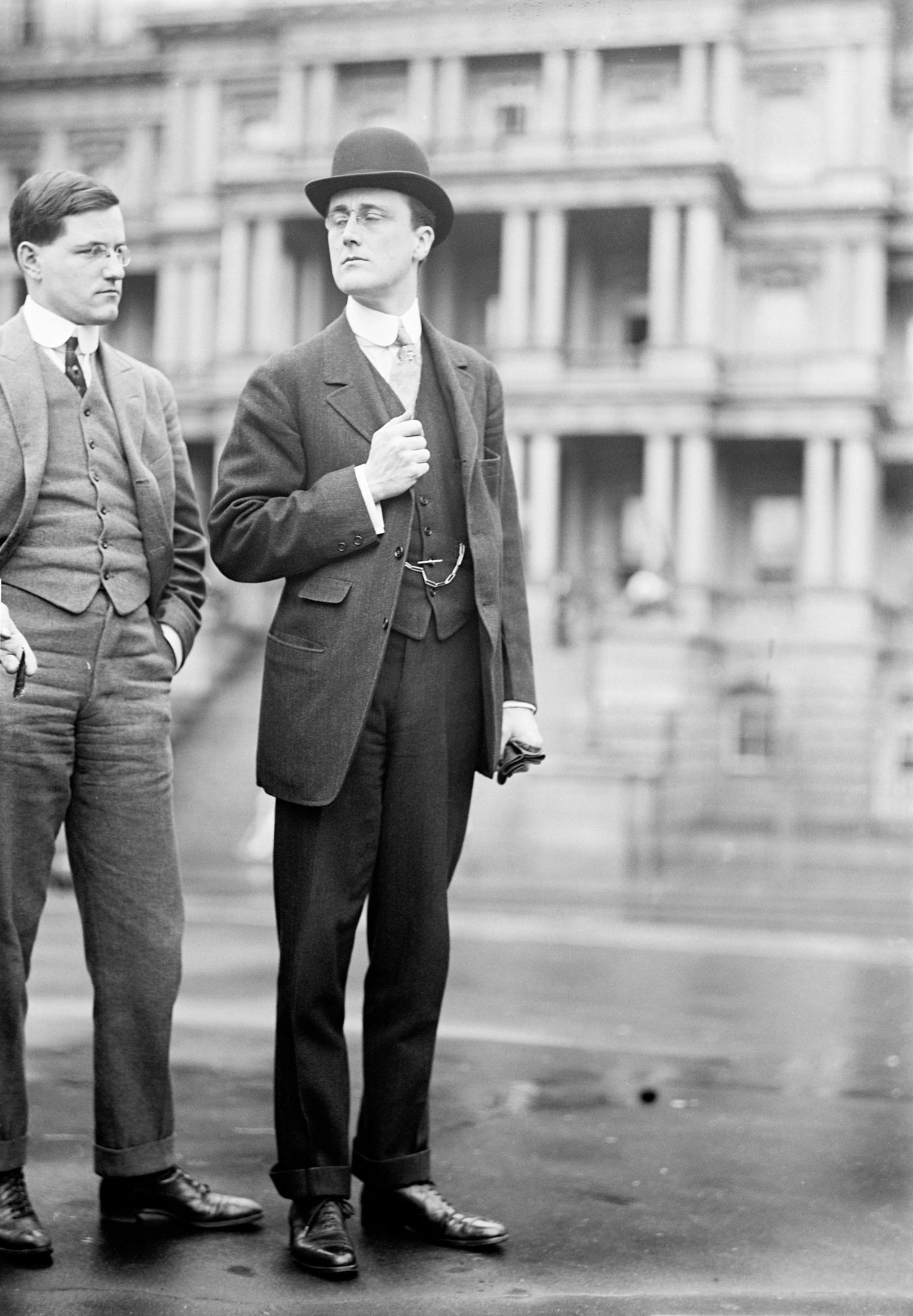
On March 13, 1913, Wilson sent Roosevelt's nomination as Assistant Secretary of the Navy to the Senate, and on March 17 the Senate confirmed it.[15] He was thirty-one, younger than anyone who had held the post before him.[16] He had no naval experience of any kind. He had, on the other hand, loved the sea since boyhood, called the Navy his favorite service, and referred to it in private as "My Navy."[17] Two days after taking office he was already in charge. "Mr. Daniels is away," he told Eleanor on March 19, "so I am Acting Secretary," adding that he must have signed three or four hundred papers that day.[18]
The appointment was a political debt being paid. Roosevelt had backed Wilson in 1912 even though his own fifth cousin Theodore ended up running against Wilson. Theodore Roosevelt lost the Republican nomination to President William Howard Taft and ran as a Progressive, which split the Republican vote and handed Wilson the election. There was a family symmetry to the job as well: Theodore Roosevelt had been Assistant Secretary of the Navy himself in 1897 and 1898, and had used the post to push the Navy toward a war the McKinley administration had not yet decided to fight.
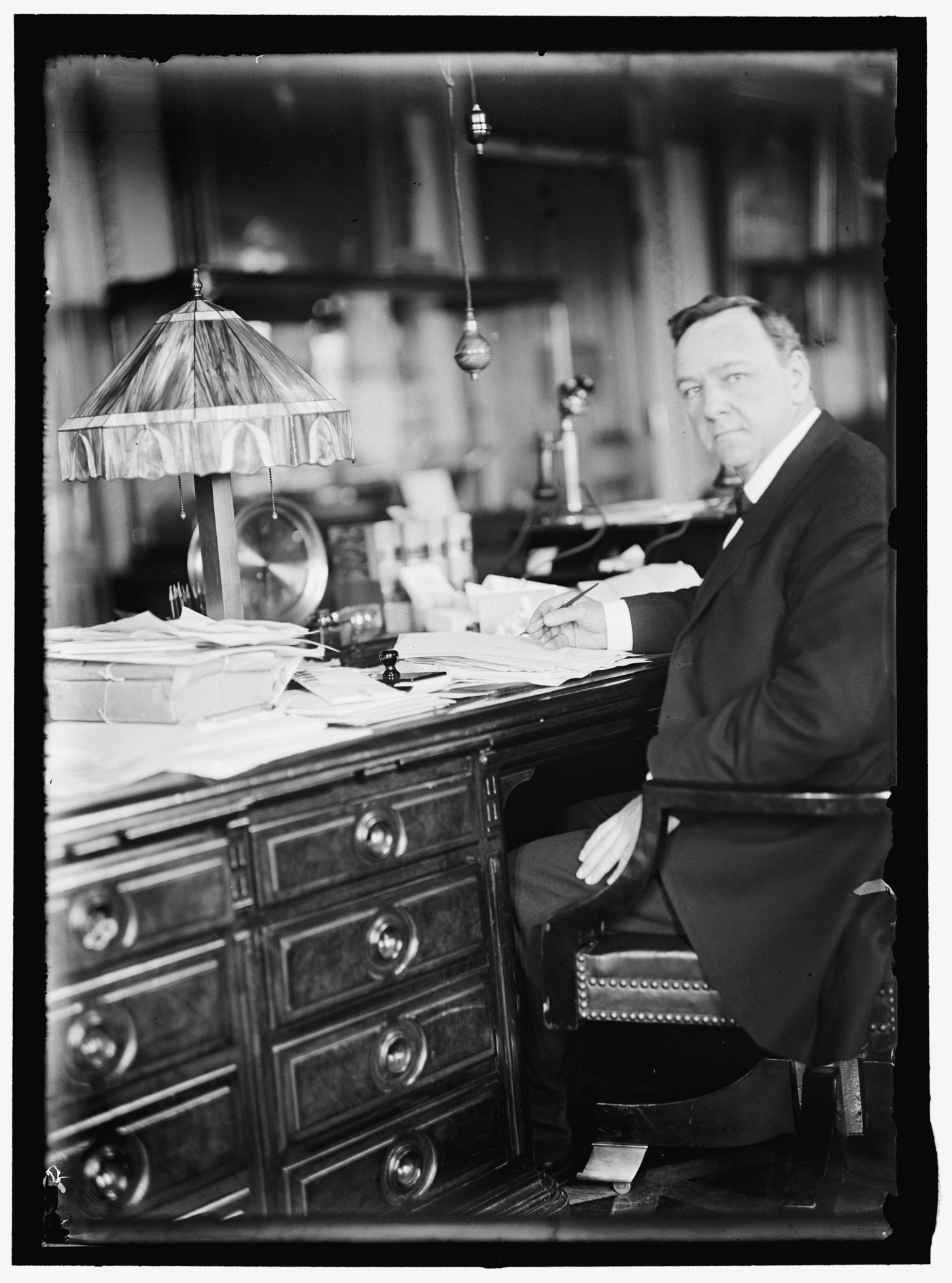
Roosevelt served under Josephus Daniels, now Secretary of the Navy and a pacifist by instinct. The division of labor between them was real: Daniels handled policy and politics, while Roosevelt handled personnel, operations, and contracting, including the navy yards and their workers.[19] The two men disagreed about almost everything to do with preparedness, and Roosevelt was not always loyal about it. In his early letters he was openly contemptuous of "Mr. D.," though he later came to hold him in deep respect and affection. Daniels kept him anyway, for seven years.[20]
A Detour to the Senate Primary
The Seventeenth Amendment was ratified on April 8, 1913, and senators would now be elected directly by the voters rather than chosen by the legislature. For a young man who had built his reputation fighting the legislature's bosses, the arithmetic looked promising. Elihu Root, the Republican incumbent, was not running again, and the seat was open.
Roosevelt entered the Democratic primary held on September 28, 1914, New York's first direct primary for the office, and was beaten badly. Tammany's candidate was James W. Gerard, who was at that moment serving as Wilson's ambassador to Germany and did not campaign in person. Gerard won by better than two to one.[21] Roosevelt cabled him afterward offering to campaign for him if he would declare his "unalterable opposition to Murphy's leadership," and Gerard went on to lose the general election to the Republican James W. Wadsworth Jr.[22] Roosevelt's ambition had outrun his standing in his own party. He went back to the Navy Department and stayed there.
World War I Begins
War broke out in Europe in the summer of 1914, and the United States watched it for nearly three years while supplying and financing the Allies. Roosevelt wanted the Navy built up at once. Wilson did not believe American forces would be needed, and Daniels agreed with Wilson. On August 1, writing to Eleanor on a train after dedicating an anchor from the battleship Maine at Reading, Pennsylvania, Roosevelt reported that Germany had declared war on Russia. "A complete smash up is inevitable," he wrote. "Mr. D. totally fails to grasp the situation and I am to see the President Monday a.m." He ended: "These are history-making days. It will be the greatest war in the world's history."[23] The next day he complained that "these dear good people like W.J.B. and J.D.," meaning Secretary of State William Jennings Bryan and Daniels, had "as much conception of what a general European war means as Elliott has of higher mathematics," Elliott being his three-year-old son.[24]
That December Roosevelt went before the House Committee on Naval Affairs and called for a large naval reserve. He found the hearings "really great fun," he told his mother, because he "was able not only to parry but to come back at them with thrusts that went home" while getting in his own views "without particular embarrassment to the Secretary."[25] Only in late 1915, as Congress began to consider what a German victory would mean, did the administration commit to a $600 million program to expand and modernize the fleet.[26] The commitment became law the following summer. The Naval Act of 1916, signed on August 29, authorized ten battleships, six battle cruisers, ten scout cruisers, fifty destroyers, and sixty-seven submarines among 156 ships of all classes to be laid down before July 1, 1919, the largest naval building program the country had ever authorized. The same act created a Naval Reserve Force and a Naval Flying Corps.[27]
Five months before that bill passed, Roosevelt appeared before the House committee again and was asked by Representative Butler of Pennsylvania how far behind Germany the United States would still be if it built everything Wilson had proposed.
Mr. Butler: If Germany should build according to the program adopted 6 or 8 or 10 years ago, after this present war is over and with her fleet saved to her, starting with the fleet she now has and adding to it year after year, if we should adopt the president's program, how far will we be behind her in 1925?
FDR: There would be 27 capital ships, which she would have added in the meantime, and the present so-called five-year program calls for 16 capital ships in five years. That means that during the other four years, we should have to add 11 more ships.[28]
Britain's fleet, meanwhile, was comfortably ahead of Germany's and comfortably ahead of everyone else's. Winston Churchill, First Lord of the Admiralty since October 1911, had committed the Royal Navy to oil rather than coal, and to secure the supply the British government bought a controlling 51 percent stake in the Anglo-Persian Oil Company, which operated the refinery at Abadan. The United States was moving the same way with less foresight, having begun planning for oil-fired ships around 1910; its first two oil-burning battleships, the USS Nevada and the USS Oklahoma, were commissioned in 1916.[29] With Britain both ahead and allied, American planners were competing for second place, and the fleet they were measuring themselves against was Germany's.
The Navy at War
When the United States entered the war in April 1917, Roosevelt had already been buying. Twenty years later he recalled Wilson telling him, a few days after the declaration of war, "Roosevelt, I am very sorry but you, in your zeal, you have cornered the market in a great many essential supplies and you have got to give up 50% of it to the Army."[30] He also pushed hard for an idea most of the Navy thought impractical: a barrier of mines across the North Sea to shut the U-boats in. When the Navy's General Board finally endorsed the plan in October 1917, Daniels wrote in his diary that Roosevelt "said 'I told you so last May,'" while Daniels himself still judged it "a stupendous undertaking, perhaps not impossible but to my mind of doubtful practicality."[31] Between June 8 and October 26, 1918, American and British minelayers sowed 56,611 American and 13,652 British mines in a belt roughly 230 miles long between the Orkneys and Norway.[32] The war ended before the barrage could be properly tested, and nobody agrees on what it accomplished. The Park Service credits it with at least four U-boats; the Navy's own postwar estimate was six; Germany said two.[33]
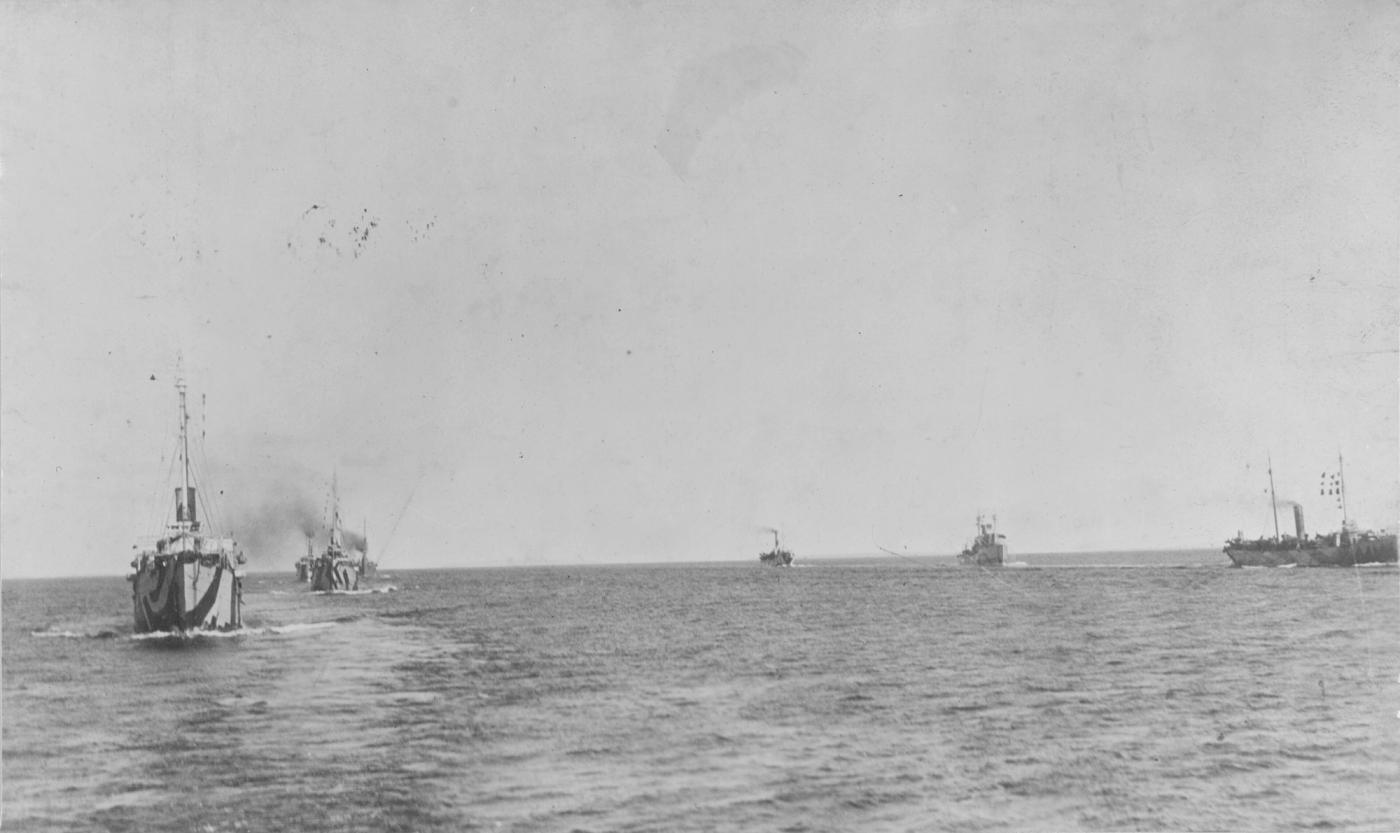
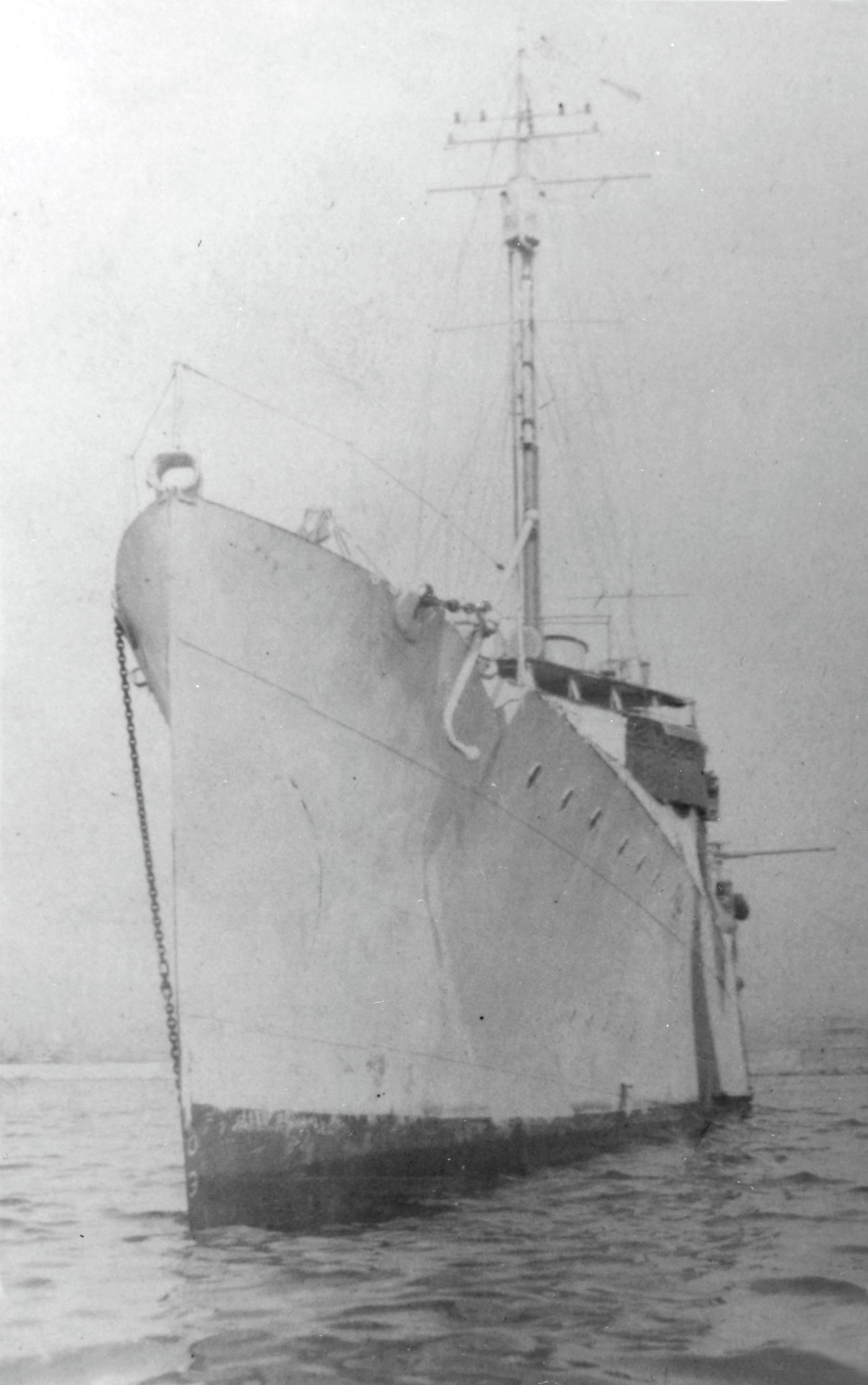
In the summer of 1918 Roosevelt crossed to Europe aboard the newly commissioned destroyer USS Dyer to see the war for himself. He boarded at Brooklyn on July 9, and the ship escorted a convoy of troopships by way of the Azores to Portsmouth, where Admiral William S. Sims met him on July 21. "I am very very glad I chose this way of crossing the ocean," he wrote.[34] On July 29 he was received by King George V at Buckingham Palace for "forty minutes all alone with the King," who mentioned that "Uncle Ted" had written him a cordial letter.[35] In Paris on August 2 he met Prime Minister Georges Clemenceau. "I knew at once that I was in the presence of the greatest civilian in France," he wrote.[36]
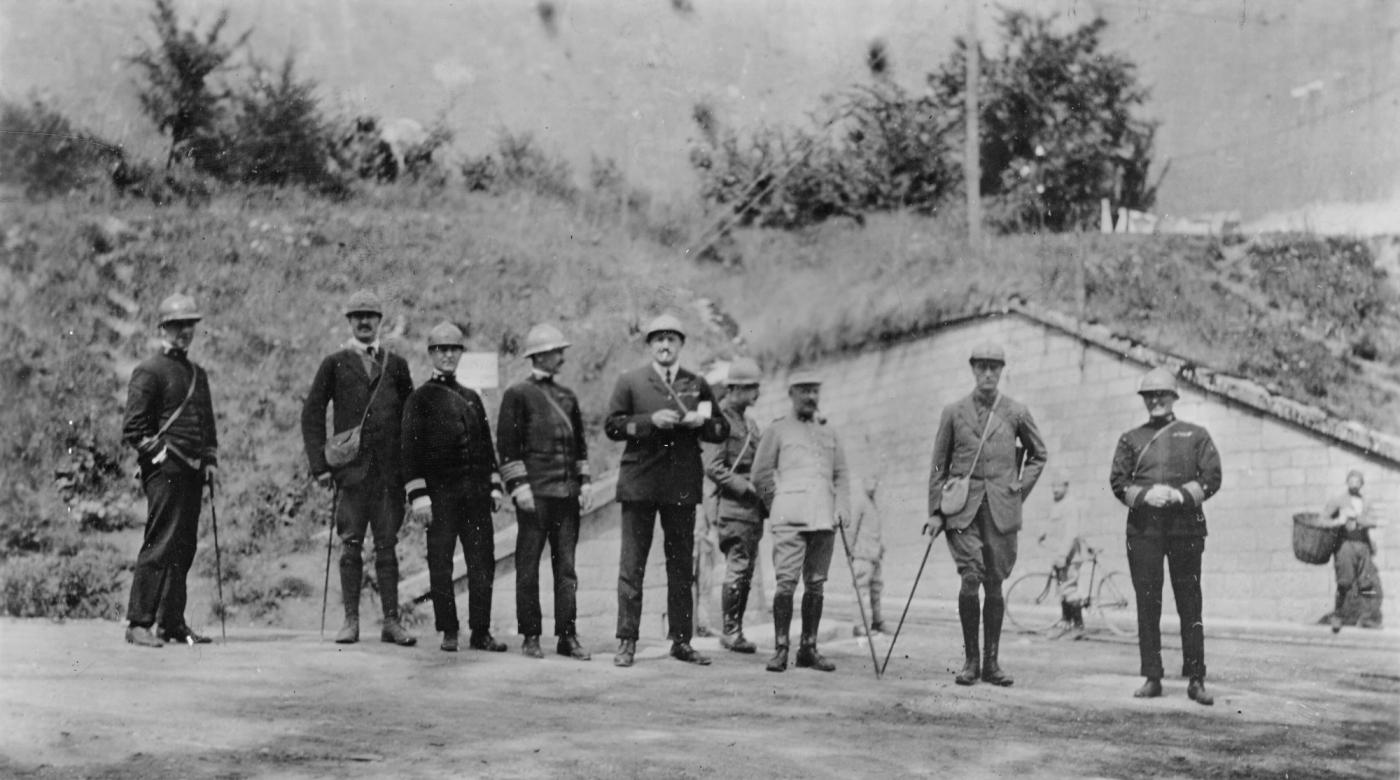
He looked up cousins serving at the front and went forward to the lines himself, visiting Château-Thierry and Belleau Wood, where the Marines had fought in June, and the fortress of Verdun, close enough to hear shells passing overhead and within about a mile of the German positions.[37] Eighteen years later, campaigning for re-election as president and arguing for American neutrality in a Europe that was arming again, he described what he had seen.
I have seen war. I have seen war on land and sea. I have seen blood running from the wounded. I have seen men coughing out their gassed lungs. I have seen the dead in the mud. I have seen cities destroyed. I have seen two hundred limping, exhausted men come out of line, the survivors of a regiment of one thousand that went forward forty-eight hours before. I have seen children starving. I have seen the agony of mothers and wives. I hate war.[38]
A Marriage That Nearly Ended
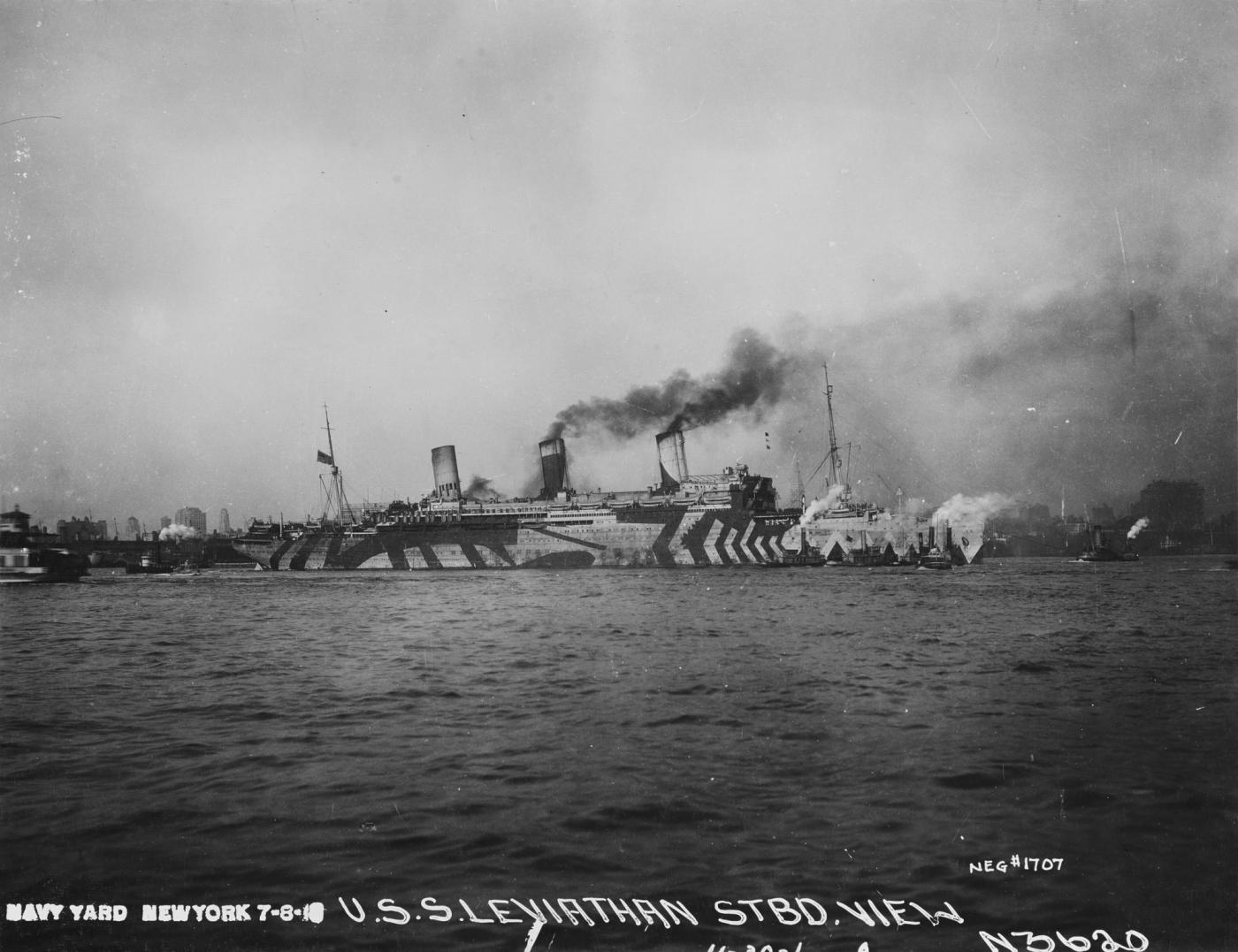
Roosevelt boarded the transport Leviathan at Brest on September 8, 1918, but the ship was short of coal and did not sail until September 12. By the time she reached New York on September 19 he was sick with influenza that had turned into double pneumonia, and he was carried ashore on a stretcher.[39] Eleanor unpacked his luggage while he was in bed and found letters from Lucy Mercer, who had become her own social secretary in 1914.[40] The affair had been running for roughly two years.
Eleanor offered a divorce. Sara Roosevelt told her son that if he disgraced the family she would cut off the money he lived on and the inheritance he expected, and Louis Howe told him plainly that a divorce would end any chance of national office. The marriage continued on new terms, as a partnership rather than anything warmer, and Eleanor's condition was that he never see Lucy Mercer again.[41] He broke that promise eventually; she was with him at Warm Springs when he died in 1945.
Winding Down the Navy's War
On January 2, 1919, seven weeks after the Armistice, Roosevelt sailed for France aboard the USS George Washington, this time with Eleanor.[42] The job was liquidation. The Navy had built an establishment across Europe during nineteen months of war, from the Azores to the Shetlands, including dozens of bases and port offices, and it had to be sold, shipped home, or written off, with contracts settled and accounts closed. Roosevelt's orders gave him authority over all the Navy's major contracts and financial obligations in Europe.[43] On January 9 Admiral Sims reported that "132 ships and 59 chasers, 2742 officers and 39408 men have been sent home," and that the only delay now was "awaiting the arrival of the Assistant Secretary of the Navy whose approval is necessary before our financial and legal obligations are consummated."[44] The George Washington reached Brest the next day.
He left Paris for Brest in the middle of February and came home on the same ship that had carried him over. It sailed on February 15 with Wilson aboard, taking a short break from the peace conference and carrying the draft covenant of the League of Nations in his luggage, and it reached Boston on February 24. Talking with Wilson during the crossing, Roosevelt became a supporter of the League.[45] He had taken up the post in 1913 knowing nothing about navies and came back in 1919 having helped run one through a world war.
Twelve years earlier he had been a bored law clerk with a famous surname. He now had executive experience no other Democrat of his generation could match, a national reputation, a political manager in Louis Howe, and a marriage that had been converted into a working alliance. What came next followed quickly: the vice-presidential nomination in 1920, defeat, and then the polio that nearly ended everything in 1921.
Places in this Story
The places this story moves through, in order — follow them on the interactive map →
- Carter, Ledyard and Milburn, Wall Street, New York September 1907
Newly admitted to the bar, Roosevelt begins three years as a clerk at the Wall Street law firm.
- Poughkeepsie, New York October 6, 1910
Democrats nominate Roosevelt for the State Senate. "I am pledged to no man," he tells the convention.
- Hyde Park, New York November 8, 1910
Campaigning from a red Maxwell touring car, the Hyde Park Democrat wins a normally Republican district by 1,140 votes.
- New York State Capitol, Albany January–March 1911
Roosevelt leads about twenty insurgent Democrats against Tammany's Senate candidate, William F. Sheehan, until the legislature elects James A. O'Gorman on March 31.
- Fifth Regiment Armory, Baltimore July 2, 1912
Woodrow Wilson wins the Democratic nomination. Roosevelt, a Wilson organizer, meets Josephus Daniels here.
- State, War, and Navy Building, Washington March 17, 1913
Confirmed by the Senate, Roosevelt is sworn in as Assistant Secretary of the Navy at thirty-one.
- Buckingham Palace, London July 29, 1918
Roosevelt spends "forty minutes all alone with the King," George V, who mentions a cordial letter from "Uncle Ted."
- Paris August 2, 1918
Roosevelt meets Prime Minister Georges Clemenceau: "I knew at once that I was in the presence of the greatest civilian in France."
- Belleau Wood, France August 4, 1918
Roosevelt visits Château-Thierry and Belleau Wood, where the Marines had fought in June.
- Verdun, France August 6, 1918
Roosevelt and his staff visit the Citadel of Verdun, within about a mile of the German lines.
- Orkney Islands, Scotland June–October 1918
American and British minelayers lay about 70,000 mines in the North Sea Mine Barrage, from the Orkneys toward Norway, a project Roosevelt had pushed for since 1917.
- Brest, France February 15, 1919
After winding up the Navy's European establishment, Roosevelt sails home aboard the George Washington with President Wilson.
Frequently Asked Questions
What was FDR doing before he entered politics?
He passed the New York bar examination in the spring of 1907, left Columbia Law School without taking his degree, and that September became a clerk at the Wall Street firm of Carter, Ledyard and Milburn. He stayed about three years and never much liked the work.
How did FDR first get elected to office?
In 1910 Democrats nominated him for the New York State Senate in the 26th district, which covered Dutchess, Columbia, and Putnam counties and normally voted Republican. Campaigning from a red Maxwell touring car over country roads, he beat the Republican incumbent, John F. Schlosser, by 15,708 votes to 14,568.
Why did FDR fight Tammany Hall in 1911?
State legislatures still chose United States senators, and Tammany boss Charles F. Murphy wanted William F. Sheehan in the seat. Roosevelt led about twenty insurgent Democrats who refused to vote for Sheehan, and after three months of deadlock the legislature chose James A. O'Gorman instead on March 31, 1911.
Why was Franklin D. Roosevelt chosen as Assistant Secretary of the Navy in 1913?
He had worked for Woodrow Wilson's nomination in 1912, meeting Josephus Daniels, the future Secretary of the Navy, at the Baltimore convention, and the appointment repaid that support. Wilson sent his nomination to the Senate on March 13, 1913, and he was confirmed and sworn in on March 17, at thirty-one the youngest man to have held the post.
Did FDR run for the United States Senate in 1914?
Yes. In New York's first direct primary, on September 28, 1914, he lost the Democratic nomination by more than two to one to James W. Gerard, Tammany's candidate and Wilson's ambassador to Germany. Gerard then lost the general election to the Republican James W. Wadsworth Jr., and Roosevelt stayed at the Navy Department.
What did FDR do during World War I?
He pressed for naval expansion before American entry, ran the Navy Department's personnel, operations, and contracting, and championed the North Sea Mine Barrage, in which about 70,000 American and British mines were laid between Scotland and Norway in 1918. That summer he toured the war in Britain and France, meeting King George V and Georges Clemenceau and visiting the front.
How did FDR's time at the Navy Department end?
In January 1919 he sailed for France to wind up the Navy's establishment in Europe, settling its contracts and closing its bases. He came home in February aboard the George Washington with President Wilson, became a supporter of the League of Nations, and in 1920 was nominated for vice president.
Bibliography
"Address at Chautauqua, N.Y.," August 14, 1936. The American Presidency Project. Accessed October 22, 2026. https://www.presidency.ucsb.edu/documents/address-chautauqua-ny.
"An Act Making Appropriations for the Naval Service for the Fiscal Year Ending June Thirtieth, Nineteen Hundred and Seventeen." August 29, 1916. Ch. 417, 39 Stat. 556. GovInfo. Accessed October 23, 2026. https://www.govinfo.gov/content/pkg/STATUTE-39/pdf/STATUTE-39-Pg556.pdf.
Columbia Law School. "Presidents Roosevelt Awarded Law Degrees Posthumously." October 9, 2008. Accessed October 23, 2026. https://www.law.columbia.edu/news/archive/presidents-roosevelt-awarded-law-degrees-posthumously.
Daniels, Josephus. Diary, October 29, 1917. World War I Documentary Histories. Naval History and Heritage Command. Accessed October 23, 2026. https://www.history.navy.mil/research/publications/documentary-histories/wwi/october-1917/diary-of-secretary-o-4.html.
"Dyer I (Destroyer No. 84)." Dictionary of American Naval Fighting Ships. Naval History and Heritage Command. Accessed October 23, 2026. https://www.history.navy.mil/research/histories/ship-histories/danfs/d/dyer.html.
Eleanor Roosevelt Papers Project. "Louis McHenry Howe." George Washington University. Accessed October 23, 2026. https://erpapers.columbian.gwu.edu/node/899.
Evening World (New York). March 13 and March 17, 1913. Chronicling America, Library of Congress. Accessed October 23, 2026. https://www.loc.gov/resource/sn83030193/1913-03-13/ed-1/?sp=1.
"FDR and His Mighty Navy." Naval History 33, no. 1 (February 2019). U.S. Naval Institute. Accessed October 22, 2026. https://www.usni.org/magazines/naval-history-magazine/2019/february/fdr-his-mighty-navy.
"FDR's Secret Love." U.S. News and World Report, April 18, 2008. Accessed October 22, 2026. https://www.usnews.com/news/articles/2008/04/18/fdrs-secret-love.
"Franklin Delano Roosevelt, Assistant Secretary of the Navy." National Park Service. Accessed October 22, 2026. https://www.nps.gov/articles/franklin-delano-roosevelt-assistant-secretary-of-the-navy.htm.
"George Washington II (Id. No. 3018)." Dictionary of American Naval Fighting Ships. Naval History and Heritage Command. Accessed October 22, 2026. https://history.navy.mil/research/histories/ship-histories/danfs/g/george-washington-ii.html.
Murlin, Edgar L. The New York Red Book. Albany: J. B. Lyon, 1913. Internet Archive. Accessed October 23, 2026. https://archive.org/details/newyorkredbook0000unse_y7f0.
New-York Tribune. March 18, 1905, and April 1, 1911. Chronicling America, Library of Congress. Accessed October 23, 2026. https://www.loc.gov/resource/sn83030214/1905-03-18/ed-1/?sp=8.
"North Sea Mine Barrage." Naval History and Heritage Command. Accessed October 22, 2026. https://www.history.navy.mil/content/history/nhhc/browse-by-topic/wars-conflicts-and-operations/world-war-i/tech/north-sea-barrage.html.
Office of Naval Intelligence, Historical Section. The Northern Barrage (Taking Up the Mines). Publication No. 4. Washington: Government Printing Office, 1920. Naval History and Heritage Command. Accessed October 23, 2026. https://www.history.navy.mil/research/library/online-reading-room/title-list-alphabetically/n/northern-barrage-taking-up-mines.html.
"Post-War: Demobilization." World War I Documentary Histories. Naval History and Heritage Command. Accessed October 22, 2026. https://history.navy.mil/research/publications/documentary-histories/wwi/post-war-demobilizat.html.
Roosevelt, Elliott, ed. F.D.R.: His Personal Letters, 1905–1928. New York: Duell, Sloan and Pearce, 1948. Internet Archive. Accessed October 23, 2026. https://archive.org/details/in.ernet.dli.2015.186992.
Roosevelt, Franklin D. Press conference no. 358, April 6, 1937. World War I Documentary Histories. Naval History and Heritage Command. Accessed October 23, 2026. https://www.history.navy.mil/research/publications/documentary-histories/wwi/april-1917/president-franklin-d.html.
Sims, William S. Admiral William S. Sims to Josephus Daniels, January 9, 1919. World War I Documentary Histories. Naval History and Heritage Command. Accessed October 23, 2026. https://www.history.navy.mil/research/publications/documentary-histories/wwi/post-war-demobilizat/admiral-william-s-si.html.
Springfield Weekly Republican. October 1, 1914. Chronicling America, Library of Congress.
"Statement of Hon. Franklin D. Roosevelt, Assistant Secretary." Hearings Before the House Committee on Naval Affairs. 64th Cong., 1st sess., March 28, 1916.
The Sun (New York). January 18, 1911; April 1, 1911; March 15, 1913; and October 4, 1914. Chronicling America, Library of Congress. Accessed October 23, 2026. https://www.loc.gov/resource/sn83030272/1911-04-01/ed-1/?sp=1.
"Timeline of Franklin D. Roosevelt's Life." National Park Service. Accessed October 22, 2026. https://home.nps.gov/articles/timeline-of-franklin-d-roosevelt-s-life.htm.
Wells, Bruce. "Petroleum and Sea Power." American Oil and Gas Historical Society, May 3, 2023. Accessed October 22, 2026. https://aoghs.org/petroleum-in-war/petroleum-and-sea-power/.
"Woodrow Wilson, World War I, and Freedom of the Seas." Naval History and Heritage Command. Accessed October 22, 2026. https://www.history.navy.mil/content/history/nhhc/browse-by-topic/wars-conflicts-and-operations/world-war-i/history/ww1-freedom-of-seas.html.
Citations
- Franklin D. Roosevelt to Sara Delano Roosevelt, March 17, 1913, in Elliott Roosevelt, ed., F.D.R.: His Personal Letters, 1905–1928 (New York: Duell, Sloan and Pearce, 1948); The Sun (New York), March 15, 1913, 5, on the vaccination; Evening World (New York), March 17, 1913, 2, on the confirmation. ↑
- New-York Tribune, March 18, 1905, 8. ↑
- Columbia Law School, "Presidents Roosevelt Awarded Law Degrees Posthumously," October 9, 2008; F.D.R.: His Personal Letters, editor's note on 1907. Columbia awarded him the degree posthumously in 2008. ↑
- F.D.R.: His Personal Letters, editor's note on 1907–1910. Some biographers date the start of the clerkship to 1908. ↑
- Poughkeepsie Daily Eagle, October 7, 1910, quoted in F.D.R.: His Personal Letters. ↑
- Edgar L. Murlin, The New York Red Book (Albany: J. B. Lyon, 1913), biography of Senator Franklin D. Roosevelt; F.D.R.: His Personal Letters, editor's note on the 1910 campaign. ↑
- F.D.R.: His Personal Letters, editor's note on 1911. ↑
- The Sun (New York), January 18, 1911, 2; F.D.R.: His Personal Letters, editor's note on the Sheehan fight, which gives the caucus and ballot figures. Accounts of the number of insurgents range from eighteen to more than twenty. ↑
- New York World, January 17, 1911, quoted in F.D.R.: His Personal Letters. ↑
- The Sun (New York), April 1, 1911, 1; New-York Tribune, April 1, 1911. ↑
- "Louis McHenry Howe," Eleanor Roosevelt Papers Project, George Washington University; F.D.R.: His Personal Letters, editor's note on 1911. ↑
- Franklin D. Roosevelt to Eleanor Roosevelt, telegram, July 2, 1912, in F.D.R.: His Personal Letters. ↑
- F.D.R.: His Personal Letters, editor's notes on the 1912 campaign. Some accounts say Eleanor asked Howe to take over; the Letters say Roosevelt hired him. ↑
- Murlin, New York Red Book (1913), returns for the 26th Senate District, which give Roosevelt 15,590 votes, Southard 13,959, and Vossler 2,628. ↑
- Evening World (New York), March 13, 1913, 1; Evening World, March 17, 1913, 2. The National Park Service gives the date of the nomination as March 12. ↑
- "Franklin Delano Roosevelt, Assistant Secretary of the Navy," National Park Service. ↑
- "FDR and His Mighty Navy," Naval History 33, no. 1 (February 2019), U.S. Naval Institute. ↑
- Franklin D. Roosevelt to Eleanor Roosevelt, March 19, 1913, in F.D.R.: His Personal Letters. ↑
- "Franklin Delano Roosevelt, Assistant Secretary of the Navy," National Park Service. ↑
- F.D.R.: His Personal Letters, editor's note on Daniels. ↑
- Springfield Weekly Republican, October 1, 1914, 11; The Sun (New York), October 4, 1914, 8. The commonly cited final count is Gerard 133,815, Roosevelt 63,879, and Joseph A. McDonough 17,862. ↑
- F.D.R.: His Personal Letters, editor's note on the 1914 primary. ↑
- Franklin D. Roosevelt to Eleanor Roosevelt, August 1, 1914, in F.D.R.: His Personal Letters. ↑
- Franklin D. Roosevelt to Eleanor Roosevelt, August 2, 1914, in F.D.R.: His Personal Letters. ↑
- Franklin D. Roosevelt to Sara Delano Roosevelt, December 17, 1914, in F.D.R.: His Personal Letters, with the editor's note quoting the New York Times of December 17 on his testimony of the previous day. ↑
- "Franklin Delano Roosevelt, Assistant Secretary of the Navy," National Park Service. ↑
- "An Act Making Appropriations for the Naval Service," August 29, 1916, ch. 417, 39 Stat. 556; "Woodrow Wilson, World War I, and Freedom of the Seas," Naval History and Heritage Command. ↑
- "Statement of Hon. Franklin D. Roosevelt, Assistant Secretary," Hearings Before the House Committee on Naval Affairs, 64th Cong., 1st sess., March 28, 1916. ↑
- Bruce Wells, "Petroleum and Sea Power," American Oil and Gas Historical Society, May 3, 2023. ↑
- President Franklin D. Roosevelt, press conference no. 358, April 6, 1937, in "World War I Documentary Histories," Naval History and Heritage Command. Roosevelt was recalling events twenty years after the fact. ↑
- Josephus Daniels, diary, October 29, 1917, in "World War I Documentary Histories," Naval History and Heritage Command. ↑
- Office of Naval Intelligence, Historical Section, The Northern Barrage (Taking Up the Mines), Publication No. 4 (Washington: Government Printing Office, 1920), Naval History and Heritage Command. Contemporary figures for the barrage's length range from about 200 to 240 miles. ↑
- "North Sea Mine Barrage," Naval History and Heritage Command; "Franklin Delano Roosevelt, Assistant Secretary of the Navy," National Park Service. ↑
- Roosevelt's diary of the 1918 trip, in F.D.R.: His Personal Letters; "Dyer I (Destroyer No. 84)," Dictionary of American Naval Fighting Ships, Naval History and Heritage Command. ↑
- Roosevelt's diary, entry for July 30, 1918, in F.D.R.: His Personal Letters; "FDR and His Mighty Navy." ↑
- Roosevelt's diary, entry for August 2, 1918, in F.D.R.: His Personal Letters. ↑
- Roosevelt's diary, entries for August 4–6, 1918, in F.D.R.: His Personal Letters; "Franklin Delano Roosevelt, Assistant Secretary of the Navy," National Park Service. ↑
- Franklin D. Roosevelt, "Address at Chautauqua, N.Y.," August 14, 1936, American Presidency Project. ↑
- F.D.R.: His Personal Letters, editor's note on the return voyage; "Franklin Delano Roosevelt, Assistant Secretary of the Navy," National Park Service. ↑
- "Franklin Delano Roosevelt, Assistant Secretary of the Navy," National Park Service. ↑
- "FDR's Secret Love," U.S. News and World Report, April 18, 2008. ↑
- F.D.R.: His Personal Letters, letter of January 10, 1919; "George Washington II (Id. No. 3018)," Dictionary of American Naval Fighting Ships, Naval History and Heritage Command. ↑
- F.D.R.: His Personal Letters, editor's note on the 1919 trip, which counts fifty-four shore bases and twenty-five port offices. ↑
- Admiral William S. Sims to Secretary of the Navy Josephus Daniels, January 9, 1919, in "Post-War: Demobilization," World War I Documentary Histories, Naval History and Heritage Command. ↑
- F.D.R.: His Personal Letters, entries for February 1919. The ship anchored off Boston on the evening of February 23, and the party landed the next day. ↑