On a Friday in early March 1776, at Bloomfield Colliery near Tipton in the Black Country, a new kind of pumping engine was set to work in front of its owners. The pit it was meant to drain was about ninety feet deep and stood fifty-seven feet deep in water. According to a report datelined Birmingham, March 11, and reprinted in the Chester Chronicle three days later, the engine made fourteen or fifteen strokes a minute from the moment it started and emptied the pit in under an hour. Its cylinder was fifty inches across and its stroke seven feet, and the report claimed that it needed a quarter of the fuel an ordinary engine would burn to do the same work. "Their principles are very different from all others," the report concluded.[1]
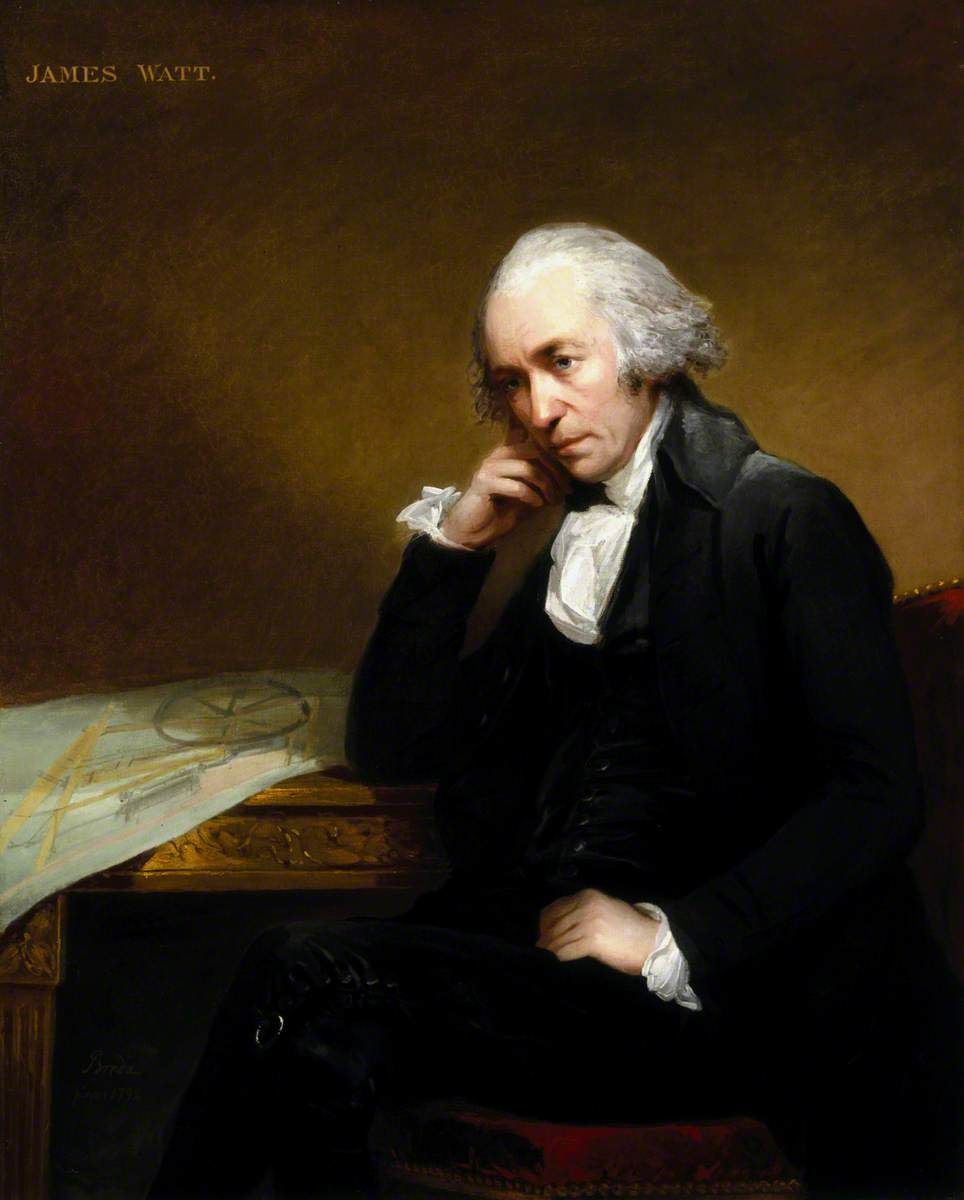
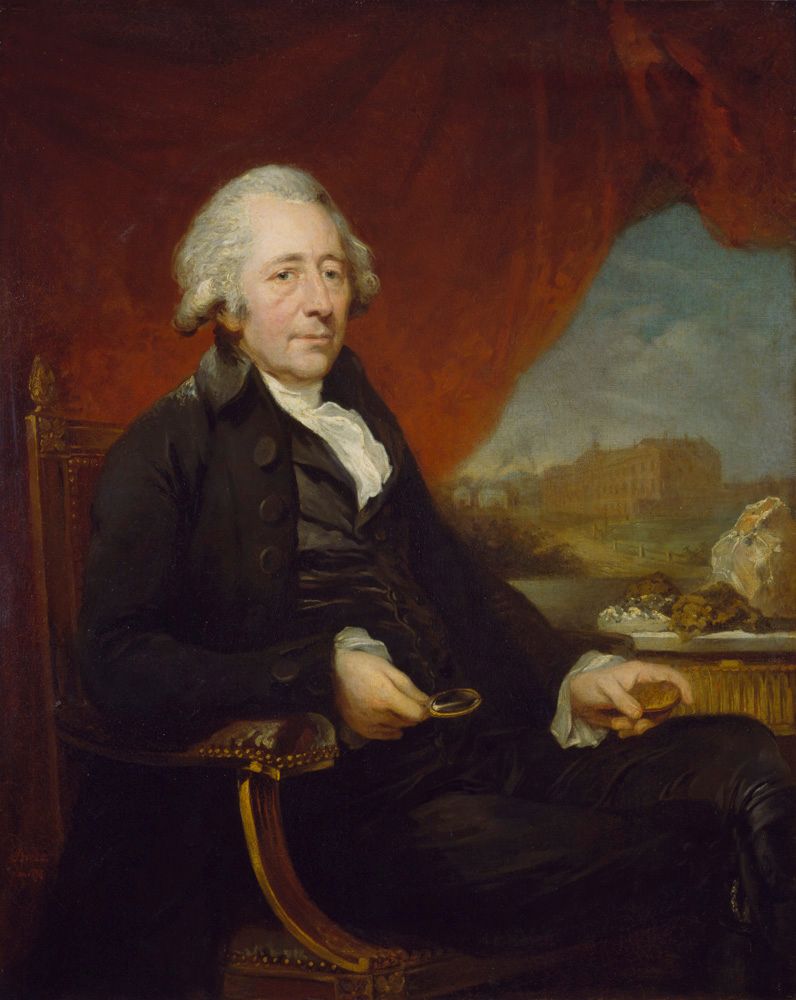
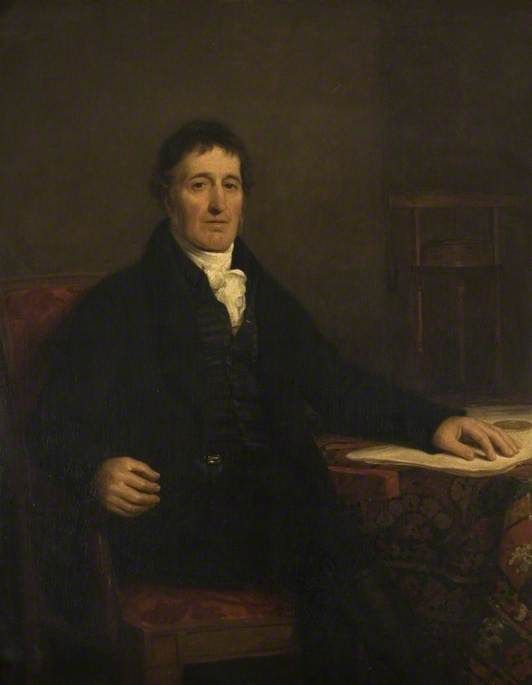
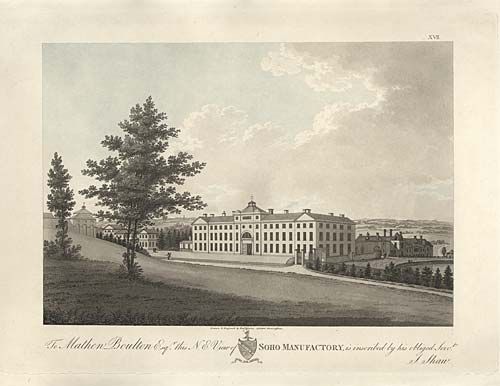
The engine was among the first full-scale products of a partnership between James Watt, a forty-year-old Scottish instrument maker and surveyor, and Matthew Boulton, a Birmingham manufacturer of buttons and other small metal goods. What it did that March, however, was what steam engines had done in Britain for more than sixty years: it lifted water out of a mine. Over the next twelve years Watt and the people around him turned that pump into something else. By 1788 an engine of Watt's design stood in Boulton's own works at Soho, turning a shaft that drove forty-three polishing machines and holding its own speed steady by means of a pair of spinning weights. The change came gradually, through a long sequence of patents, debts, quarrels with Cornish mine owners, borrowed ideas, and the skill of workmen whose names rarely appear in the story, and for much of the period its central figure was convinced that the whole enterprise was about to ruin him. This is the story of those twelve years.
A Patent and a Partnership
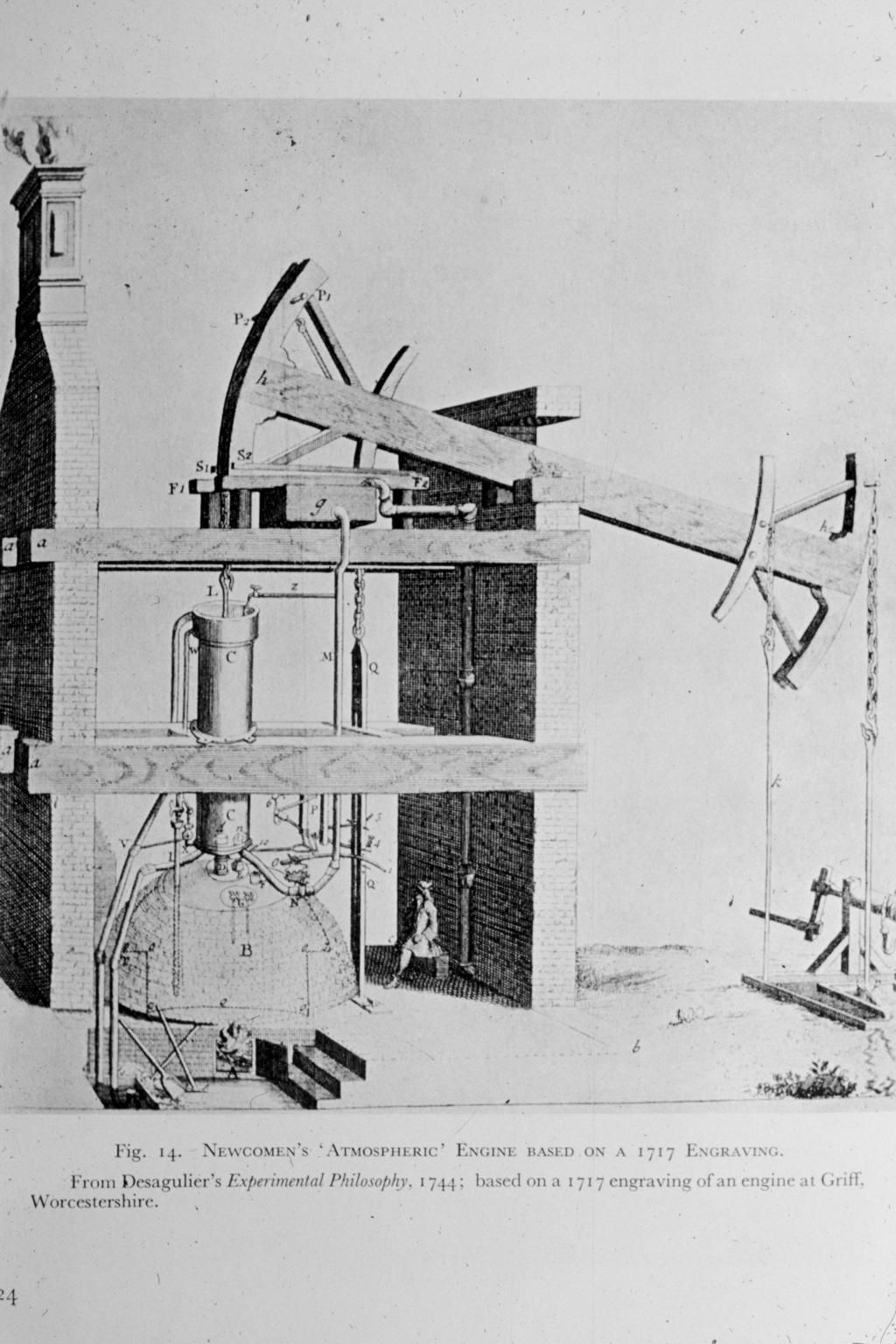
Watt's great idea was already more than a decade old by 1776. The engine in general use, devised by Thomas Newcomen early in the century, worked by condensing steam inside its cylinder with a spray of cold water, creating a partial vacuum that let the pressure of the atmosphere drive the piston down. While repairing a model of such an engine at the University of Glasgow in 1764, Watt saw that the cold spray also chilled the cylinder itself, so that much of each new charge of steam was wasted simply warming the metal again. His remedy was to condense the steam in a separate vessel, kept cold, while the cylinder itself stayed hot. He patented the separate condenser in 1769.
For years the invention earned nothing. Watt's first backer, the ironmaster John Roebuck, was ruined in the financial crash of 1772–73, and Boulton took over a two-thirds share in the patent in place of a debt. Watt moved to Birmingham in 1774, and in 1775 Parliament passed an act extending his patent until 1800, the same year his partnership with Boulton began. The extension was contested at the time and has been debated since. Edmund Burke spoke against it, and the economists Michele Boldrin and David Levine have argued that it passed because Boulton's political connections were too strong for principle to defeat, and that Watt afterward spent a substantial part of his energy fending off rival inventors. The economists George Selgin and John Turner have countered that the patent did not hold back the development of high-pressure steam, as is often claimed. The historian Eric Robinson, by contrast, suggested that the extension might be considered the most important single event of the Industrial Revolution. Whatever its merits, it gave the partners twenty-five years of legal protection for the separate condenser.[2]
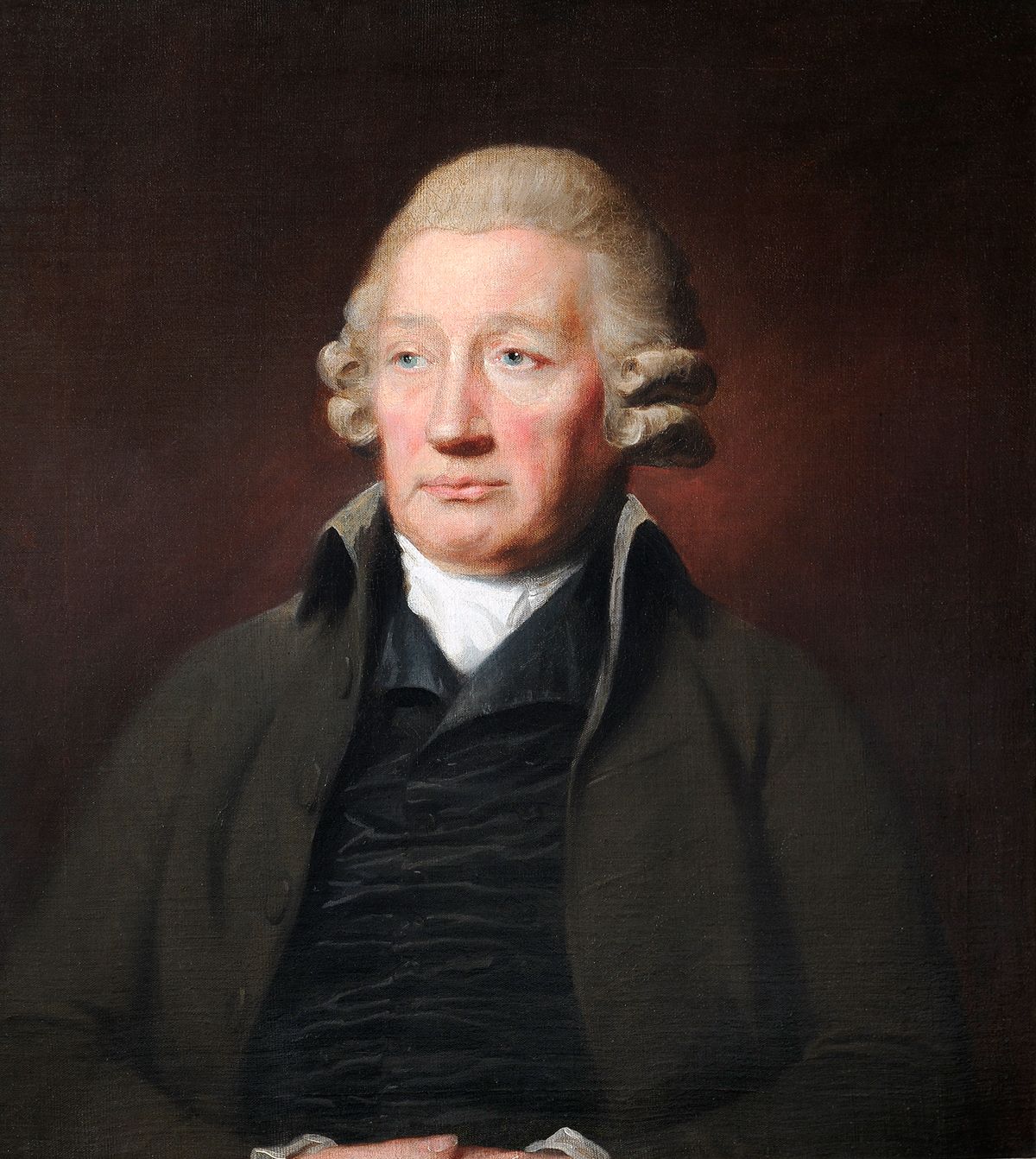
A second indispensable ingredient came from an ironmaster. Watt's engine depended on a close fit between piston and cylinder, and John Wilkinson's boring mill at Bersham, near Wrexham, supplied it. Its boring bar was supported at both ends, which held the cutter rigid enough to bore cylinders with far greater accuracy than earlier machines, and according to the Science Museum all of Watt's early cylinders were bored on it. Wilkinson also ordered the first engine made at Soho, to blow the bellows of his ironworks at Broseley in Shropshire, and Watt went there to supervise its erection in the opening weeks of 1776. It worked well enough to make the partners' name across the Midlands.[3]
Boulton's ambitions ran well ahead of the machinery. In February 1776 he wrote that he had set his mind on making twelve to fifteen pumping engines and fifty "rotative" engines a year, and that none of the toys and trinkets made at Soho would take precedence over engines in his attention. No such engine yet existed.[4]
The First Engines
The Bloomfield and Broseley engines worked, and orders followed, among them one for a distillery at Stratford-le-Bow, east of London. On a visit to London, Boulton found that the circle around John Smeaton, the most respected engineer of the day, had concluded that neither the tools nor the workmen existed to build so complicated a machine with the necessary precision. When Smeaton inspected the Bow engine the following spring, according to Samuel Smiles, he judged it a pretty engine but too complex for practical use.[5]
Watt spent the summer of 1776 in Scotland, settling his ailing father's affairs and courting Ann Macgregor, the daughter of a Glasgow dyer. Her cautious father wanted to see the partnership agreement before he would consent, which obliged Watt to press Boulton to put into legal form terms that had until then existed mainly in letters. The wedding took place at the end of July, and Watt hurried back to Birmingham. Boulton, meanwhile, told Watt that he had lain awake one night, "my mind being absorbed by steam."[6]
One improvement both men pursued in these first years was expansive working, in which the supply of steam was cut off before the piston completed its stroke so that the steam already in the cylinder expanded and did further work without any additional fuel. In practice it proved hard to keep up, because the men left in charge of the engines tinkered with the valves to give them more steam, the boilers could not keep up, and the firm had to send its own fitters to put matters right. Watt later recalled that the partners gave up expansion for a time, judging that a few extra tons of coal cost less than a stopped mine. The episode set a pattern for the years that followed, in which the engine's limits were often the limits of the people who built, erected, and tended it.[7]
Cornwall
The engine's great early market lay in Cornwall, where copper and tin mines were sinking ever deeper and the district had no coal of its own. Several Cornish orders reached Soho by the end of 1776, and in the summer of 1777 Watt travelled down with his wife to oversee the first of them, at Wheal Busy near Chacewater. Ann Watt wrote to Boulton's wife that no house or lodging could be had for miles and that the ground around the mine was broken into heaps of rubbish with scarcely a tree to be seen.[8]
The local engineers watched with open suspicion. Jonathan Hornblower, whose family had been building Newcomen engines in the district for half a century, dismissed the new machine as a mere bauble. When the Wheal Busy engine started in September 1777, mining men came from across the county to see it. "All the world are agape," Watt told Boulton. The engine made eleven eight-foot strokes a minute, pumped more water than the old engines, and burned about a third as much coal. Watt tried to adjust it to run more quietly, but the mine's superintendent could not sleep unless it sounded furious, and Watt concluded that the noise impressed onlookers with its power.[9]
The partners earned their living less from the engines themselves, which mine owners paid to have erected, than from a premium of one-third of the value of the coal each engine saved compared with a Newcomen engine doing the same work. To measure the work, Watt devised a counter, locked against tampering, that recorded every stroke of the beam. The arrangement was ingenious, but it turned every engine into a running dispute. The first Cornish engines had been put up before any terms were settled, and the adventurers who owned shares in the mines saw little reason to keep paying for an invention once the machine stood in their engine house. Watt detested bargaining. He described the shareholders of one mine as quarrelsome and grasping, and he begged Boulton again and again to come and conduct the negotiations himself.[10]
Boulton came in the autumn of 1778. He borrowed £2,000 from bankers in Truro on the security of the Cornish engines and settled terms for several of them, including a royalty of £700 a year for Chacewater, where the savings in coal were reckoned at more than £2,400. By 1783, twenty-one Boulton and Watt engines were at work in Cornwall, and only one Newcomen engine remained in use there.[11]
Debt and Drudgery
Success in the mines did not make the firm solvent. The engine business required heavy spending on materials and wages long before premiums came in, and Boulton's other concerns were losing money. His partner in the hardware trade, John Fothergill, repeatedly urged him to stop payment and face bankruptcy. Boulton instead raised £7,000 through an annuity and obtained an advance of £14,000 from the London bankers Lowe, Vere, and Williams on a mortgage of the engine royalties. Watt never forgot the shock of that mortgage. Three years later he wrote that in signing it he had felt he was handing over the fruits of his whole life's labour in a single hour.[12]
Watt's temperament made the strain worse. He suffered from violent headaches, distrusted his own talent for business, and insisted on making the drawings for new engines with his own hand. His letters to Boulton complain of drunken fitters, bad castings, and parts sent to the wrong mines. The great exception was William Murdoch, a millwright's son from Ayrshire who arrived at Soho in 1777 looking for work. According to a story later told by his son, Boulton noticed the hat Murdoch was nervously turning in his hands, learned that the young man had made it of wood on a lathe he had built himself, and decided to give him a trial. Whatever the truth of the hat, Murdoch went to Cornwall in 1779 and became the firm's indispensable man there, erecting and repairing engines with an energy that won over even the hard-bitten mine captains.[13]
Turning the Wheel
Boulton never lost sight of the larger market, which lay in mills and workshops that needed rotary motion. In 1780 Watt was having a model made that used a crank to turn the rocking motion of the beam into rotation, but that August a Birmingham button maker, James Pickard, patented the use of the crank in a steam engine, and a Bristol mechanic, Matthew Wasbrough, used it in engines of his own. Watt was certain his idea had been stolen. According to a story Smiles recorded, a Soho pattern maker had sketched the crank in chalk on a tavern table while boasting of his work, and an eavesdropper hurried off to secure the patent. Watt nonetheless admitted that the crank itself was nothing new. Applying it to the engine, he wrote, was "like taking a knife to cut cheese which had been made to cut bread." Rather than challenge Pickard's patent, which might have invited attacks on his own, he resolved to find other ways of making an engine turn a wheel.[14]
Boulton pressed him hard. In June 1781 he wrote that people in London, Manchester, and Birmingham were "steam-mill mad," and urged Watt to patent methods of producing rotary motion before others did. Watt, then back in Cornwall and frequently ill, devised five different methods of converting the beam's motion into rotation without a crank. The patent was granted in October 1781 and its specification enrolled in February 1782. The method actually adopted was the sun-and-planet gear, in which a toothed wheel fixed to the connecting rod travelled around a second wheel on the flywheel shaft, turning that shaft twice for each double stroke of the engine and so doubling its speed. Who devised it is disputed. Boulton attributed it to Murdoch, and Murdoch later claimed it in Watt's presence without contradiction, while Watt at one point described it as an old idea of his own that Murdoch had revived.[15]
A second patent, enrolled in July 1782, went further. It covered the double-acting engine, in which steam drove the piston in both directions, giving a power stroke on each movement and making the motion far steadier for driving machinery. The same patent secured expansive working. The previous summer Watt had learned that the Hornblowers were promoting a rival engine with two cylinders, which he recognised as a form of an idea he had long held himself, and he had feared that if it succeeded it would ruin the firm.[16]
Mills and Horses
Among the earliest rotative engines was one made late in 1782 for Mr. Reynolds of Ketley, in Shropshire, to drive a corn mill. Watt was far from elated. He calculated that such an engine might earn the firm perhaps £20 a year, and he asked Boulton not to seek orders from cotton spinners, whose trade he expected to become overbuilt. Boulton disagreed. Mills, he argued, offered a field that was boundless and more lasting than the Cornish mines, and he went on soliciting orders. Breweries were among the first customers. Goodwyn's brewery in London took a rotative engine, followed by Whitbread's, and before long, according to Smiles, scarcely a London brewery lacked one.[17]
Selling engines to mills raised a practical problem. A mine owner could compare a new engine's coal consumption with that of the engine it replaced, but a mill owner who used horses had no such yardstick. In one nineteenth-century account, Watt's standard grew from an estimate that a horse could sustain work equal to raising 22,000 pounds one foot in a minute, increased by half to 33,000 foot-pounds a minute when he rated engines for customers, so that no buyer could complain of being shortchanged.[18]
Cornwall remained a source of both income and conflict. In 1782 Boulton calculated that the premiums on engines already erected came to £4,320 a year, but copper prices were low, and the adventurers pressed constantly for reductions. The dues on the engines at Chacewater, which had grown to £2,500 a year, were eventually cut to £1,000. Boulton described the contest as Boulton and Watt against all Cornwall, and the adventurers repeatedly threatened to adopt the Hornblowers' engine if the premiums were not lowered.[19]
A Straight Line
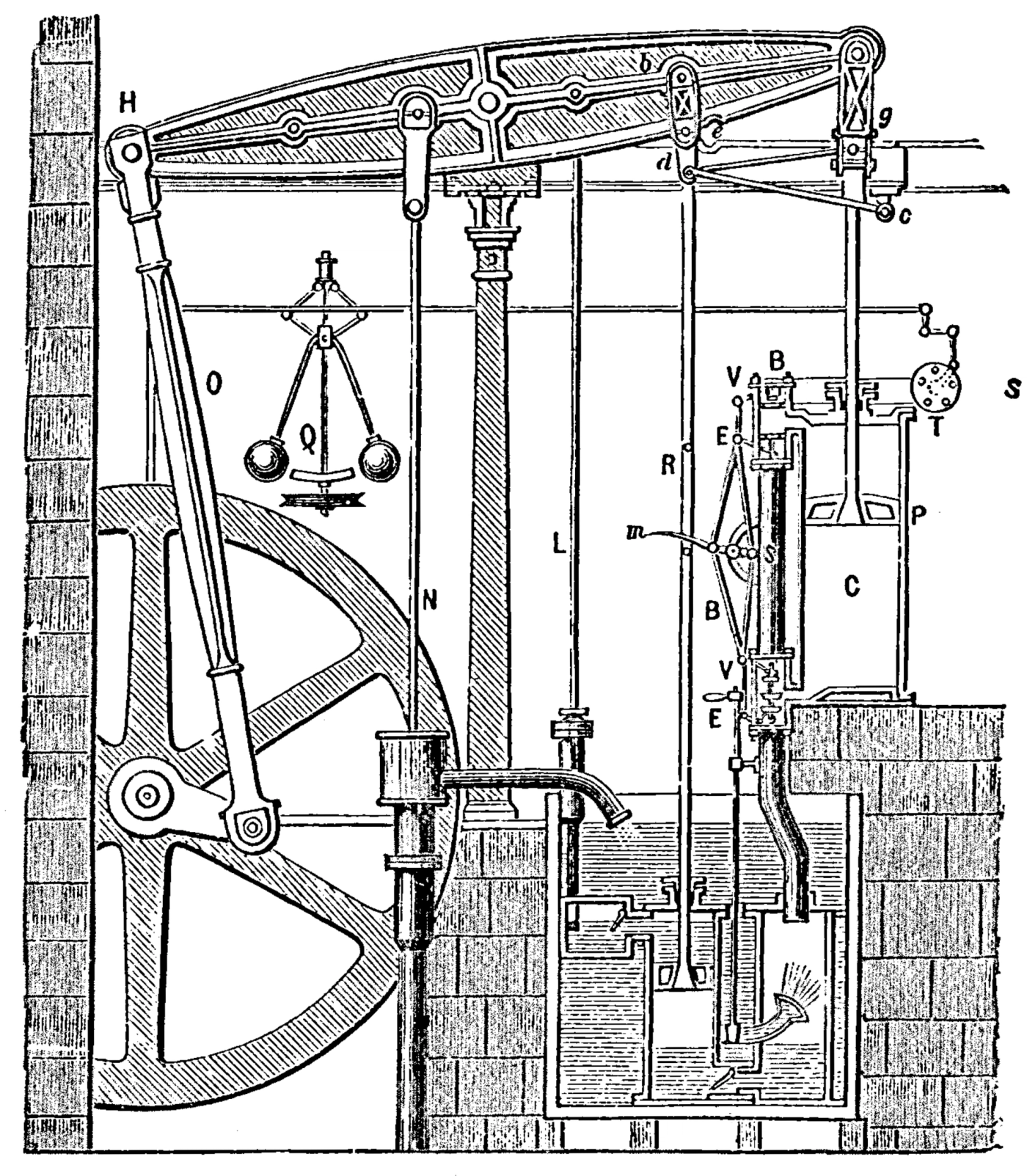
The double-acting engine created a mechanical problem of its own. A chain could carry the pull of a single-acting piston on the beam, but a chain cannot push, and Watt's first alternatives, toothed racks and sectors, were clumsy. In 1784 he found a better answer: an arrangement of linked rods, pivoted in opposite directions, in which one point moved up and down in very nearly a straight line while the end of the beam swung through an arc. Attached at that point, the piston rod could push and pull without being bent sideways. Watt wrote excitedly to Boulton at the end of June 1784 that he had glimpsed the method in a model and thought it one of the most ingenious simple mechanisms he had ever contrived. He later said he was "more proud of the parallel motion than of any other mechanical invention." The device was included in his patent of 1784 and first put into practice on the Whitbread engine, which Watt reported in October 1785 was working admirably. That engine performed well enough to receive a visit from King George III, which Watt described to his son in July 1787.[20]
The 1784 patent also described a steam carriage for ordinary roads, although Watt took no steps to build one. Murdoch, working in his spare hours in Cornwall, did build a small working model and tried it near Redruth that summer. Watt wanted him dissuaded, partly from fear of losing the firm's most valuable man and partly because he had nursed the idea himself for years. Two years later Watt was still hoping that Murdoch would confine himself to the business in hand. Watt was elected to the Royal Society of Edinburgh in 1784 and to the Royal Society of London in 1785.[21]
The Albion Mill
Boulton's boldest demonstration of the rotative engine was a great flour mill at Blackfriars, on the south bank of the Thames. He conceived it in 1783, when orders for rotative engines were coming in slowly, as a showcase that would persuade manufacturers everywhere. London investors were wary, so Boulton and Watt put up much of the money themselves, and when the company applied for a charter of incorporation in 1784, millers and mealmen opposed it so strongly, on the grounds that steam milling would throw wind and water mills out of work, that the charter was refused. Watt designed the double-acting engines, and a young Scottish engineer, John Rennie, designed the grinding and dressing machinery.[22]
The mill began working in the spring of 1786, and the first trials went badly enough that Boulton briefly lost faith in the double-acting engine. Watt, overloaded with Cornish work, refused to come to London and urged patience, reminding his partner that in new and complicated machines human foresight fell short. Murdoch was summoned from Cornwall and within a few weeks had the engines running properly. Watt was irritated by the crowds of fashionable visitors, and when he heard that its managers were considering a masquerade there, he asked Boulton, "What have Dukes, Lords, and Ladies ... to do with masquerading in a flour-mill?" In full operation the mill ground about 16,000 bushels of wheat in a six-day week, enough by Boulton's estimate to supply 150,000 people, but it was costly to build and to manage and never made a profit.[23]
The rotative engine was nevertheless taking hold. Orders arrived for a silk mill at Macclesfield, distilleries in Scotland, a paper mill at Hull, the grinding of plate glass, and sugar mills in the West Indies and America. In 1786 Watt accompanied Boulton to Paris to consider proposals for erecting engines in France under an exclusive privilege. He declined; a letter to his son the following February records his refusal to engage in any manufactures in France, and Bramwell later wrote that Watt judged the plan contrary to Britain's interests. At home he worried that the courts were turning against patents, and in 1785 rumours reached Watt of a combination of wealthy manufacturers raising money to challenge other valuable patents in the same way. In June 1786, just as the business was turning, he confided to his brother-in-law in Glasgow that he had seriously considered laying down a burden he felt unable to carry.[24]
1788
The money finally came. Until 1785 the profits from engines had been swallowed by new workshops, machinery, and debt, and Watt had drawn little more than his household expenses. In December 1787 Boulton arranged for £4,000 to be transferred to Watt's own account, with more to follow. The partners' positions then reversed. Boulton, who had sunk money in the Albion Mill, in Cornish mining ventures, and in unsold stocks of copper, found himself badly squeezed when credit tightened in 1788, while Watt, who had already sent his profits to Scotland, could not help him.[25]
That year the firm built an engine for Boulton's own works at Soho that gathered nearly all of Watt's improvements in a single machine. Known as the Lap Engine, it drove forty-three machines for polishing, or lapping, small metal goods, and it remained at work for seventy years. The Science Museum in London, where it is preserved, describes it as the oldest essentially unaltered rotative engine in the world and the first to be fitted with a centrifugal governor. The governor consisted of two weighted balls hung on arms from a spindle turned by the engine. As the engine sped up, the balls swung outward and partly closed a throttle valve in the steam pipe, and as it slowed they dropped and opened it again, so that the engine held its speed as its load changed.[26]
The governor's history is less tidy than its mechanism. Watt never patented it, and devices of the same kind were said to have been used earlier to regulate the gap between millstones. The engineer John Farey, writing in 1827, stated that the Whitbread engine of 1785 already had a governor, but the American Society of Mechanical Engineers, describing that engine, counts its flyball governor among later modifications. Frederick Bramwell, writing in the 1890s, said he could not determine when Watt first applied the device and judged that Watt had probably not invented it. By 1788, in any case, a Boulton and Watt engine could regulate itself.[27]
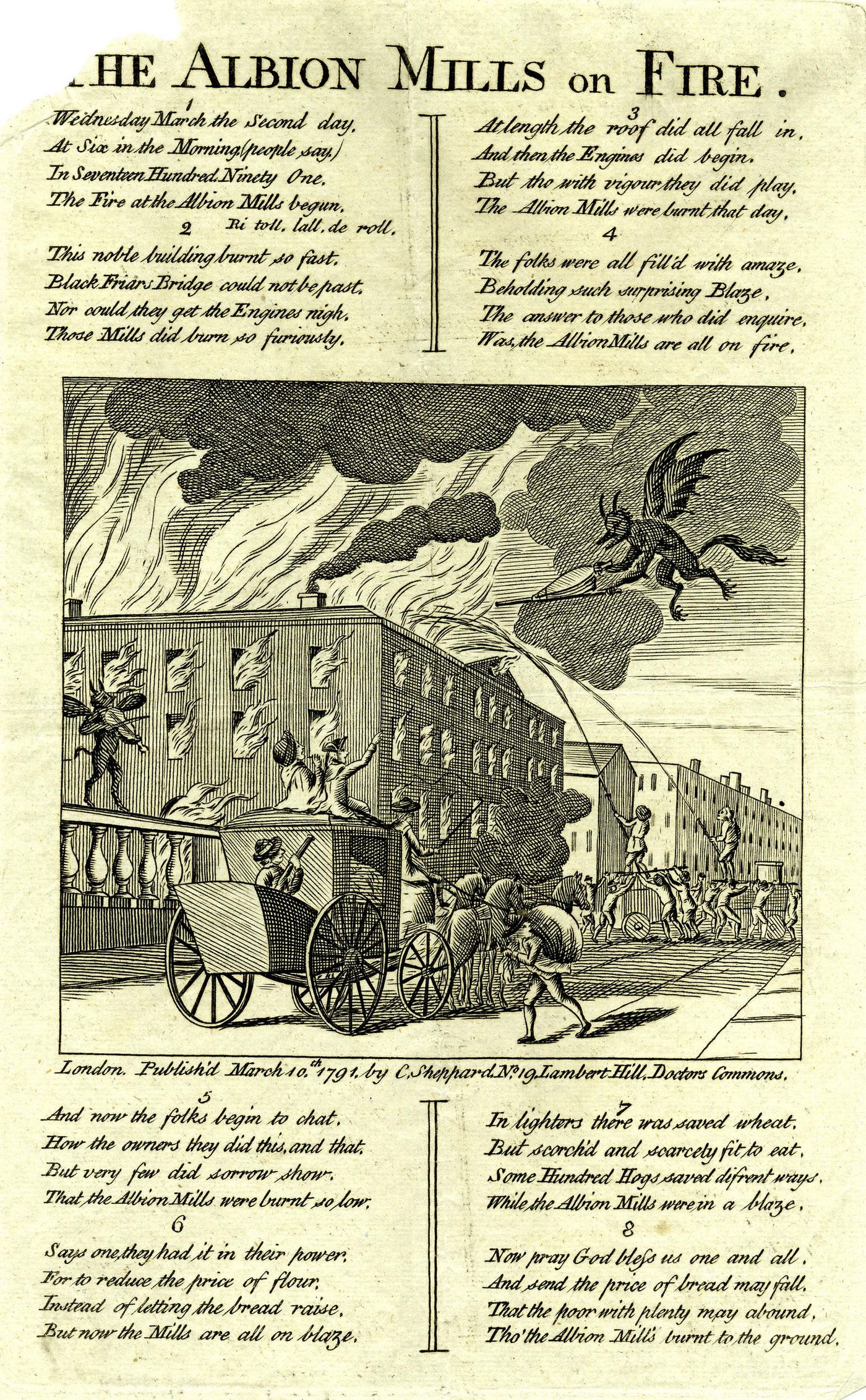
The Albion Mill was destroyed by fire in early March 1791; accounts date the blaze to the 2nd or the 3rd. Smiles attributed it to incendiaries who were never caught, but the cause was disputed, and Rennie thought a spark from the machinery more likely. The company's losses came to about £10,000, much of it borne by Boulton and Watt. By then it had served its purpose as an advertisement. By 1800, when the patent expired, the firm had built about 450 engines, more than half of them rotative.[28]
Conclusion: Different from All Others
The engine that emptied the flooded pit at Bloomfield in March 1776 was, in essence, a far more economical version of a machine that already existed. It still did a Newcomen engine's work, raising water. The engine that began driving Boulton's polishing machines at Soho in 1788 belonged to a different order. It pushed in both directions, turned a flywheel through gearing, guided its piston rod with linked levers, used its steam expansively, and governed its own speed.
The path between those two engines was neither straight nor smooth. It depended on Wilkinson's boring mill, on Cornish coal prices that made economy worth paying for, on Boulton's borrowing and his faith in markets that Watt doubted, and on Murdoch and other workmen who built and rebuilt engines far from Birmingham. It also depended on a monopoly that the partners defended jealously and that critics, then and since, have seen as a brake on the ingenuity of others. Watt himself spent much of the period convinced that the enterprise would fail, even as it succeeded.
The word that came to name the age once meant something more personal. Latin industria meant diligence, activity, and zeal, and when English borrowed it in the fifteenth century it first described a quality of people, their skill or habitual effort, before acquiring the sense of a particular trade or manufacture. Watt's engine gave that older meaning a new twist, supplying a kind of tireless effort that had previously come from people, horses, wind, and falling water. Its effect on the economy as a whole, however, came slowly. The economic historian Nicholas Crafts has estimated that steam contributed little to British growth before 1830 and had its greatest impact about a century after Watt's invention, once high-pressure engines came into wide use after 1850. What the years from 1776 to 1788 produced was the capacity for that change rather than the change itself: an engine that could drive machinery wherever coal could be carried.[29]
In February 1776, before the Bloomfield engine had made its first stroke, Boulton had written of building fifty rotative engines a year. By 1788 the machine stood in Boulton's own works, turning shafts and regulating its own pace. The report from Bloomfield had said that the new engines worked on principles very different from all others. Twelve years later that was true in a sense its writer could hardly have imagined.
Places in this Story
The places this story moves through, in order — follow them on the interactive map →
- Bloomfield Colliery, Tipton, Staffordshire March 8, 1776
A Boulton and Watt pumping engine empties a flooded pit in under an hour, reportedly using a quarter of the fuel of an ordinary engine.
- Bersham Ironworks, near Wrexham, Wales 1776
John Wilkinson's boring mill bores the accurate cylinders that Watt's engine depends on.
- Broseley, Shropshire Early 1776
Watt supervises the erection of the first engine made at Soho, built to blow the bellows of Wilkinson's ironworks.
- Stratford-le-Bow, London Spring 1777
John Smeaton inspects the Bow distillery engine and judges it a pretty engine but too complex for practical use.
- Wheal Busy, near Chacewater, Cornwall September 1777
The first Boulton and Watt engine in Cornwall starts work, burning about a third as much coal as the old engines. "All the world are agape," Watt writes.
- Truro, Cornwall Autumn 1778
Boulton borrows £2,000 from Truro bankers and settles terms with Cornish mine owners, including £700 a year for Chacewater.
- Ketley, Shropshire Late 1782
One of the earliest rotative engines is made for Mr. Reynolds of Ketley to drive a corn mill.
- Redruth, Cornwall Summer 1784
William Murdoch tries his small working model of a steam carriage near Redruth.
- Whitbread Brewery, Chiswell Street, London 1785
The Whitbread engine is the first to use Watt's parallel motion. King George III later visits to see it at work.
- Albion Mill, Blackfriars, London Spring 1786
Boulton and Watt's great steam flour mill begins working; in full operation it grinds about 16,000 bushels of wheat a week.
- Paris, France 1786
Watt accompanies Boulton to Paris to consider building engines in France under an exclusive privilege, and declines.
- Soho Manufactory, Handsworth, Birmingham 1788
The Lap Engine, combining nearly all of Watt's improvements and fitted with a centrifugal governor, drives forty-three polishing machines at Boulton's works.
Frequently Asked Questions
Did James Watt invent the steam engine?
No. Thomas Newcomen's atmospheric engine had been pumping water out of British mines since early in the eighteenth century. What James Watt invented was the separate condenser, patented in 1769, which condensed steam in a cold vessel apart from the cylinder and cut fuel use sharply. Between 1781 and 1784 he added the sun-and-planet gear, the double-acting engine, and the parallel motion, turning a mine pump into an engine that could drive machinery.
Who was Matthew Boulton?
Matthew Boulton was a Birmingham manufacturer of buttons and other small metal goods whose Soho works became the home of the steam engine business. He took over a two-thirds share in James Watt's patent when Watt's first backer, John Roebuck, failed, and their partnership began in 1775. Boulton raised the loans that kept the firm alive, negotiated with Cornish mine owners, and pushed Watt to develop rotative engines for mills.
How long did James Watt's steam engine patent last?
Watt's patent on the separate condenser, granted in 1769, was extended by an act of Parliament in 1775 to run until 1800, giving Boulton and Watt twenty-five years of legal protection. Edmund Burke spoke against the extension, and it remains debated. Some economists argue the monopoly held back rival inventors, while others counter that it did not delay the development of high-pressure steam.
How did Boulton and Watt make money from their steam engines?
Boulton and Watt earned most of their income not from building engines but from a premium equal to one-third of the value of the coal each engine saved compared with a Newcomen engine doing the same work. A locked counter recorded every stroke of the beam to measure the work done. In Cornwall, where mine owners constantly pressed for lower payments, the arrangement led to years of disputes.
Where does the term horsepower come from?
Horsepower comes from James Watt's need to rate his engines for mill owners who used horses rather than older steam engines. By one nineteenth-century account, Watt estimated that a horse could raise 22,000 pounds one foot in a minute, then increased the figure by half to 33,000 foot-pounds a minute so that no customer could complain of being shortchanged. That figure is still the standard definition of one mechanical horsepower.
What was the Albion Mill?
The Albion Mill was a steam-powered flour mill at Blackfriars in London, built by Boulton and Watt as a showcase for their double-acting rotative engine. It began working in the spring of 1786 and in full operation ground about 16,000 bushels of wheat a week, enough by Boulton's estimate to supply 150,000 people. It never made a profit and was destroyed by fire in March 1791.
Did James Watt invent the centrifugal governor?
Probably not. Watt never patented the centrifugal governor, and similar devices had been used earlier to regulate the gap between millstones. He did apply it to the steam engine: the Lap Engine built for Boulton's Soho works in 1788, now in the Science Museum in London, is described as the first engine fitted with one. Its spinning weights opened and closed a throttle valve to hold the engine's speed steady.
Bibliography
American Society of Mechanical Engineers. "Boulton & Watt Rotative Steam Engine." ASME Landmark no. 111. Accessed October 14, 2026. https://www.asme.org/about-asme/engineering-history/landmarks/111-boulton-watt-rotative-steam-engine.
Boldrin, Michele, and David K. Levine. Against Intellectual Monopoly. Cambridge: Cambridge University Press, 2008. Chapter 1, "Introduction." Cambridge Core. Accessed October 4, 2026. https://www.cambridge.org/core/product/identifier/CBO9780511510854A007/type/BOOK_PART.
Bramwell, Frederick J. "Watt, James (1736–1819)." In Dictionary of National Biography, edited by Sidney Lee, vol. 60. London: Smith, Elder, 1899. Wikisource. Accessed October 4, 2026. https://en.wikisource.org/wiki/Dictionary_of_National_Biography,_1885-1900/Watt,_James_(1736-1819).
Chrimes, Mike. "Albion Mill." John Rennie, Rochester Bridge Trust. Accessed October 14, 2026. https://rbt.org.uk/john-rennie/projects/albion-mill/.
Cornwall and West Devon Mining Landscape World Heritage Site. "Engineers and Inventors: Overview." Learning resource, Theme 3b. Accessed October 4, 2026. https://cdn.cornishmining.org.uk/media/Resources/Learning%20Content%20PDFs/Cornish_Mining_WHS_Theme_3b_Engineers_and_inventors.pdf.
Crafts, Nicholas. "Steam as a General Purpose Technology: A Growth Accounting Perspective." Economic Journal 114, no. 495 (2004): 338–51. https://ideas.repec.org/a/ecj/econjl/v114y2004i495p338-351.html.
Farey, John. A Treatise on the Steam Engine: Historical, Practical, and Descriptive. London: Longman, Rees, Orme, Brown, and Green, 1827. Internet Archive. Accessed October 14, 2026. https://archive.org/details/treatiseonsteame01fareuoft.
Grace's Guide to British Industrial History. "Bloomfield Colliery." Accessed October 4, 2026. https://www.gracesguide.co.uk/Bloomfield_Colliery.
Hills, Richard L. James Watt. Vol. 2, The Years of Toil, 1775–1785. Ashbourne: Landmark Publishing, 2005.
Kingsford, Peter W. "James Watt." Encyclopaedia Britannica. Last updated September 30, 2026. Accessed October 4, 2026. https://www.britannica.com/biography/James-Watt.
Miller, David Philip, and Debbie Rudder. "A 'Revolver' Evolving: The Careers of a Boulton & Watt Rotative Steam Engine at the Whitbread Brewery, London and the Powerhouse Museum, Sydney, 1784–2020." International Journal for the History of Engineering & Technology 89, nos. 1–2 (2019): 238–63. https://doi.org/10.1080/17581206.2020.1782619.
Moher, Jim. "John Rennie and the Albion Mills (1784–91)." Mills Archive, December 6, 2021. Accessed October 14, 2026. https://new.millsarchive.org/2021/12/06/john-rennie-and-the-albion-mills-1784-91/.
Muirhead, James Patrick, ed. The Origin and Progress of the Mechanical Inventions of James Watt. 3 vols. London: John Murray, 1854. Vol. 2, Extracts from Correspondence. Internet Archive. Accessed October 14, 2026. https://archive.org/details/india.history.resource.111621.
Online Etymology Dictionary. "Industry." Edited by Douglas Harper. Accessed October 4, 2026. https://www.etymonline.com/word/industry.
Robinson, Eric. "Matthew Boulton and the Art of Parliamentary Lobbying." Historical Journal 7, no. 2 (1964): 209–29.
Science Museum Group. "Model, Scale 1:12 of Bersham Boring Mill 1775." Science Museum Group Collection. Accessed October 4, 2026. https://collection.sciencemuseumgroup.org.uk/objects/co46455/model-scale-1-12-of-bersham-boring-mill-1775.
Science Museum Group. "Rotative Steam Engine by Boulton and Watt, 1788." Science Museum Group Collection. Accessed October 4, 2026. https://collection.sciencemuseumgroup.org.uk/objects/co50948/rotative-steam-engine-by-boulton-and-watt-1788-beam-engine-steam-engine.
Science Museum Group. "Rotative Steam Engine by Boulton and Watt." Google Arts & Culture. Accessed October 4, 2026. https://artsandculture.google.com/asset/rotative-steam-engine-by-boulton-and-watt-james-watt/VAH-Fdgk2XLFHQ.
Selgin, George, and John L. Turner. "Strong Steam, Weak Patents, or the Myth of Watt's Innovation-Blocking Monopoly, Exploded." Journal of Law and Economics 54, no. 4 (2011): 841–61. https://doi.org/10.1086/658495.
Smiles, Samuel. Lives of Boulton and Watt. London: John Murray, 1865. Transcribed by Grace's Guide to British Industrial History, chapters 12, 13, 15, 16, and 17. Accessed October 4, 2026. https://www.gracesguide.co.uk/Lives_of_Boulton_and_Watt_by_Samuel_Smiles.
Tann, Jennifer, ed. The Selected Papers of Boulton and Watt. Vol. 1, The Engine Partnership, 1775–1825. Cambridge, MA: MIT Press, 1981.
Tann, Jennifer. "Watt, James (1736–1819), Engineer and Scientist." In Oxford Dictionary of National Biography. Oxford: Oxford University Press, 2004; online ed., 2013. https://doi.org/10.1093/ref:odnb/28880.
Citations
- Grace's Guide, "Bloomfield Colliery," quoting a report datelined Birmingham, March 11, 1776, in the Chester Chronicle, March 14, 1776. The report's "Friday last" was March 8, 1776. ↑
- Bramwell, "Watt, James"; Boldrin and Levine, Against Intellectual Monopoly, chap. 1; Selgin and Turner, "Strong Steam, Weak Patents"; Robinson, "Matthew Boulton and the Art of Parliamentary Lobbying," 209. See also Tann, "Watt, James (1736–1819)." ↑
- Science Museum Group, "Model, Scale 1:12 of Bersham Boring Mill 1775"; Smiles, Lives of Boulton and Watt, chap. 12. ↑
- Smiles, Lives of Boulton and Watt, chap. 12, citing Boulton to Watt, February 24, 1776, printed in Muirhead, Origin and Progress, vol. 2, no. 154. ↑
- Smiles, Lives of Boulton and Watt, chap. 12, citing Boulton to Watt, April 23, 1776. ↑
- Smiles, Lives of Boulton and Watt, chap. 12, citing Watt to Boulton, July 3, 8, and 28, 1776. ↑
- Smiles, Lives of Boulton and Watt, chap. 12, citing Robert Hart's reminiscences of Watt. ↑
- Smiles, Lives of Boulton and Watt, chap. 13, quoting Ann Watt to Anne Boulton, September 1, 1777. ↑
- Smiles, Lives of Boulton and Watt, chap. 13, citing Watt to Boulton, September 13, 1777. The Cornwall and West Devon Mining Landscape World Heritage Site, "Engineers and Inventors," dates the first Boulton and Watt engine in Cornwall to 1778, whereas Watt's letters place the start of the Wheal Busy engine in September 1777. ↑
- Smiles, Lives of Boulton and Watt, chap. 13, citing Watt to Boulton, August 25, 1777, and October 16, 1779. See also Hills, James Watt, vol. 2; and Tann, Selected Papers of Boulton and Watt, vol. 1, which prints the firm's papers on premiums and customer disputes. ↑
- Smiles, Lives of Boulton and Watt, chaps. 13 and 16; Cornwall and West Devon Mining Landscape World Heritage Site, "Engineers and Inventors." See also Hills, James Watt, vol. 2. ↑
- Smiles, Lives of Boulton and Watt, chaps. 13 and 15, the latter citing Watt to Boulton, June 21, 1781. See also Hills, James Watt, vol. 2. ↑
- Smiles, Lives of Boulton and Watt, chap. 13. Smiles had the story of the hat from Murdoch's son. ↑
- Smiles, Lives of Boulton and Watt, chap. 15; Bramwell, "Watt, James." Pickard's patent was dated August 23, 1780. Watt's complaint "On the betrayal of the scheme of the crank," Watt to Boulton, April 2, 1781, is printed in Muirhead, Origin and Progress, vol. 2, no. 189. See also Hills, James Watt, vol. 2. ↑
- Smiles, Lives of Boulton and Watt, chap. 15 and n. 30, citing Boulton to Watt, June 21, 1781; Bramwell, "Watt, James." ↑
- Smiles, Lives of Boulton and Watt, chap. 15, citing Watt to Boulton, July 16 and 19, 1781; Bramwell, "Watt, James." ↑
- Smiles, Lives of Boulton and Watt, chap. 16. ↑
- Bramwell, "Watt, James." ↑
- Smiles, Lives of Boulton and Watt, chap. 16. ↑
- Bramwell, "Watt, James"; Smiles, Lives of Boulton and Watt, chap. 16 and n. 19, and chap. 17, citing Watt to Boulton, June 30, 1784, printed in Muirhead, Origin and Progress, 2:191; Watt to James Watt Jr., July 1, 1787, in Muirhead, Origin and Progress, 2:218. Smiles does not date the remark about being "more proud" of the parallel motion. ↑
- Bramwell, "Watt, James"; Smiles, Lives of Boulton and Watt, chap. 16 and n. 22, citing Watt to Boulton, September 12, 1786, printed in Muirhead, Origin and Progress, 2:210; Kingsford, "James Watt." See also Tann, "Watt, James (1736–1819)." ↑
- Smiles, Lives of Boulton and Watt, chap. 17. ↑
- Smiles, Lives of Boulton and Watt, chap. 17, citing Watt to Boulton, March 10 and April 17, 1786. ↑
- Smiles, Lives of Boulton and Watt, chap. 17, citing Watt to Boulton, July 21, 1785, and Watt to Gilbert Hamilton, June 18, 1786, printed in Muirhead, Origin and Progress, 2:209; Watt to James Watt Jr., February 1, 1787, in Muirhead, Origin and Progress, 2:214; Bramwell, "Watt, James." ↑
- Smiles, Lives of Boulton and Watt, chap. 17, citing Boulton to Matthews, December 7, 1787, and Boulton to Wilson, May 4, 1788. ↑
- Science Museum Group, "Rotative Steam Engine by Boulton and Watt, 1788"; Smiles, Lives of Boulton and Watt, chap. 16. ↑
- Farey, Treatise on the Steam Engine, 437, as quoted in Bramwell, "Watt, James"; American Society of Mechanical Engineers, "Boulton & Watt Rotative Steam Engine." On the engine's history from its installation in 1785 to its preservation in Sydney, see Miller and Rudder, "A 'Revolver' Evolving." ↑
- Smiles, Lives of Boulton and Watt, chap. 17; Moher, "John Rennie and the Albion Mills"; Chrimes, "Albion Mill"; Science Museum Group, "Rotative Steam Engine by Boulton and Watt" (Google Arts & Culture). ↑
- Online Etymology Dictionary, s.v. "industry"; Crafts, "Steam as a General Purpose Technology," 338. ↑