On Saturday, February 6, 1796, the delegates to Tennessee's first constitutional convention met for the last time in the office of David Henley, the War Department's agent in the territory. The site, at what is now the corner of Gay Street and Church Avenue, lies in the heart of downtown Knoxville. J. G. M. Ramsey, who published a detailed history of the period in 1853, described it as a small building then in the outer part of town, still surrounded by trees of the old forest, and later used as a schoolhouse. The convention's expense estimate shows how plain the setting was: ten dollars for seats, and two dollars and sixty-two cents for three and a half yards of oilcloth to cover the tables of the president and the secretary.[1] That day, after twenty-seven days of work, the engrossed copy of a constitution was read and passed unanimously, and the new state took the name of its principal river, Tennessee.[2]
Among the fifty-five delegates was John Tipton of Washington County. Eight years earlier, Tipton had held his house on Sinking Creek against a besieging force led by John Sevier, governor of the unrecognized State of Franklin. Sevier was not a delegate, but about seven weeks after the convention adjourned he took the oath of office as Tennessee's first governor.[3] Tennessee's statehood is dated to June 1, 1796, when President George Washington signed the act of admission, but that signature closed a twelve-year struggle that began in 1784 with the failed experiment called Franklin. The settlers first tried to create a state by declaring one and failed; a decade later they succeeded through the federal system. The difference lay partly in the consent of North Carolina and partly in the federal machinery for making new states that had taken shape in the meantime. The road between the two attempts ran through a rebellion, an armed clash between neighbors, and years of bloodshed with the Cherokees.
A Cession and a Revolt
At the end of the Revolution, the country west of the Appalachians belonged to North Carolina, which had organized its settlements on the Watauga and Nolichucky Rivers as Washington County in 1777. The Confederation Congress had almost no power to raise revenue, and it urged the states to cede their western claims so that land sales could help fund the national government. North Carolina at first went the other way. In 1783 its legislature reopened the state land office and put nearly all of the trans-Appalachian country up for sale, on the theory that the Cherokees had forfeited their claims by siding with Britain. Insiders who knew the law was coming, including many prominent legislators, quickly claimed more than four million acres in what became known as the "Great Land Grab." With their titles secure, many then supported ceding the western lands to Congress. In the spring of 1784 the legislature passed a cession act on the condition that existing land titles would remain valid.[4]
Word of the cession reached the west that summer. In late August 1784, delegates from Washington, Sullivan, and Greene Counties met at Jonesborough, chose John Sevier as their president, and moved toward forming a new state.[5] Sevier, a hero of Kings Mountain and a veteran Indian fighter, was the most popular man in the region. The cession did not last. According to the historian Michael Toomey, resentment of the land grab helped voters turn out much of the speculating interest in the 1784 elections, and in November the new legislature repealed the act.[6] News crossed the mountains so slowly that when a second western convention met in December and adopted a provisional constitution for the "State of Franklin," with a declaration of independence from North Carolina, the delegates did not know the cession had already been withdrawn. Their movement was now, technically, a rebellion.[7]
The State of Franklin
The separatists pressed on. Franklin's first general assembly met in March 1785, elected Sevier governor, and sent a memorial to Congress asking for admission to the Union.[8] On March 22 the assembly answered a letter from North Carolina's governor, Alexander Martin, with a list of grievances. The westerners complained that they had been taxed to support a government whose benefits they never received, and that their lands, lying "five hundred miles from trade," were taxed at the same rate as land on the seacoast. They charged that leading members of the North Carolina assembly had called the western people "the off scourings of the Earth." They also pointed to geography: they were divided from the rest of the state by "high & almost impasable Mountains." Whether the westerners had deserted North Carolina, or North Carolina had deserted them, they left to "the impartial World" to decide.[9]
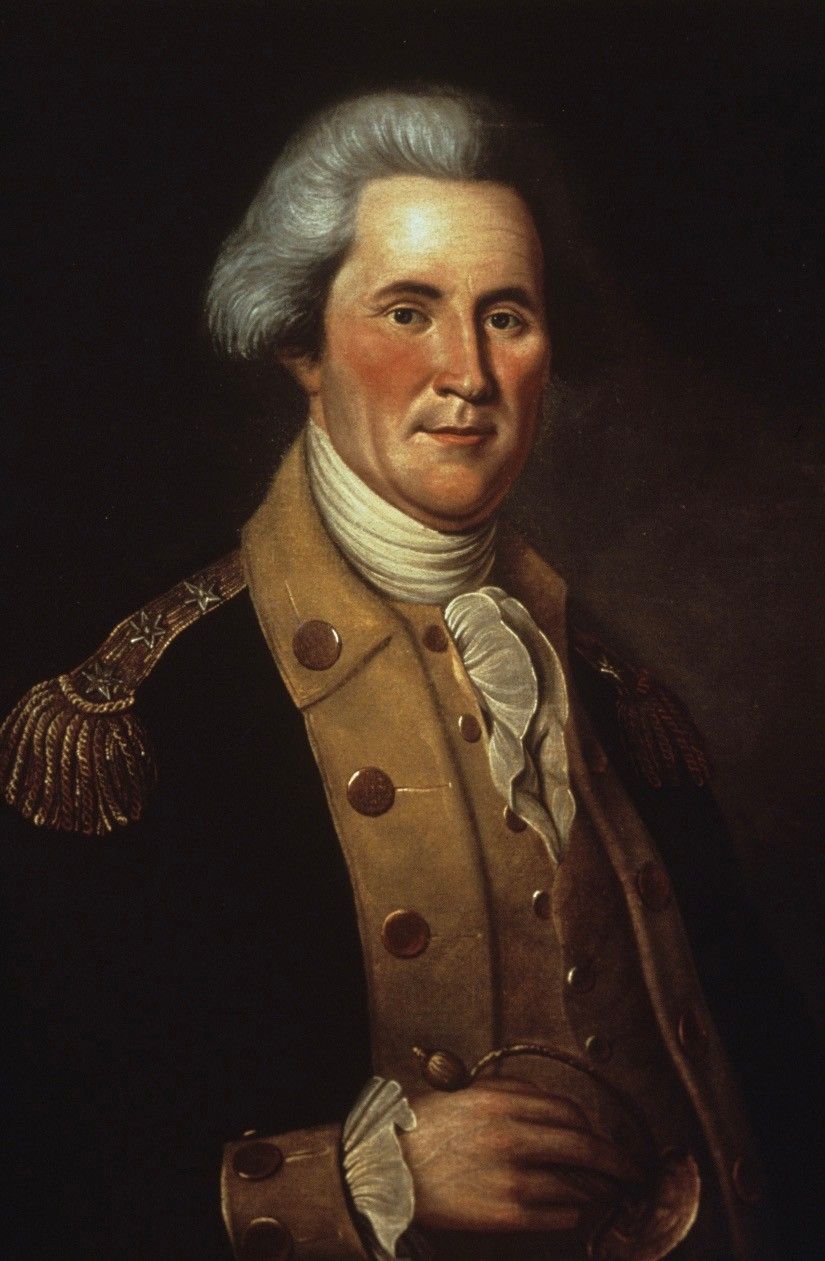
Martin replied with a manifesto issued at Hillsborough on April 25, 1785. He denied that the westerners had any right to separate without the legislature's consent and warned that their example would invite every county to break away over any grievance. He urged the veterans of Kings Mountain not to tarnish their laurels and dismissed their government as "a mock Government without the essentials, the shadow without the substance." If no other remedy worked, he declared, North Carolina would regain the revolted territory or "render it not worth the possessing."[10]
Franklin's hope of admission rested on Congress, where a motion to accept North Carolina's original cession fell short of the nine state votes required.[11] Franklin nonetheless functioned. Its leaders created new counties and, after debating a permanent "Holston Constitution" in November 1785, kept North Carolina's constitution as their working frame of government. They also set up a barter system so that taxes could be paid in goods.[12] Ramsey examined a Franklin commission and found that its seal was a small wafer covered with common paper. He also wrote that, with no printing press nearer than Richmond, New Bern, or Charleston, Franklin's laws were never printed and were read aloud instead at county courts and militia musters.[13]
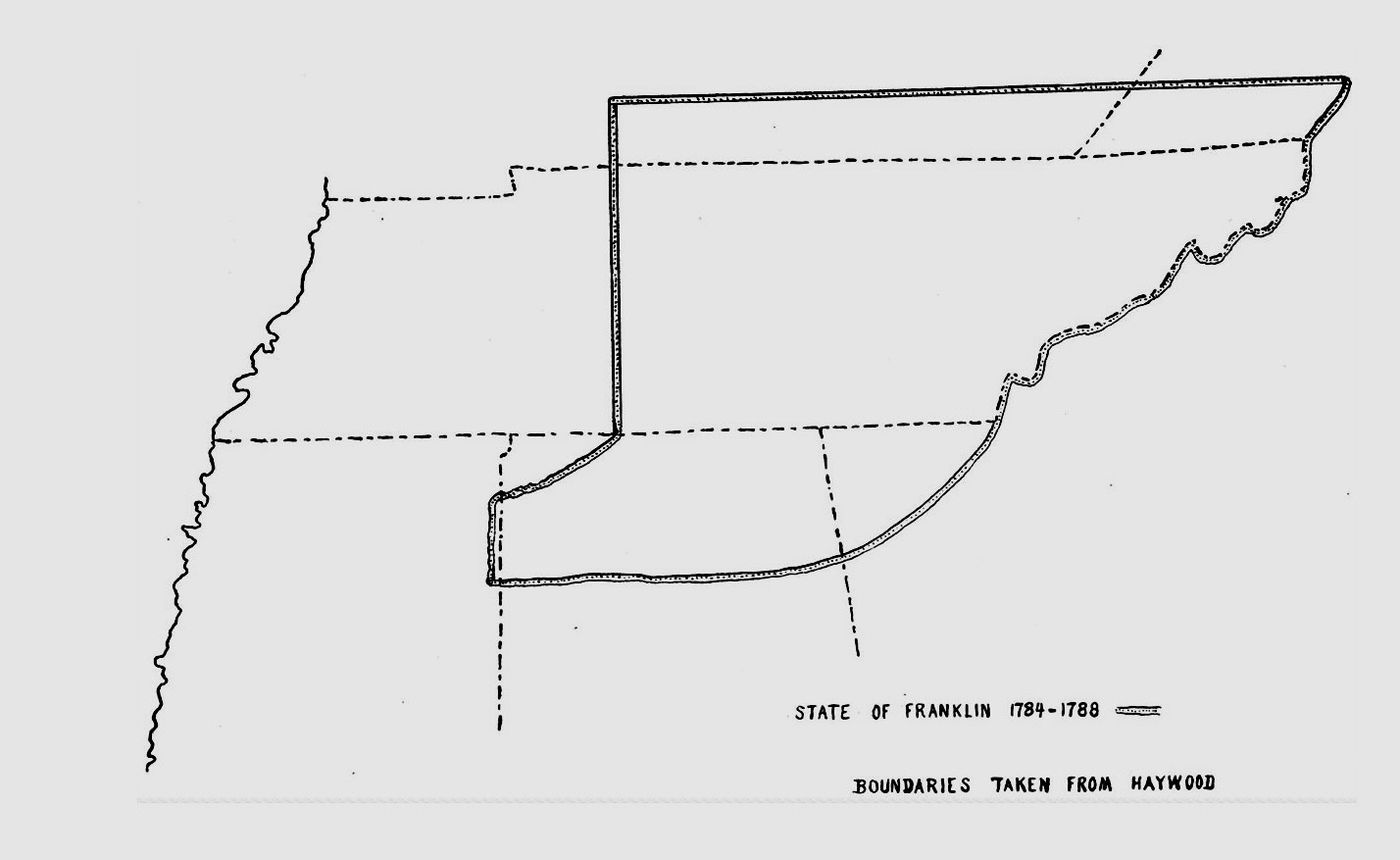
Land, Treaties, and Two Governments
Much of Franklin's brief history turned on Cherokee land. In June 1785 Sevier and other Franklin commissioners negotiated the Treaty of Dumplin Creek with several Cherokee chiefs, who ceded a tract south of the French Broad River inside a reservation North Carolina had set aside for the Cherokees in 1783.[14] In November 1785 commissioners of Congress concluded the Treaty of Hopewell with a larger Cherokee delegation, whose boundary conflicted with the Dumplin Creek cession and left Greeneville, soon to be Franklin's capital, on the Cherokee side of the line. Fighting soon followed. Franklin's militia defeated the Cherokees and in August 1786 compelled them to sign the Treaty of Coyatee, which opened land as far south as the Little Tennessee River.[15] Convinced that Congress would not defend them, the Franklinites also opened talks with Spanish officials, which came to nothing.[16]
North Carolina, for its part, chose patience over force. When the legislature repealed the cession, it also created a new judicial district and militia brigade for the west and named Sevier its brigadier general. Richard Caswell, who succeeded Martin as governor, kept to a conciliatory course, and the legislature added more counties and courts there.[17] In August 1786 John Tipton of Washington County emerged as the leader of those who wished to remain with North Carolina, and his contest with Sevier soon became a personal feud. North Carolina offered pardons and forgave two years of back taxes. Support for Franklin faded everywhere except south of the French Broad, where settlers depended on Franklin's treaty for their land titles and on its aggressive Indian policy for their safety.[18] In the spring of 1787, Sevier and his friend Evan Shelby, now North Carolina's militia commander in the district, agreed that settlers could choose whether to pay their taxes to North Carolina or to Franklin.[19]
In April and again in November 1787 Sevier wrote to Benjamin Franklin, the statesman for whom the state had been named, and both letters survive among Franklin's papers at the American Philosophical Society.[20] Franklin had also heard from William Cocke, another of the movement's leaders. According to the Tipton-Haynes State Historic Site, he replied to Cocke that he understood the new state to be called Frankland and wished it well, but he offered no endorsement.[21] That same year the Constitutional Convention wrote into Article IV of the federal Constitution a rule barring any new state within an existing state's jurisdiction without the consent of that state's legislature and of Congress. The last legislature of Franklin met at Greeneville in 1787.[22]
Snow at Tipton's House
The end came over a debt. Late in 1787 a writ of execution, a court order to seize property to satisfy a judgment, was issued against Sevier's estate. Judge John Haywood, whose history of early Tennessee first appeared in 1823, wrote that early in 1788 Jonathan Pugh, North Carolina's sheriff for Washington County, seized all or most of the people Sevier held in slavery and took them for safekeeping to Tipton's house on Sinking Creek, eight or ten miles east of Jonesborough. By Haywood's account, Sevier raised about 150 men and marched on the house, where Tipton had no more than fifteen defenders. When Sevier demanded surrender, Tipton reportedly sent word that he should "fire and be damned."[23] A written summons from Sevier survives among North Carolina's state records. Dated "State of Franklin, February 27, 1788," it called on Tipton and his party to surrender within thirty minutes of the arrival of the flag of truce.[24]
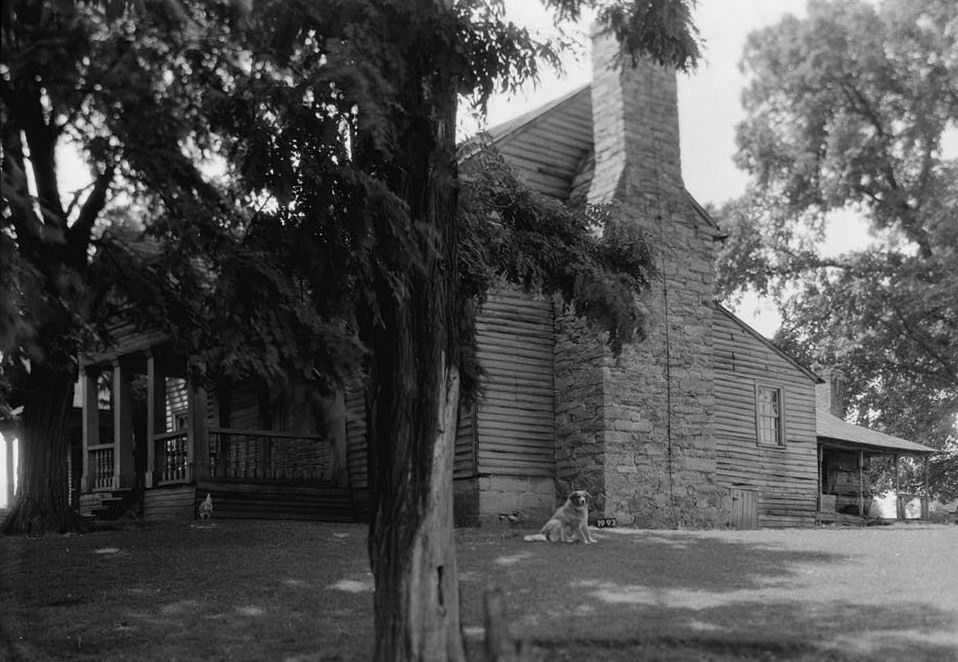
The siege lasted a few days in bitter cold. Tipton sent to Sullivan County for help, and Haywood wrote that one morning at daybreak, in a heavy snowfall, Colonel Maxwell arrived with about 180 men, fired a volley, and raised a shout, and the defenders rushed out of the house to attack the besiegers. Sevier's men broke and fled. Sheriff Pugh was mortally wounded, and two of Sevier's sons were taken prisoner. Haywood recorded that Tipton meant to hang them, but men of his own party reminded him of his own sons, and he wept and relented.[25] Accounts of the date differ. Haywood gave February 3, but Ramsey, working from a dispatch Sevier wrote on February 15 and a letter Tipton wrote on February 25, placed the fight around February 28. The surviving summons shows the siege already under way by February 27, and the Tipton-Haynes State Historic Site, on Tipton's old farm, dates the siege to February 27 to 29. Haywood wrote decades after the event, and the details of the fighting rest largely on his account.[26] One of the besieged, a Dr. Taylor of Carter County, later insisted that neither side meant to kill: Tipton's men shot into the air, Sevier's at the corners of the house.[27] The casualties were few, and Haywood wrote that the government of Franklin came to an end with this battle. Under its constitution Sevier's term expired on March 1, 1788, and Franklin's legislature never met again.[28]
In the spring and summer of 1788 Sevier led volunteers against Cherokee towns after a series of frontier killings, among them eleven members of the Kirk family near Little River. During one campaign, while Sevier was away from camp, several Cherokee men who had come in under a flag were shut in a house and killed one by one with a tomahawk by Kirk's son. Among them was the Cherokee leader known as Old Tassel. Haywood, who defended Sevier's own conduct, called the killing a deed of "superlative atrocity, perfidy, cowardice, and inhumanity."[29] In July, Governor Samuel Johnston of North Carolina authorized Sevier's arrest for high treason. Later that year Tipton and a small party found him at the house of a widow named Brown, who sat down in her doorway to keep them out. Sevier surrendered to Colonel Robert Love, was taken to Jonesborough and handcuffed on Tipton's orders, and was sent under guard across the mountains to Morganton.[30]
The sources tell the story of Sevier's escape differently. In Haywood's account, friends in Burke County stood surety for Sevier, and his sons and a few companions rode off with him toward the mountains at night. In a more dramatic version that Ramsey took from a manuscript by William Smith, a friend interrupted Sevier's trial by asking the judge whether he was done with that man, and in the confusion Sevier leaped onto his racing mare at the courthouse door and galloped away. However he left Morganton, Sevier was never brought back for trial, and North Carolina let the case drop.[31]
Back to North Carolina
Even before Sevier's arrest, General Joseph Martin, who now commanded North Carolina's militia west of the mountains, urged the Franklin men to submit to North Carolina's laws without further bloodshed; his object, he wrote in March 1788, was "reconciliation, not war."[32] In April the Methodist bishop Francis Asbury reached the head of the Watauga and noted in his journal that the people were "in disorder about the Old and New State," and that two or three men had been killed.[33] Only the settlers south of the French Broad, whose land claims rested on Franklin's treaty, held out, forming a "Lesser Franklin" association that in January 1789 petitioned North Carolina for protection.[34]
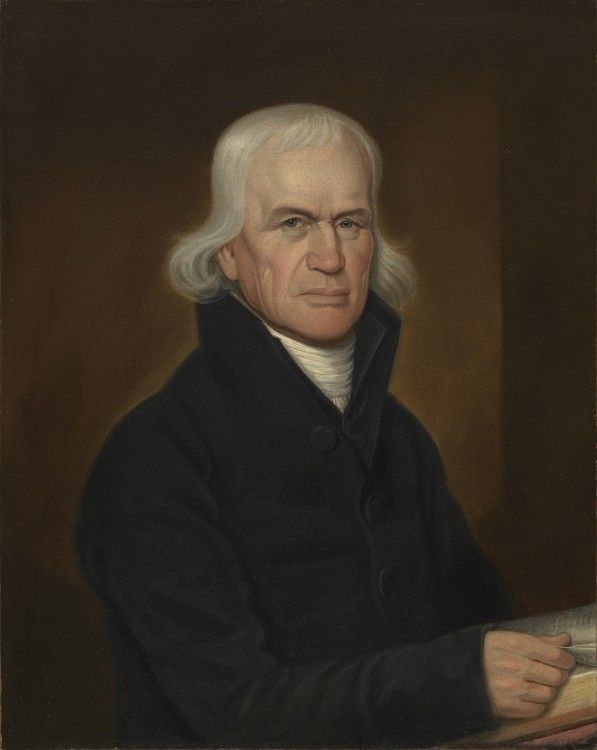
Sevier made his own peace. In February 1789 he took an oath of allegiance to North Carolina, and that August he was elected to the state legislature, where North Carolina allowed him to sit for Greene County, the home of Franklin's former capital.[35] The state also restored his rank as brigadier general.[36] North Carolina now had its own reasons to let the west go. Its treasury was nearly empty, and it faced an assessment for its share of the Revolutionary debt. The historian Walter T. Durham writes that the assessment was tied to the state's land, so that ceding territory would reduce it. (Under the Articles of Confederation, shares had been based on the value of granted land and improvements.) Many eastern North Carolinians were also glad to shed the cost of defending distant settlements. On December 22, 1789, North Carolina ceded its western lands to the United States a second time.[37] This time the cession held.
The Territory South of the River Ohio
On May 26, 1790, Congress created the Territory of the United States South of the River Ohio, usually called the Southwest Territory. It was to be governed under the Northwest Ordinance of 1787 with one significant exception: slavery, forbidden north of the Ohio, was permitted here. Under the ordinance, settlers could elect the lower house of a legislature once there were 5,000 free adult men, and the territory could seek statehood once it had 60,000 free inhabitants. Sevier was probably the westerners' choice for governor, but Washington appointed William Blount, a North Carolina businessman, legislator, and former delegate to the Continental Congress who, with his brothers, claimed roughly a million acres inside the territory.[38] Blount was also superintendent of Indian affairs for the southern tribes, which put one of the region's largest land speculators in charge of Indian diplomacy.[39]
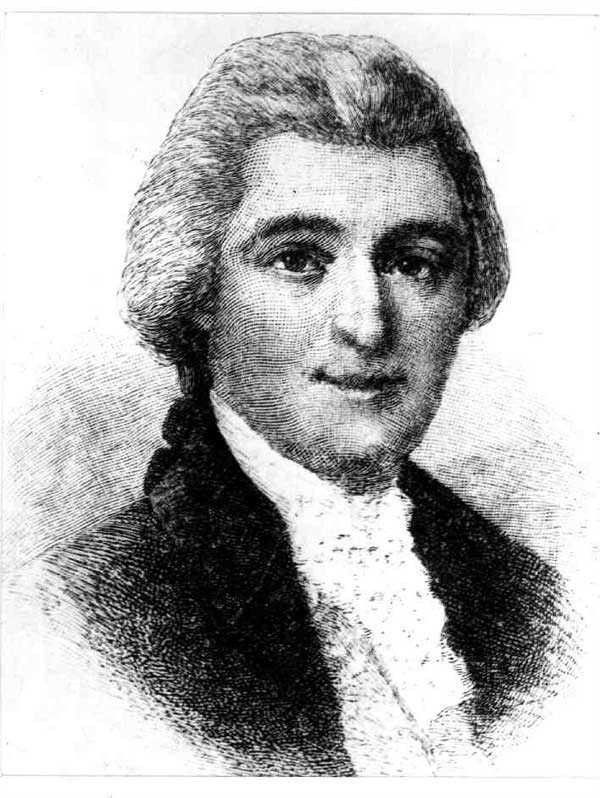
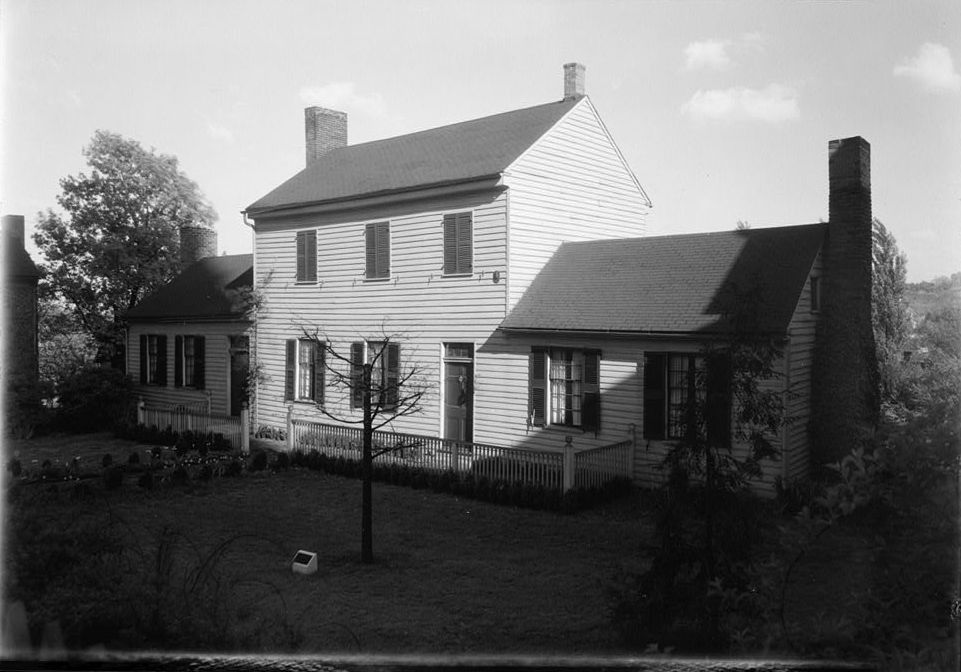
Blount set up his office at Rocky Mount, the house of William Cobb near the Watauga River, and in 1792 moved the capital to his own residence in the new town of Knoxville.[40] His 1791 census counted 35,691 people. By Durham's figures, the far larger Northwest Territory then held an estimated 3,200.[41] That same year, at the Treaty of Holston, Blount obtained a road through Cherokee country to the Cumberland settlements and, in Durham's judgment, browbeat the chiefs into giving up most of the land he wanted in exchange for a federal annuity of one thousand dollars.[42] The treaty did not bring peace. On September 30, 1792, more than five hundred warriors, mostly Creek and Cherokee, besieged Buchanan's Station near Nashville without success. The federal government refused to permit offensive campaigns, and bands of frontier volunteers struck Cherokee and Creek towns on their own. In 1794 an unauthorized expedition attacked the Chickamauga towns of Nickajack and Running Water, further straining Blount's relations with his superiors.[43]
Although the territory qualified for an elected legislature early in 1791, Blount did not call elections until December 1793, and only under popular pressure. In 1794 Sevier was among the five men Washington appointed to the territory's upper council.[44] The former governor of Franklin was now among those urging Blount toward statehood.[45]
Counting to Sixty Thousand
At a special session that opened on June 29, 1795, the territorial assembly ordered a census. If it found sixty thousand inhabitants, the governor was to recommend that each county elect five delegates to a convention at Knoxville to frame a permanent constitution.[46] The count also included a poll asking voters whether they wanted statehood even if the population fell short of sixty thousand. Blount gave the counters a reason to be thorough: the sheriffs who took the census were paid according to the totals they reported.[47]
Blount certified the results at Knoxville on November 28, 1795. The territory held 77,262 people, including 10,613 enslaved persons, well above the required number. In the separate poll on statehood, 6,504 voted yes and 2,562 no.[48] Ramsey observed that the opposition was strongest in the Cumberland counties of Middle Tennessee, where only ninety-six voters in Davidson County and fifty-eight in Tennessee County voted in favor. In Blount and Sevier Counties, where land titles were unsettled, the vote ran overwhelmingly in favor.[49] The same day, Blount issued a proclamation calling for elections on December 18 and 19 and for the convention to meet at Knoxville on January 11, 1796.[50]
Knoxville, 1796
The delegates included much of the territory's leadership. Davidson County sent James Robertson, the founder of the Cumberland settlements, and a young lawyer named Andrew Jackson. Washington County sent Landon Carter, once speaker of Franklin's senate, and John Tipton. The convention elected Blount its president, and Daniel Smith, the territorial secretary, chaired the committee that drafted the constitution and its bill of rights.[51] As Ramsey noted, the convention's journal recorded votes but not speeches, so most of what was said has been lost.[52]
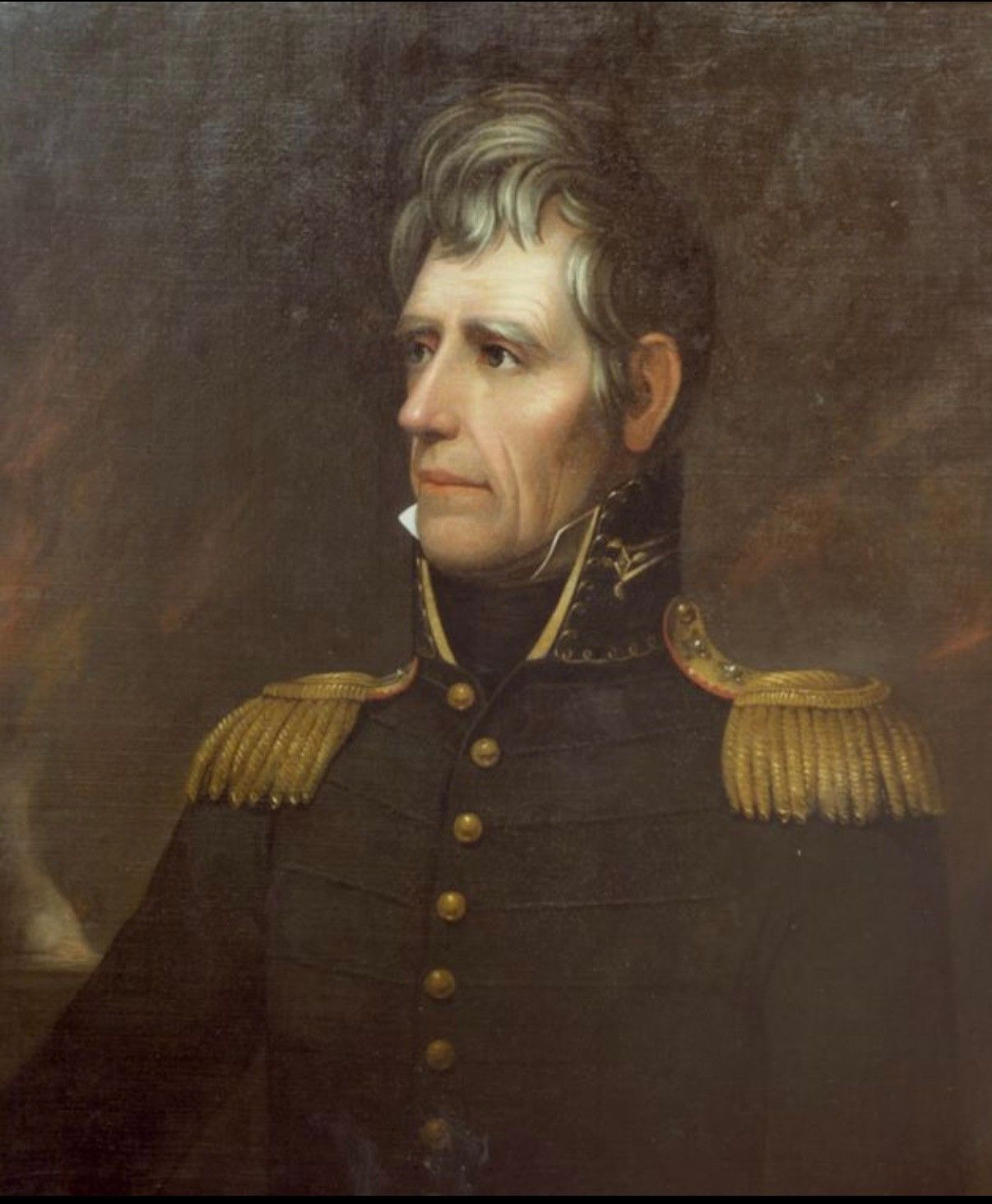
The constitution drew heavily on North Carolina's and, to a lesser degree, Pennsylvania's. It created a two-house legislature and gave the vote to every free man twenty-one or older, Black or white, who either held a freehold in his county or had lived in a county of the state for the preceding six months, a broader franchise than several older states allowed, though it excluded women and enslaved people. It sanctioned no single church, though ministers could not sit in the legislature, and no one who denied the existence of God or of a future state of rewards and punishments could hold civil office.[53] Two provisions in its Declaration of Rights spoke directly to frontier concerns. Section 29 declared free navigation of the Mississippi an inherent right of the state's citizens that could not be surrendered to any power. Section 31 declared the settlers south of the French Broad and Holston Rivers, whose claims rested on Franklin's old treaty, entitled to rights of preemption and occupancy, a first claim to buy the land they lived on.[54] Ramsey recorded a tradition that Andrew Jackson proposed the name Tennessee and that the delegates from Tennessee County agreed to give up their county's name if it went to the whole state. The story cannot be confirmed.[55] Ramsey further reported, without citing a source, that Thomas Jefferson called the document "the least imperfect and most republican" of the state constitutions.[56]
Rather than wait for Congress, Blount and his allies formed the state government first and asked Congress to accept it afterward.[57] On February 9 Blount sent a copy of the constitution to Philadelphia with Joseph McMinn of Hawkins County, who was to stay long enough to learn whether Tennessee's members of Congress would be seated.[58] The first General Assembly met in Knoxville on March 28. Two days later Sevier took the oath of office before both houses and, in a brief address, promised to discharge his trust "with fidelity."[59] Blount informed Secretary of State Timothy Pickering that the territorial government had ended, and the legislature elected him and William Cocke as the state's United States senators.[60]
Philadelphia Decides
On April 8, 1796, Washington sent Congress Blount's census return and a printed copy of the Tennessee constitution, without a recommendation of his own. His message noted that the territory was entitled to admission on an equal footing once it had sixty thousand free inhabitants and a republican constitution.[61] According to Durham, Federalists expected the new state to vote against their candidate in that year's presidential election.[62] When the House took up admission on May 5, William Loughton Smith of South Carolina and Theodore Sedgwick of Massachusetts objected, Smith arguing, as James Madison summarized him, that Congress itself should have ordered the count. Madison answered that the fact of population was the only necessary one and that the manner of taking the census was "matter of form only." The westerners, he said, were deprived of a right essential to freemen, representation in Congress, and where there was doubt Congress should lean toward a decision that would give "equal rights to every part of the American people."[63] On May 6 the House passed its own admission bill by a vote of forty-three to thirty.[64]
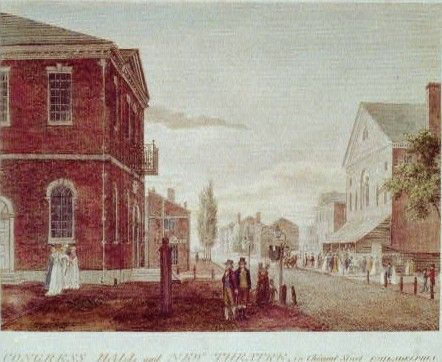
The Senate moved more slowly and passed a different bill, which Madison opposed; the final version cleared the House on May 30 and the Senate on May 31. Durham writes that the Senate yielded to the House on admission but forced Tennessee to elect its senators again, cut its presidential electors from four to three, and limited it to a single congressman until the next census.[65] The act Washington signed on June 1, 1796, declared the whole territory ceded by North Carolina to be one of the United States, "on an equal footing with the original States, in all respects whatever, by the name and title of the State of Tennessee."[66] That fall, voters sent Andrew Jackson to Philadelphia as Tennessee's lone congressman. Tennessee had become the sixteenth state and the first admitted after a period of federal territorial government.[67]
Why It Mattered
The road from Jonesborough to Knoxville ran through failure. Historians still debate whether Franklin was a democratic movement of frontier people, a scheme of land speculators, or a revolt by westerners against eastern neglect.[68] Franklin lacked both North Carolina's consent and the votes it needed in Congress under the Articles of Confederation, and the Constitution drafted in 1787 required the same consent. By the 1790s the country had a working procedure for territories, and the region had many more people. Tennessee's founders worked through that system, documented their numbers, wrote a republican constitution, and then organized a full state government before Congress acted. Durham concluded that they charted a path to equal statehood for later territories.[69]
The period also showed who paid for western statehood. The treaties of Dumplin Creek, Coyatee, and Holston, the burned towns of 1788, and the killing of Old Tassel under a flag were part of the same process that produced the census of 1795. The making of the state also strengthened settler claims to land the Cherokees still contested. Even before Congress admitted Tennessee, its first legislature instructed its members of Congress to seek the extinguishing of Indian claims to lands that North Carolina had granted to settlers but that treaties had guaranteed to the Indians.[70]
John Sevier went from rebel governor to accused traitor, then to North Carolina legislator, territorial councilor, and finally Tennessee's first governor, an office he would hold for six terms. John Tipton, his bitterest enemy, sat in the convention that wrote the constitution of the state Sevier would govern.[71] William Blount, the eastern speculator who took charge of the territory in 1790, carried it to statehood and was soon driven from the Senate over a plot against Spanish Louisiana and Florida. When Ramsey wrote in 1853, older residents of Knoxville could still point out where the convention house had stood, but even its foundations were gone.[72] The document drafted there lasted longer. The constitution adopted without dissent on February 6, 1796, governed Tennessee until 1835, and the course its framers took, organizing a state first and seeking admission afterward, came to be known as the Tennessee Plan.[73]
Places in this Story
The places this story moves through, in order — follow them on the interactive map →
- Jonesborough, Tennessee August to December 1784
Delegates from Washington, Sullivan, and Greene Counties met here, chose John Sevier as their president, and moved toward forming a new state. A December convention adopted a provisional constitution for the State of Franklin.
- Hillsborough, North Carolina April 25, 1785
Governor Alexander Martin issued his manifesto against the separatists, calling Franklin “a mock Government without the essentials, the shadow without the substance.”
- Greeneville, Tennessee 1785 to 1787
Franklin’s capital. The Treaty of Hopewell left the town on the Cherokee side of the line, and the last legislature of Franklin met here in 1787.
- Dumplin Creek, near Kodak, Tennessee June 1785
Sevier and other Franklin commissioners negotiated a cession of land south of the French Broad River from several Cherokee chiefs. Settlers there later depended on this treaty for their land titles.
- Tipton-Haynes State Historic Site, Johnson City, Tennessee February 27 to 29, 1788
Sevier besieged John Tipton’s house on Sinking Creek with about 150 men. Reinforcements from Sullivan County arrived in a snowstorm, and Sevier’s men broke and fled. Franklin’s government ended with the fight.
- Morganton, North Carolina Autumn 1788
Sevier was brought here under guard to face a charge of high treason. By one account he leaped onto his racing mare at the courthouse door and galloped away. He was never brought back for trial.
- Rocky Mount, Piney Flats, Tennessee 1790 to 1792
William Cobb’s house near the Watauga River, where Governor William Blount set up the first office of the Southwest Territory.
- Blount Mansion, Knoxville 1792 to 1796
Blount moved the territorial capital to his own residence in the new town of Knoxville in 1792. In November 1795 he certified the census at Knoxville and called the constitutional convention.
- Buchanan’s Station, near Nashville September 30, 1792
More than five hundred warriors, mostly Creek and Cherokee, besieged the station without success. The Treaty of Holston the year before had not brought peace.
- Nickajack, Tennessee River 1794
An unauthorized expedition of frontier volunteers attacked the Chickamauga towns of Nickajack and Running Water, straining Blount’s relations with his federal superiors.
- Gay Street and Church Avenue, Knoxville January 11 to February 6, 1796
In David Henley’s small office, then on the edge of town, fifty-five delegates wrote Tennessee’s first constitution in twenty-seven days and adopted it unanimously.
- Congress Hall, Philadelphia April 8 to June 1, 1796
Washington sent Tennessee’s census and constitution to Congress. After a partisan fight in which Madison defended the new state, Washington signed the act of admission on June 1.
Frequently Asked Questions
What was the State of Franklin?
Franklin was an unrecognized state formed in 1784 and 1785 by settlers in what is now northeast Tennessee, then the western counties of North Carolina. After North Carolina ceded its western lands to Congress in the spring of 1784, delegates met at Jonesborough and moved toward statehood. Franklin elected John Sevier governor in March 1785 and asked Congress for admission, but it was never recognized, and its government collapsed in 1788.
Why did the State of Franklin fail?
North Carolina repealed its cession in November 1784, so Franklin never had the consent of its parent state. A motion in Congress to accept the original cession fell short of the nine state votes required, and after 1787 the federal Constitution barred any new state formed within an existing state without that state’s consent. Inside the region, John Tipton led a rival party loyal to North Carolina, and support for Franklin faded once North Carolina offered pardons and forgave back taxes.
When did Tennessee become a state?
President George Washington signed the act admitting Tennessee on June 1, 1796. It was the sixteenth state and the first admitted after a period of federal territorial government. Its constitution had been adopted unanimously at Knoxville on February 6, 1796, and John Sevier had already taken office as governor on March 30.
Who was John Sevier?
Sevier was a hero of the Battle of Kings Mountain and the most popular man on the frontier. He served as Franklin’s only governor, was arrested for high treason by North Carolina in 1788 and escaped from Morganton, then took an oath of allegiance, sat in the North Carolina legislature, and joined the Southwest Territory’s upper council. In 1796 he became Tennessee’s first governor, an office he held for six terms.
What happened at the Battle of the State of Franklin?
In February 1788 a North Carolina sheriff seized people John Sevier held in slavery to satisfy a court judgment and took them to John Tipton’s house on Sinking Creek. Sevier besieged the house with about 150 men. After a few days in bitter cold, reinforcements from Sullivan County arrived in a snowstorm and Sevier’s men fled. The sheriff was mortally wounded and two of Sevier’s sons were captured. The site is now the Tipton-Haynes State Historic Site in Johnson City.
What was the Southwest Territory?
The Territory of the United States South of the River Ohio was created by Congress on May 26, 1790, after North Carolina’s second cession of its western lands. It was governed under the Northwest Ordinance, except that slavery was permitted. Washington appointed William Blount governor, and Blount moved the capital from Rocky Mount to Knoxville in 1792. The territory became the State of Tennessee in 1796.
How did Tennessee qualify for statehood?
Under the Northwest Ordinance a territory could seek statehood once it had 60,000 free inhabitants. A census ordered in 1795 counted 77,262 people, including 10,613 enslaved persons, and voters favored statehood 6,504 to 2,562. Rather than wait for Congress, the territory wrote a constitution, organized a state government, and then asked to be admitted.
Why did Congress argue over admitting Tennessee?
Federalists expected the new state to vote against their candidate in the 1796 presidential election, and some members objected that Congress itself should have ordered the census. James Madison answered that the manner of the count was a matter of form only. The House passed admission 43 to 30, and in the final bill the Senate made Tennessee elect its senators again and gave it one congressman and three presidential electors.
How did Tennessee get its name?
The state took the name of its principal river, the Tennessee. According to a tradition recorded by the historian J. G. M. Ramsey, Andrew Jackson proposed the name at the 1796 convention and the delegates from Tennessee County agreed to give up their county’s name so it could go to the whole state. The story cannot be confirmed.
Bibliography
American Philosophical Society. Benjamin Franklin Papers, Mss.B.F85. John Sevier to Benjamin Franklin, April 9, 1787, and November 2, 1787. Catalog records accessed October 27, 2026. https://diglib-legacy.amphilsoc.org/islandora/object/sevier-john-benjamin-franklin-1787-april-9 and https://diglib-legacy.amphilsoc.org/islandora/object/sevier-john-benjamin-franklin-1787-november-2.
Articles of Confederation. Avalon Project, Yale Law School. Accessed October 27, 2026. https://avalon.law.yale.edu/18th_century/artconf.asp.
Carpenter, W. H. The History of Tennessee, from Its Earliest Settlement to the Present Time. Philadelphia: J. B. Lippincott, 1857.
Congressional Research Service. Admission of States to the Union: A Historical Reference Guide. R47747. Updated January 6, 2026. EveryCRSReport.com. Accessed October 27, 2026. https://www.everycrsreport.com/reports/R47747.html.
Corlew, Robert E. "John Sevier." Tennessee Encyclopedia. Tennessee Historical Society. Last updated March 1, 2018. Accessed October 27, 2026. https://tennesseeencyclopedia.net/entries/john-sevier/.
Durham, Walter T. "Southwest Territory." Tennessee Encyclopedia. Tennessee Historical Society. Last updated March 1, 2018. Accessed October 27, 2026. https://tennesseeencyclopedia.net/entries/southwest-territory/.
Franklin General Assembly. Letter to Alexander Martin, March 22, 1785. In The State Records of North Carolina, edited by Walter Clark, vol. 22, 639–41. Goldsboro, NC: Nash Brothers, 1907. Documenting the American South, University of North Carolina at Chapel Hill. Accessed October 27, 2026. https://docsouth.unc.edu/csr/index.php/page/p22-639.
Haywood, John. The Civil and Political History of the State of Tennessee from Its Earliest Settlement up to the Year 1796. 1823. Reprint, Nashville: W. H. Haywood, 1891.
Hillman, Regina L. "The Tennessee Constitution: 'Least Imperfect and Most Republican of the State Constitutions.'" State Court Report, Brennan Center for Justice, January 12, 2026. Accessed October 27, 2026. https://statecourtreport.org/our-work/analysis-opinion/tennessee-constitution-least-imperfect-and-most-republican-state.
Madison, James. "Admission of Tennessee." Speech in the House of Representatives, May 5, 1796. Founders Online, National Archives. Accessed October 27, 2026. https://founders.archives.gov/documents/Madison/01-16-02-0225.
Martin, Alexander. Manifesto to the Inhabitants of the Counties of Washington, Sullivan and Greene, April 25, 1785. In The State Records of North Carolina, edited by Walter Clark, vol. 17, 444–47. Goldsboro, NC: Nash Brothers, 1899. Documenting the American South, University of North Carolina at Chapel Hill. Accessed October 27, 2026. https://www.docsouth.unc.edu/csr/index.php/page/p17-444.
Moser, Harold D. "Andrew Jackson." Tennessee Encyclopedia. Tennessee Historical Society. Last updated March 7, 2018. Accessed October 27, 2026. https://tennesseeencyclopedia.net/entries/andrew-jackson/.
Neely, Jack. "Happy Birthday, Tennessee." Knoxville History Project, February 4, 2016. Accessed October 27, 2026. https://knoxvillehistoryproject.org/?p=24661.
Ramsey, J. G. M. The Annals of Tennessee to the End of the Eighteenth Century. Charleston: John Russell, 1853.
Sevier, John. Letter to John Tipton, February 27, 1788. In The State Records of North Carolina, edited by Walter Clark, vol. 22, 714. Goldsboro, NC: Nash Brothers, 1907. Transcribed by TNGenWeb Project. Accessed October 27, 2026. https://tngenweb.org/pre1796/17880227.html.
"Tennessee Constitution of 1796." Founders' Library. Founding.com. Includes An Act for the Admission of the State of Tennessee into the Union, June 1, 1796, ch. 47, 1 Stat. 491–92. Accessed October 27, 2026. https://founding.com/founders-library/government-documents/american-state-and-local-government-documents/state-constitutions/tennessee-constitution-of-1796/.
"Tennessee 1795 State Government." A New Nation Votes: American Election Returns, 1787–1825. American Antiquarian Society and Tufts University. Accessed October 27, 2026. https://elections.lib.tufts.edu/catalog/rv042t39j.
Tipton-Haynes State Historic Site. "The State of Franklin." Accessed October 27, 2026. https://www.tipton-haynes.org/history/state-of-franklin.
Toomey, Michael. "State of Franklin." Tennessee Encyclopedia. Tennessee Historical Society. Last updated March 6, 2018. Accessed October 27, 2026. https://tennesseeencyclopedia.net/entries/state-of-franklin/.
Troxler, George W. "State of Franklin." In Encyclopedia of North Carolina, edited by William S. Powell. Chapel Hill: University of North Carolina Press, 2006. NCpedia. Accessed October 27, 2026. https://www.ncpedia.org/franklin-state.
Washington, George. Letter to the U.S. Senate and House of Representatives, April 8, 1796. Founders Online, National Archives. Accessed October 27, 2026. https://founders.archives.gov/documents/Washington/05-20-02-0020.
Weeks, Terry. "William Blount." Tennessee Encyclopedia. Tennessee Historical Society. Last updated March 1, 2018. Accessed October 27, 2026. https://tennesseeencyclopedia.net/entries/william-blount/.
Citations
- J. G. M. Ramsey, The Annals of Tennessee to the End of the Eighteenth Century (Charleston: John Russell, 1853), 655–56; Jack Neely, "Happy Birthday, Tennessee," Knoxville History Project, February 4, 2016, accessed October 27, 2026, https://knoxvillehistoryproject.org/?p=24661. ↑
- Ramsey, Annals, 652–53, 655. ↑
- Ramsey, Annals, 651, 659; John Haywood, The Civil and Political History of the State of Tennessee from Its Earliest Settlement up to the Year 1796 (1823; repr., Nashville: W. H. Haywood, 1891), 191. ↑
- Michael Toomey, "State of Franklin," Tennessee Encyclopedia, Tennessee Historical Society, last updated March 6, 2018, accessed October 27, 2026, https://tennesseeencyclopedia.net/entries/state-of-franklin/; George W. Troxler, "State of Franklin," in Encyclopedia of North Carolina, ed. William S. Powell (Chapel Hill: University of North Carolina Press, 2006), NCpedia, accessed October 27, 2026, https://www.ncpedia.org/franklin-state. Troxler dates the cession act to April 1784, the month the legislative session opened; other accounts place its passage in May or June 1784. ↑
- Troxler, "State of Franklin." ↑
- Toomey, "State of Franklin." ↑
- Troxler, "State of Franklin"; Toomey, "State of Franklin." ↑
- Troxler, "State of Franklin." ↑
- Franklin General Assembly to Alexander Martin, March 22, 1785, in The State Records of North Carolina, ed. Walter Clark, vol. 22 (Goldsboro, NC: Nash Brothers, 1907), 639–41, Documenting the American South, University of North Carolina at Chapel Hill, accessed October 27, 2026, https://docsouth.unc.edu/csr/index.php/page/p22-639. The opening page (639) was verified online; the closing page number of the letter could not be confirmed. ↑
- Alexander Martin, Manifesto to the Inhabitants of the Counties of Washington, Sullivan and Greene, April 25, 1785, in The State Records of North Carolina, ed. Walter Clark, vol. 17 (Goldsboro, NC: Nash Brothers, 1899), 444–47, Documenting the American South, accessed October 27, 2026, https://www.docsouth.unc.edu/csr/index.php/page/p17-444. The opening page (444) was verified online; the closing page number could not be confirmed. ↑
- Troxler, "State of Franklin." ↑
- Toomey, "State of Franklin." Toomey does not date the barter provision precisely. ↑
- Ramsey, Annals, 376, 379. ↑
- Troxler, "State of Franklin." ↑
- Troxler, "State of Franklin"; Toomey, "State of Franklin." ↑
- Toomey, "State of Franklin." ↑
- Martin, Manifesto, 444–47; Troxler, "State of Franklin"; Toomey, "State of Franklin." ↑
- Toomey, "State of Franklin"; Troxler, "State of Franklin." ↑
- Troxler, "State of Franklin." ↑
- John Sevier to Benjamin Franklin, April 9, 1787, Benjamin Franklin Papers, Mss.B.F85, American Philosophical Society, Philadelphia, catalog record accessed October 27, 2026, https://diglib-legacy.amphilsoc.org/islandora/object/sevier-john-benjamin-franklin-1787-april-9; John Sevier to Benjamin Franklin, November 2, 1787, Benjamin Franklin Papers, Mss.B.F85, American Philosophical Society, catalog record accessed October 27, 2026, https://diglib-legacy.amphilsoc.org/islandora/object/sevier-john-benjamin-franklin-1787-november-2. ↑
- "The State of Franklin," Tipton-Haynes State Historic Site, accessed October 27, 2026, https://www.tipton-haynes.org/history/state-of-franklin. ↑
- W. H. Carpenter, The History of Tennessee, from Its Earliest Settlement to the Present Time (Philadelphia: J. B. Lippincott, 1857), 166. The page number is taken from the running page markers of a digitized transcription and should be checked against a printed copy. ↑
- Haywood, Civil and Political History, 190–91; "State of Franklin," Tipton-Haynes State Historic Site. Haywood page numbers refer to the 1891 reprint and were taken from the running page markers of a digitized transcription. ↑
- John Sevier to John Tipton, February 27, 1788, in The State Records of North Carolina, ed. Walter Clark, vol. 22 (Goldsboro, NC: Nash Brothers, 1907), 714, transcribed by TNGenWeb Project, accessed October 27, 2026, https://tngenweb.org/pre1796/17880227.html. ↑
- Haywood, Civil and Political History, 192–94. ↑
- Haywood, Civil and Political History, 193; Ramsey, Annals, 413–14; Sevier to Tipton, February 27, 1788; "State of Franklin," Tipton-Haynes State Historic Site. ↑
- Ramsey, Annals, 412. ↑
- Haywood, Civil and Political History, 194; Troxler, "State of Franklin"; Ramsey, Annals, 414. ↑
- Haywood, Civil and Political History, 194–96. Haywood calls the Cherokee leader "The Tassel"; the identification with the leader generally known as Old Tassel is the author's. ↑
- Ramsey, Annals, 418, 425–26; Toomey, "State of Franklin." ↑
- Ramsey, Annals, 426–29; Toomey, "State of Franklin." ↑
- General Martin to General Kennedy, March 21, 1788, quoted in Ramsey, Annals, 416. Ramsey identifies the writer only as "General Martin," commander of the North Carolina brigade west of the mountains; the identification as Joseph Martin is the author's. ↑
- Francis Asbury, journal entry for April 28, 1788, quoted in Ramsey, Annals, 417. ↑
- Troxler, "State of Franklin"; Toomey, "State of Franklin." ↑
- Troxler, "State of Franklin"; Toomey, "State of Franklin." ↑
- Robert E. Corlew, "John Sevier," Tennessee Encyclopedia, Tennessee Historical Society, last updated March 1, 2018, accessed October 27, 2026, https://tennesseeencyclopedia.net/entries/john-sevier/; Toomey, "State of Franklin." ↑
- Walter T. Durham, "Southwest Territory," Tennessee Encyclopedia, Tennessee Historical Society, last updated March 1, 2018, accessed October 27, 2026, https://tennesseeencyclopedia.net/entries/southwest-territory/; Articles of Confederation, art. 8, Avalon Project, Yale Law School, accessed October 27, 2026, https://avalon.law.yale.edu/18th_century/artconf.asp. ↑
- Corlew, "John Sevier"; Durham, "Southwest Territory"; Terry Weeks, "William Blount," Tennessee Encyclopedia, Tennessee Historical Society, last updated March 1, 2018, accessed October 27, 2026, https://tennesseeencyclopedia.net/entries/william-blount/. ↑
- Durham, "Southwest Territory." ↑
- Durham, "Southwest Territory"; Weeks, "William Blount." ↑
- Durham, "Southwest Territory." ↑
- Durham, "Southwest Territory." ↑
- Durham, "Southwest Territory"; Weeks, "William Blount." ↑
- Durham, "Southwest Territory." ↑
- Corlew, "John Sevier." ↑
- Durham, "Southwest Territory"; Ramsey, Annals, 643. ↑
- Durham, "Southwest Territory"; Congressional Research Service, Admission of States to the Union: A Historical Reference Guide, R47747 (updated January 6, 2026), EveryCRSReport.com, accessed October 27, 2026, https://www.everycrsreport.com/reports/R47747.html. ↑
- Ramsey, Annals, 648; Durham, "Southwest Territory"; Congressional Research Service, Admission of States; "Tennessee 1795 State Government," A New Nation Votes: American Election Returns, 1787–1825, American Antiquarian Society and Tufts University, accessed October 27, 2026, https://elections.lib.tufts.edu/catalog/rv042t39j. The digitized text of Ramsey's table is partly garbled; the population total follows Durham, and the vote totals follow the Tufts compilation, which is drawn from Ramsey. ↑
- Ramsey, Annals, 648–49. ↑
- Ramsey, Annals, 649–50. ↑
- Ramsey, Annals, 650–52, 664; Martin, Manifesto, 444; Durham, "Southwest Territory." ↑
- Ramsey, Annals, 652–53. ↑
- Durham, "Southwest Territory"; Regina L. Hillman, "The Tennessee Constitution: 'Least Imperfect and Most Republican of the State Constitutions,'" State Court Report, Brennan Center for Justice, January 12, 2026, accessed October 27, 2026, https://statecourtreport.org/our-work/analysis-opinion/tennessee-constitution-least-imperfect-and-most-republican-state; "Tennessee Constitution of 1796," Founders' Library, Founding.com, accessed October 27, 2026, https://founding.com/founders-library/government-documents/american-state-and-local-government-documents/state-constitutions/tennessee-constitution-of-1796/. ↑
- Ramsey, Annals, 654; "Tennessee Constitution of 1796," art. 11, secs. 29, 31. ↑
- Ramsey, Annals, 655. ↑
- Ramsey, Annals, 657. ↑
- Durham, "Southwest Territory." ↑
- Ramsey, Annals, 656–57. ↑
- Ramsey, Annals, 657–59. ↑
- Durham, "Southwest Territory"; Ramsey, Annals, 660. ↑
- George Washington to the U.S. Senate and House of Representatives, April 8, 1796, Founders Online, National Archives, accessed October 27, 2026, https://founders.archives.gov/documents/Washington/05-20-02-0020. ↑
- Durham, "Southwest Territory." ↑
- James Madison, "Admission of Tennessee," speech in the House of Representatives, May 5, 1796, as reported in Claypoole's American Daily Advertiser, May 28, 1796, Founders Online, National Archives, accessed October 27, 2026, https://founders.archives.gov/documents/Madison/01-16-02-0225. The identification of the opposing speakers is from the editorial note. ↑
- Madison, "Admission of Tennessee," editorial note. ↑
- Congressional Research Service, Admission of States; Madison, "Admission of Tennessee," editorial note; Durham, "Southwest Territory." ↑
- An Act for the Admission of the State of Tennessee into the Union, June 1, 1796, ch. 47, 1 Stat. 491–92, reprinted in "Tennessee Constitution of 1796," Founding.com. ↑
- Harold D. Moser, "Andrew Jackson," Tennessee Encyclopedia, Tennessee Historical Society, last updated March 7, 2018, accessed October 27, 2026, https://tennesseeencyclopedia.net/entries/andrew-jackson/; Congressional Research Service, Admission of States. ↑
- Troxler, "State of Franklin." ↑
- Durham, "Southwest Territory." ↑
- Ramsey, Annals, 662–63. ↑
- Corlew, "John Sevier"; Ramsey, Annals, 651–52. ↑
- Ramsey, Annals, 656. ↑
- Ramsey, Annals, 657; Durham, "Southwest Territory." ↑