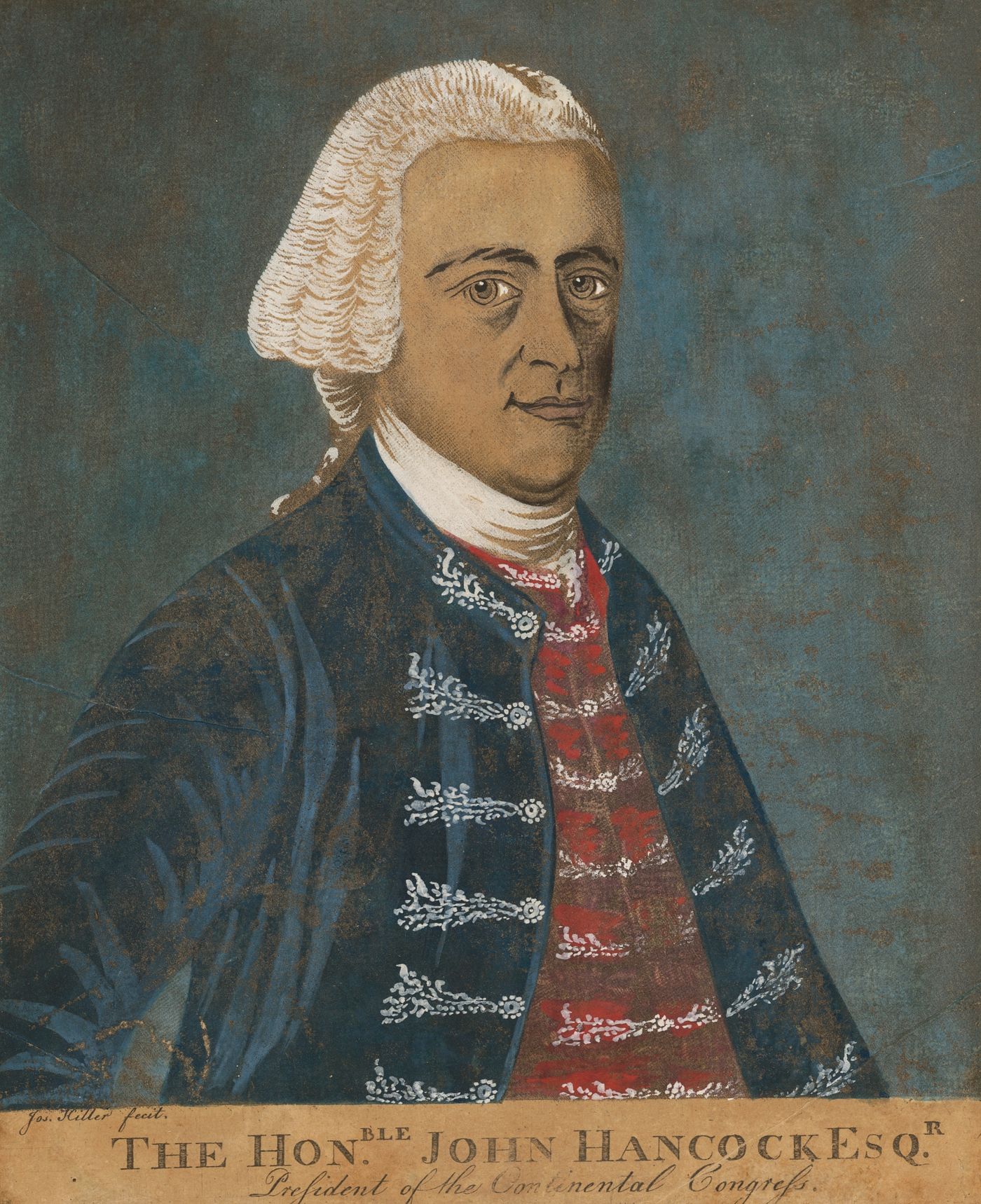
On the morning of Sunday, March 17, 1776, the British army in Boston boarded its ships and gave up the town. For nearly a year it had been besieged by an army of New England farmers and artisans. Less than two weeks earlier, that army had fortified Dorchester Heights in a single night, using cannon hauled from Fort Ticonderoga, and its guns now commanded the town and the harbor. General William Howe chose to leave rather than fight. Two days later George Washington reported the news to John Hancock, president of the Continental Congress and one of Boston's wealthiest merchants. "It is with the greatest pleasure I inform you," he wrote, "that on Sunday last, the 17th Instant, about 9 O'Clock in the forenoon, The Ministerial Army evacuated the Town of Boston, and that the Forces of the United Colonies are now in actual possession thereof." The town had "suffer'd greatly," he added, but it was "not in so bad a state as I expected to find it."[1] The fleet lingered for days in the outer harbor before it stood out to sea.[2]
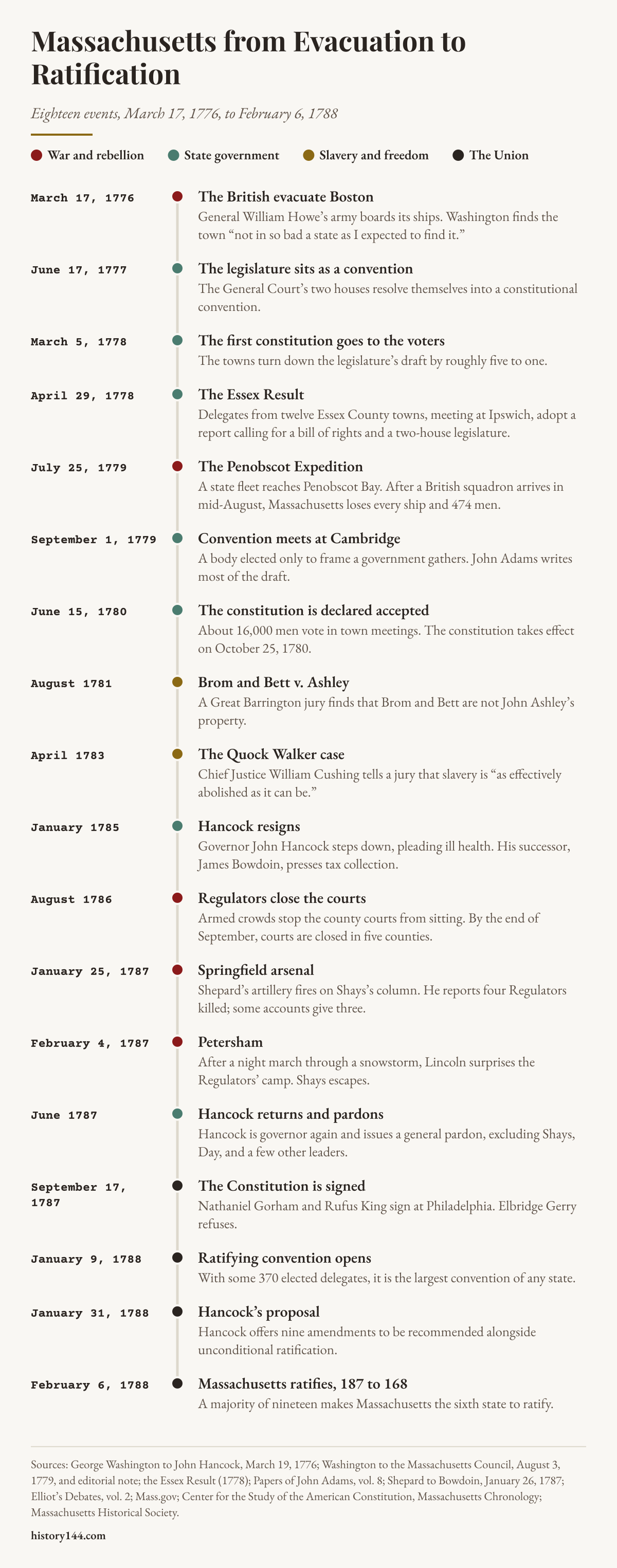
Boston, where the Revolution had begun, would never be occupied again. Yet the departure of the army settled almost nothing about how Massachusetts would govern itself. The province had no constitution of its own and a war still to finance. Its people also disagreed sharply about who should hold power and who should pay for independence. Over the next twelve years they rejected one constitution and adopted another that still governs the state. Their highest court turned that constitution's promise of equality against slavery. They struggled under heavy war debts and faced an armed rising of their own farmers. By February 1788 those experiences had convinced a narrow majority of them that their liberty required a stronger national government. This is the story of those twelve years.
A Commonwealth Without a Constitution
When the British sailed, Massachusetts was governed by a makeshift arrangement. In June 1775 the Continental Congress had advised the province to treat the offices of its royal governor and lieutenant governor as vacant. The towns were to elect a House of Representatives, the House was to choose a Council, and the two bodies together were to govern until a royal governor agreed to rule according to the charter of 1691.[3] The new House met in July 1775 and elected a Council that served as both the upper chamber and the executive. The system worked well enough to raise troops and taxes, but it rested on a charter granted by the king against whom Massachusetts was now at war. In May 1776 Congress urged the colonies to form new governments, and the question of a permanent constitution could not be postponed for long.[4]
The difficulty lay in deciding who had the authority to write one. Many towns held that a constitution was a fundamental law, standing above ordinary legislation, and that a legislature could not write its own charter of powers. The General Court proceeded anyway. On June 17, 1777, its two houses resolved themselves into a constitutional convention. They adopted a draft on February 28, 1778, and in early March submitted it to the voters, who rejected it by roughly five to one. The one tally that survives, printed in a Boston newspaper that October, gave 2,083 in favor and 9,972 against. A recurring complaint was that the legislature, rather than a body chosen for the purpose, had written the document.[5]
The most searching criticism came from Essex County. Delegates from twelve of its towns met at Ipswich in the spring of 1778. Their report, adopted at a session that began on April 29, became known as the Essex Result. Its author was Theophilus Parsons, a young lawyer from Newburyport who would later become chief justice of Massachusetts. The Result called for a bill of rights "clearly ascertaining and defining the rights of conscience" before any constitution was ratified. It objected that the proposed governor was "not vested with proper authority" and was not independent of the legislature. It also insisted that "the legislative power must not be trusted with one assembly."[6] The pamphlet shaped the next attempt. In February 1779 the General Court put two questions to the towns, whether they wanted a new constitution written and whether they would empower their representatives to call a convention for that sole purpose. The towns favored the proposal by about two to one. The legislature then called such a convention and required that its work win the approval of two-thirds of the free adult men voting in their town meetings.[7]
A Summer of Disaster
The delegates were chosen in the midst of a military humiliation. In June 1779 the British occupied the Bagaduce peninsula on Penobscot Bay, in the District of Maine, which then belonged to Massachusetts. The General Court organized a response without consulting either Congress or the Continental Army. It assembled nineteen armed vessels and more than twenty transports under Captain Dudley Saltonstall of the Continental frigate Warren, along with a force of militia under Brigadier General Solomon Lovell. Lieutenant Colonel Paul Revere commanded the artillery. The expedition arrived on July 25, but its commanders delayed their assault on the British fort. In mid-August a British squadron under Commodore Sir George Collier appeared, and accounts date its arrival from August 11 to August 13. Trapped in the bay, the Americans burned most of their own ships and retreated overland.[8] Massachusetts lost every ship in the expedition, and one estimate puts its casualties at 474 men. The state's authorities blamed Saltonstall, who was court-martialed and dismissed from the Continental Navy. Revere was also court-martialed and was acquitted.[9] One account puts the bill at roughly £1.74 million in inflated currency, one of many burdens the new government would inherit.[10]
The Convention at Cambridge
The convention met at Cambridge on September 1, 1779, and elected James Bowdoin as its president. After a week spent organizing, it named a drafting committee of thirty and adjourned. The committee gave the work to a subcommittee of three, Bowdoin, Samuel Adams, and John Adams, recently back from France. The subcommittee in turn gave the draft to John Adams. He wrote most of it between mid-September and mid-October, largely at his farm in Braintree.[11]
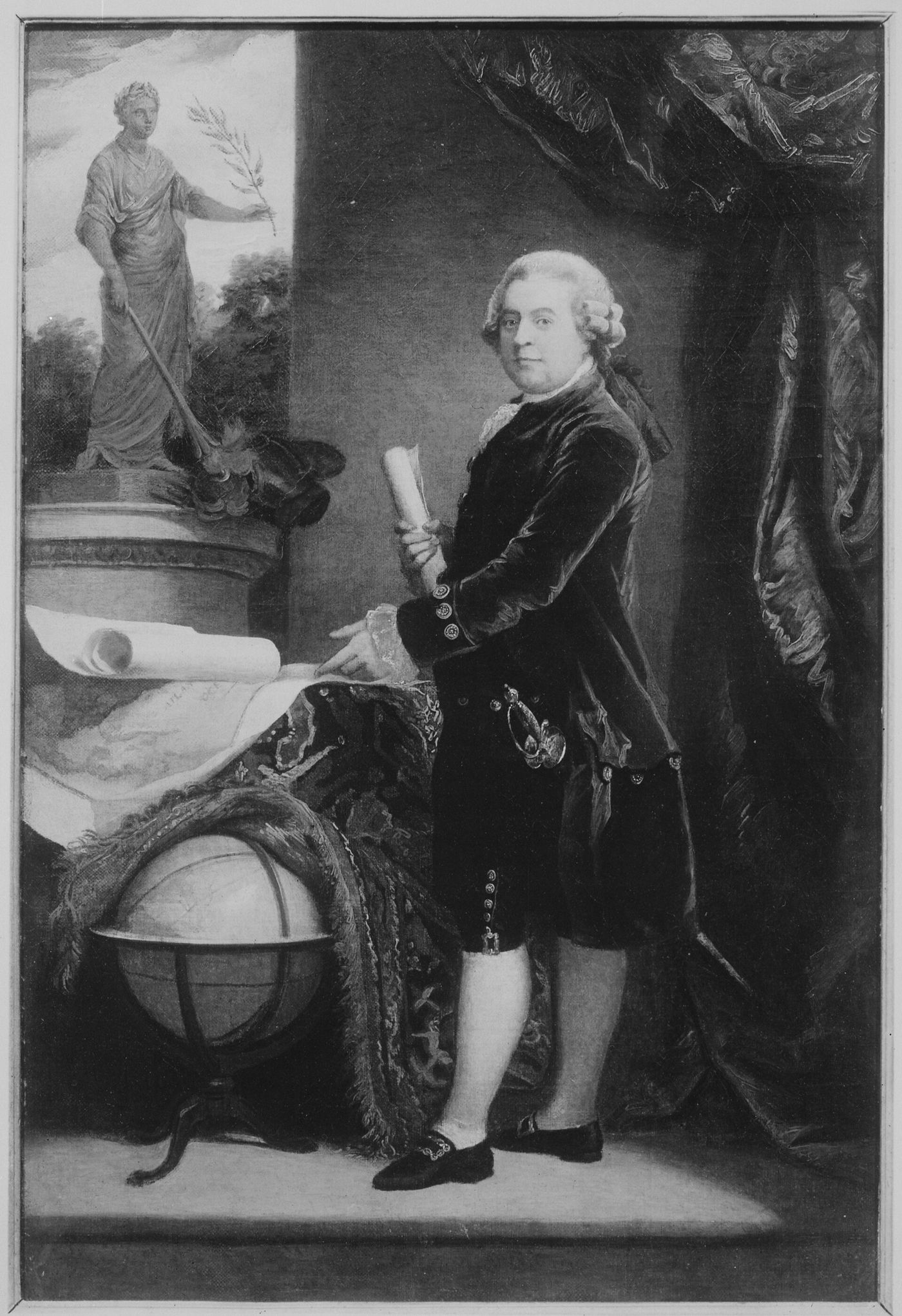
Adams drew on the charter of 1691, on his own earlier pamphlet Thoughts on Government, and even on language from the rejected constitution of 1778.[12] The result was a long and carefully balanced frame of government preceded by a Declaration of Rights. It divided the legislature into a House of Representatives and a Senate, both elected every year. It also gave the state an independent judiciary, whose judges held office during good behavior. Adams wanted the governor to hold an absolute veto. "The Executive, which ought to be the Reservoir of Wisdom, as the Legislature is of Liberty," he wrote to Elbridge Gerry on November 4, 1779, "without this Weapon of Defence will be run down like a Hare before the Hunters."[13] The convention disagreed and allowed a two-thirds vote of both houses to override a veto. It took from the governor the power to appoint militia officers and let the militia elect them instead. It rejected Adams's rule that no man could serve as governor for more than five one-year terms out of seven. And it narrowed the religious test for officeholders, confining the explicit requirement that they be Christians to the governor and lieutenant governor.[14] Adams did not see the final version. He sailed for Europe on November 15, 1779, carrying printed copies of the committee's report with him.[15]
The most contentious provision was Article III of the Declaration of Rights, which Adams later said he had not written. It declared public worship necessary to the preservation of civil government and required towns to support Protestant teachers of religion through taxation. A taxpayer could direct his payment to a minister of his own denomination. Baptists and other dissenters saw the article as a continuation of the old Congregational establishment, and the convention debated it at length.[16]
The People Approve
On March 2, 1780, the convention sent the completed constitution to the towns. Each town meeting was invited to vote on the document article by article, to explain its objections, and to propose changes. About 16,000 men voted. The convention reconvened in Boston on June 7 to examine the returns, and on June 15 a committee reported that the people had accepted the constitution as it stood.[17] The constitution took effect on October 25, 1780.
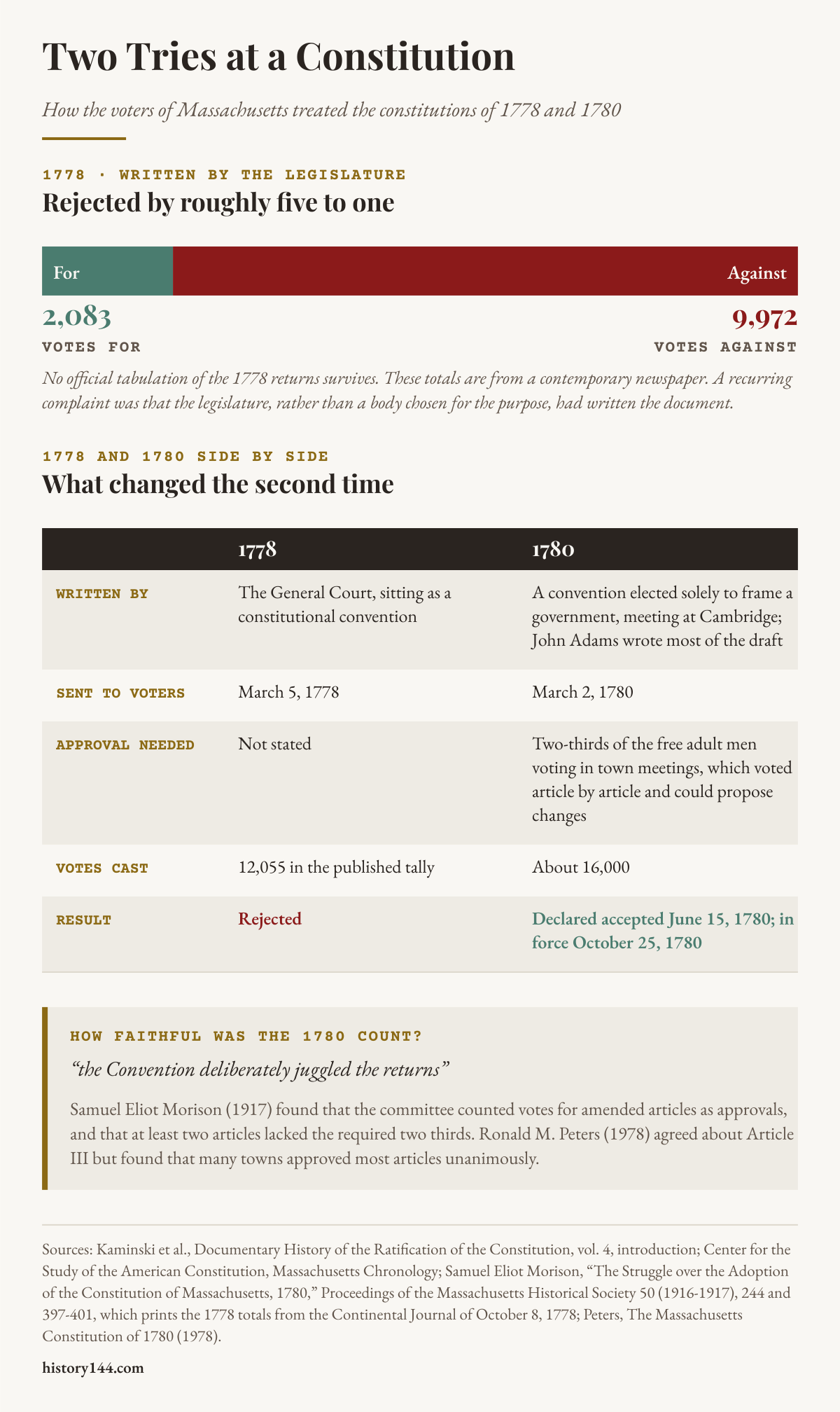
Historians have long questioned how faithfully the convention counted. Samuel Eliot Morison, writing in 1917, observed that many towns had voted for amended versions of articles rather than the originals, and that the convention counted such conditional votes as approvals. Working through the tally sheets in the state archives, he concluded that at least two articles had not carried the required two thirds, and that the convention "deliberately juggled the returns in order to make it appear that there was" such a majority. Every article, he allowed, had won at least a bare majority.[18] The political scientist Ronald M. Peters, studying the same returns six decades later, took a more favorable view of the process. He agreed that Article III had been the most controversial provision and that it passed only because the convention added votes for approval with revisions to votes for approval outright. Yet he also found that many towns had approved most articles unanimously. Either way, Massachusetts became the first state to adopt a constitution written by a convention elected for that purpose alone and then approved by the people.[19]
The first governor elected under the new constitution was John Hancock, the merchant to whom Washington had reported the evacuation. Hancock won every annual election from 1780 until January 1785, when he resigned, pleading ill health.[20]
"Born Free and Equal"
The first article of the new Declaration of Rights declared that all men "are born free and equal" and have natural and unalienable rights.[21] When the constitution took effect, however, slavery remained legal in Massachusetts, and people of African descent were still bought, sold, and held as property. Within months, enslaved people and their lawyers began testing whether the words meant what they said.
The first test came from Berkshire County, at the western edge of the state. An enslaved woman known as Bett, or Mum Bett, and an enslaved man named Brom sued for their freedom against Colonel John Ashley of Sheffield, who was himself a judge of the county court. In May 1781 their lawyers obtained a writ ordering their release. Ashley refused to comply, and the case went to trial at Great Barrington that August. Their attorney, Theodore Sedgwick, argued that the constitution had abolished slavery. The jury found that Brom and Bett were not Ashley's property, and the court awarded them thirty shillings in damages. Ashley appealed but later dropped the appeal. Bett went to work in Sedgwick's household. She remained known as Mum Bett throughout her life, though in her will she identified herself as Elizabeth Freeman.[22]
A more sweeping ruling came out of Worcester County. In 1754 James Caldwell bought an enslaved couple and an infant boy named Quock Walker. Walker later maintained that Caldwell had promised him his freedom at twenty-five and that Caldwell's widow, Isabell, had promised it at twenty-one. Caldwell died in 1763, and his widow married Nathaniel Jennison, who then claimed Walker as his property. In 1781 Walker ran away and went to work for John and Seth Caldwell, his late master's brothers. Jennison found him, beat him, and carried him back. Three related lawsuits followed. In Walker's own suit for assault, tried at Worcester in 1781, a jury found him a free man and awarded him fifty pounds. In a separate criminal case, the state prosecuted Jennison for assault and battery, and the trial came before the Supreme Judicial Court in April 1783.[23] Chief Justice William Cushing charged the jury, and his notes for that charge survive. In them he wrote that slavery was "as effectively abolished as it can be by the granting of rights and privileges wholly incompatible and repugnant to its existence." The jury convicted Jennison, and the court fined him forty shillings.[24] The same notes put the point more plainly still, "I think the Idea of Slavery is inconsistent with our own conduct & Constitution," and "there can be no such thing as perpetual servitude of a rational Creature."[25]
No statute ever abolished slavery in Massachusetts, and the practice did not vanish overnight. Historians disagree about how much weight to give the Walker cases compared with changing public opinion and economic pressures. The federal census of 1790, however, recorded no enslaved people in Massachusetts.[26]
The Price of Independence
The peace treaty of 1783 confirmed independence but left Massachusetts deeply in debt. The state owed large sums to its own creditors, and it also owed its share of the requisitions that Congress, lacking any power to tax, levied on the states.[27] To meet these obligations the legislature imposed a series of taxes. They included "beef taxes" in 1780 and 1781 and a clothing tax in 1781, and they fell heavily on western towns where farmers had little hard money.[28] When taxpayers could not pay in coin, collectors seized property, usually farm animals, and sold it at auction for a fraction of its value. Confrontations between collectors and townspeople began as early as 1782.[29]
The burden grew heavier as the decade went on. The legislature levied land and other taxes to pay down the state's war debt and part of the nation's foreign debt. For farmers whose only real assets were their land and animals, demands for payment in coin were nearly impossible to meet. Governor Hancock had a reputation for leniency in pressing collections where they caused hardship. When he resigned in 1785, James Bowdoin succeeded him and pursued both current and overdue taxes vigorously.[30] Debt suits by private creditors added to the pressure, and debtors who could not pay faced the loss of their property or confinement in jail.
In the spring of 1786, towns across central and western Massachusetts petitioned the General Court for relief, asking for paper money, lower taxes, or laws allowing debts to be paid in goods. County conventions met in July and August to draw up grievances.[31] When the legislature adjourned without granting relief, protest turned into direct action.
The Regulation
Beginning in late August 1786, crowds of armed men gathered at county courthouses and prevented the courts from sitting. By the end of September, courts had been closed in five counties.[32] The protesters called themselves Regulators, and many were veterans of the war. The most prominent was Daniel Shays of Pelham, a farmer who had served as a captain in the Continental Army. His name became attached to the movement, though it had no single commander. Shays himself denied writing at least one of the circulars issued under his name.[33]
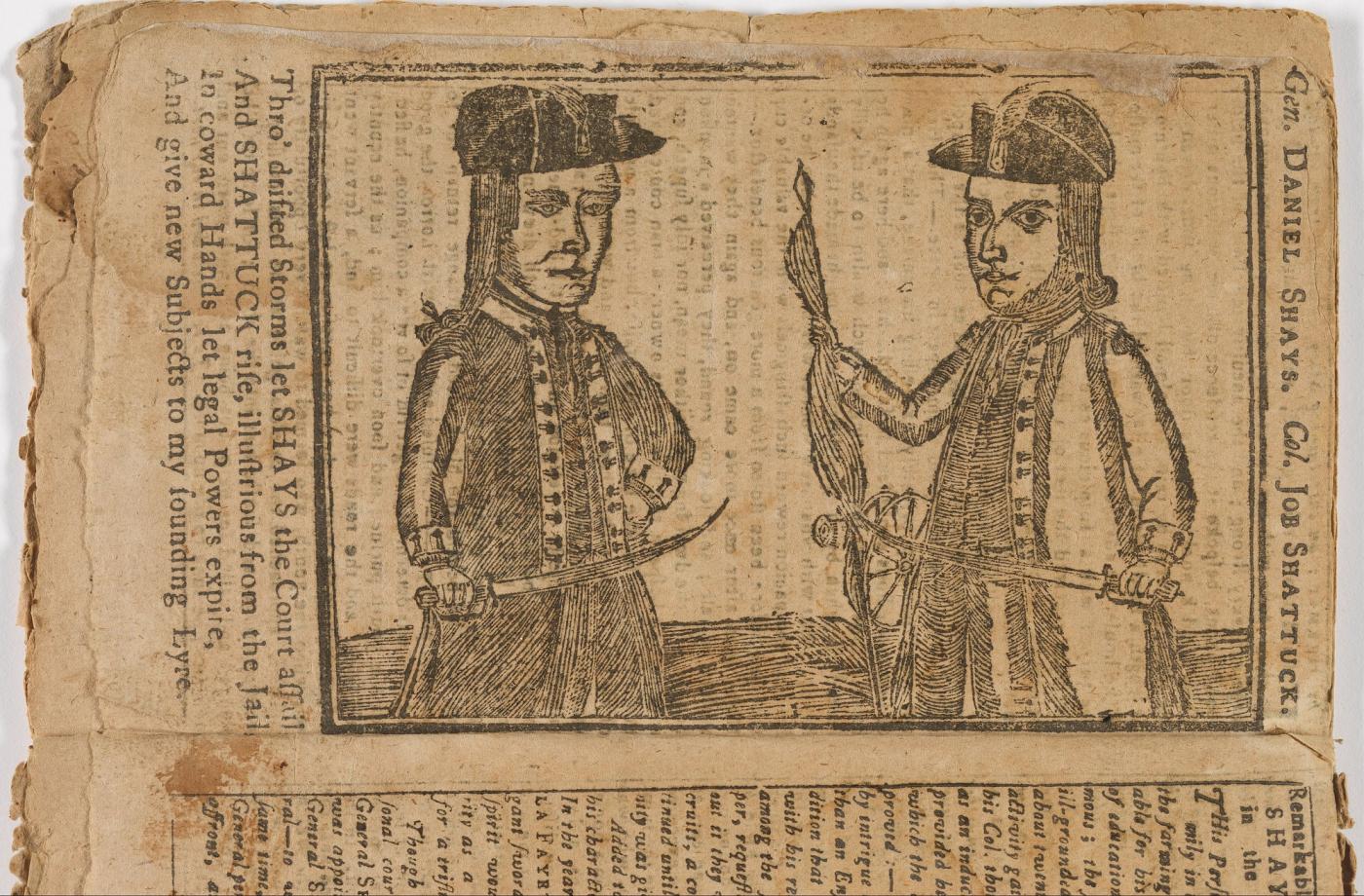
On November 29 a mounted force under Benjamin Hichborn, three hundred strong by one account, rode out from Boston. The next day at Groton, local horsemen took Oliver Parker and Benjamin Page, while Hichborn's men tracked Job Shattuck through the snow. He surrendered only after a sword blow wounded him in the knee.[34] In January 1787 the state mobilized its militia and placed its main army under General Benjamin Lincoln. A second force under General William Shepard occupied the federal arsenal at Springfield, where muskets, cannon, and military stores were kept. Early in February the General Court formally declared that a rebellion existed in the Commonwealth.[35]
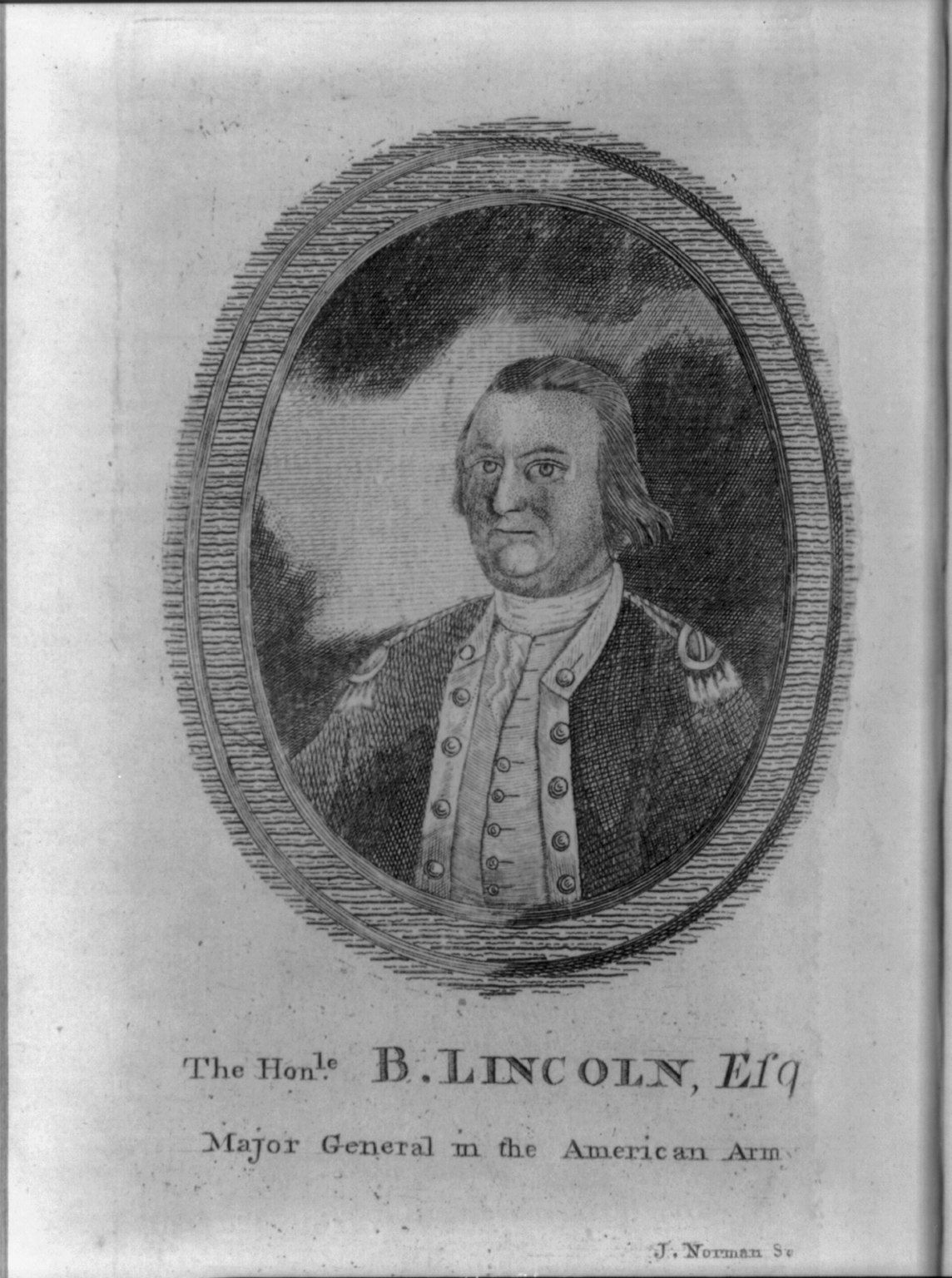
The decisive encounter came on the afternoon of January 25, 1787. A column of Regulators under Shays advanced through the snow toward the arsenal. A second force under Luke Day, which Shays expected to join the attack, never came, and a letter Day sent to Shays that day was intercepted. Shepard's artillery first fired warning shots and then fired into the column. In his report to Governor Bowdoin the next day, Shepard counted four Regulators killed. Some later accounts give three dead, and others put the wounded at about twenty. The column broke and retreated, and Shepard told the governor that he could have killed most of them as they fled.[36] Lincoln's army pursued them northward. On the night of February 3–4, Lincoln marched his men through a snowstorm and surprised the Regulators' camp at Petersham at daybreak. Rufus King, writing a few days later, reported about 150 prisoners. Shays and other leaders escaped. King heard that Shays had fled into New Hampshire. Shays later found refuge in Vermont.[37]
Hancock's Return
In the elections of 1787, voters turned decisively against Bowdoin and returned Hancock to the governorship. They also elected 173 new members to the General Court.[38] Hichborn, the leader of the Groton raid, had predicted in January that the crisis would leave Hancock "almost without a Rival in the Country at the next Election."[39] In June 1787 he issued a general pardon that undid the harsh terms of the Disqualification Act passed under Bowdoin, though he excluded a handful of leaders, among them Shays and Day. Of the men condemned for their part in the rising, only two were hanged, both for looting. By June 1788 even Shays had been pardoned.[40]
To many leaders across the states, courts closed by armed men and a federal arsenal under attack showed that the Confederation could not protect public order. Many Massachusetts leaders had been wary of calls for a general convention to revise the Articles of Confederation. According to the modern editors of the ratification documents, the rising turned many of them toward one, Rufus King and Elbridge Gerry among them.[41] In March 1787 the General Court chose five delegates to the convention called to meet in Philadelphia. They were Francis Dana, Nathaniel Gorham, Elbridge Gerry, Rufus King, and Caleb Strong. Dana never attended, and Strong left in August because of illness in his family. Gorham and King signed the finished Constitution on September 17. Gerry refused, objecting among other things to the broad scope of the new government.[42]
The Convention on Long Lane
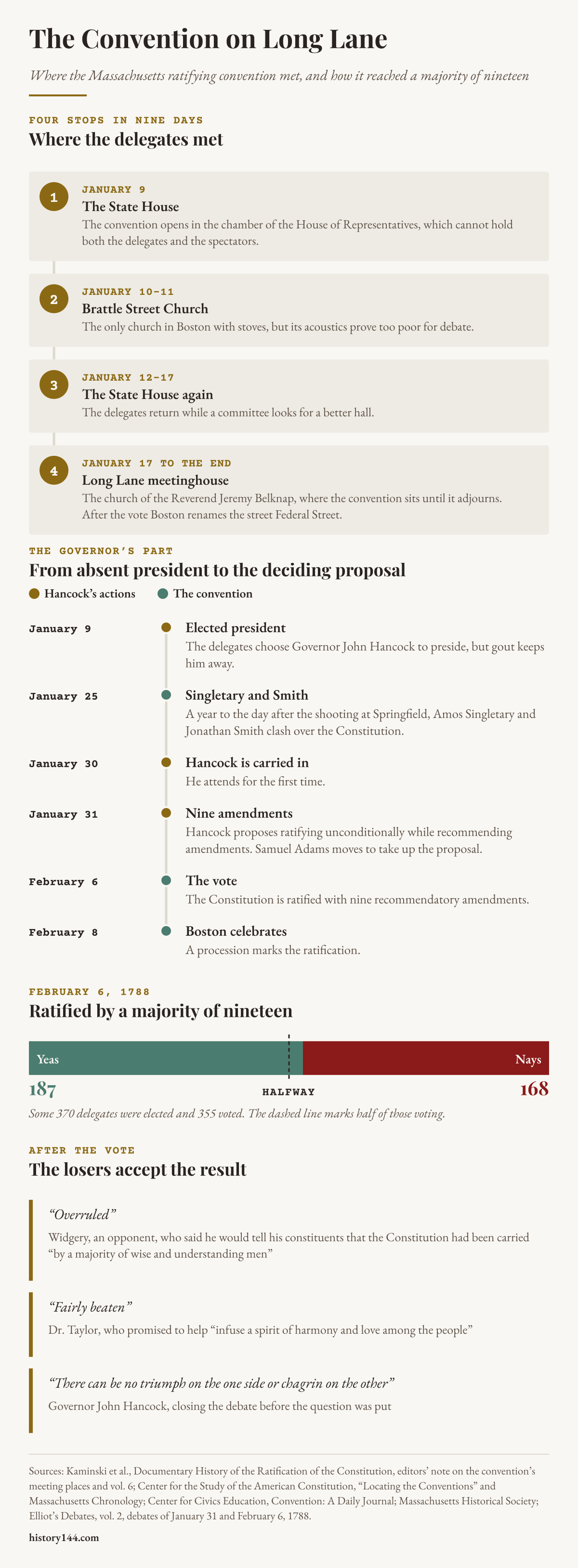
On October 25, 1787, the General Court called a state ratifying convention to meet in Boston on January 9, 1788. Between November 19 and January 7, town meetings in Massachusetts proper and in Maine elected some 370 delegates, making the Massachusetts convention the largest in any state.[43] The delegates first gathered in the State House, which could not hold both them and the spectators. On January 10 they moved to the Brattle Street Church, the only church in Boston with stoves, but poor acoustics sent them back after two days. On January 17 they settled in the Congregational meetinghouse on Long Lane, the church of the Reverend Jeremy Belknap.[44] They chose Governor Hancock as their president, although gout kept him away from the sessions for three weeks.[45]
As the convention worked through the Constitution section by section, opponents objected to elections every two years, to congressional control over the times and places of elections, to the power of direct taxation, and to the absence of a religious test for federal office.[46] The sharpest exchange came on January 25, one year to the day after the shooting at Springfield. Amos Singletary, a delegate from Sutton in Worcester County, warned that the new government claimed the same power to tax that Britain had claimed. He then turned on its supporters, warning that "these lawyers, and men of learning, and moneyed men, that talk so finely" meant to manage the new government themselves. They would swallow up ordinary people, he said, "like the great Leviathan, Mr. President; yes, just as the whale swallowed up Jonah."[47]
Jonathan Smith, a farmer from Lanesborough in Berkshire County, rose in reply. "I am a plain man, and get my living by the plough," he began, and he told the convention that he had "known the worth of good government by the want of it." He recalled that "a black cloud" had risen in the east the previous winter and spread over the west. When the Constitution appeared, he said, "I got a copy of it, and read it over and over." The learned and wealthy men whom Singletary distrusted, Smith concluded, shared the farmers' fate, "we must all swim or sink together."[48] One delegate, Dummer Sewall, noted in his journal that Smith's speech "exceeded all."[49]
By late January the Constitution's supporters, who came to be called Federalists, believed that a slim majority of the delegates leaned against ratification. They turned to Hancock. According to the editors of the ratification documents, Federalist leaders offered to support his reelection as governor. They also held out the prospect of the vice presidency, or even the presidency if Virginia failed to ratify, if he would attend the convention and propose amendments for the new Congress to consider after ratification.[50] On January 30, Hancock was carried into the meetinghouse. The next day he explained that "painful indisposition of body" had kept him from his place and offered a proposal intended "to remove the doubts and quiet the apprehensions of gentlemen." Under it, the convention would ratify the Constitution unconditionally and at the same time recommend nine amendments. The first would reserve to the states all powers not expressly delegated by the Constitution. Others would require grand jury indictments in serious criminal cases, allow direct taxes only when import duties and excises fell short, and bar Congress from creating companies of merchants with exclusive trading privileges.[51] A Federalist committee had secretly drafted the amendments, though Hancock presented them as his own.[52]
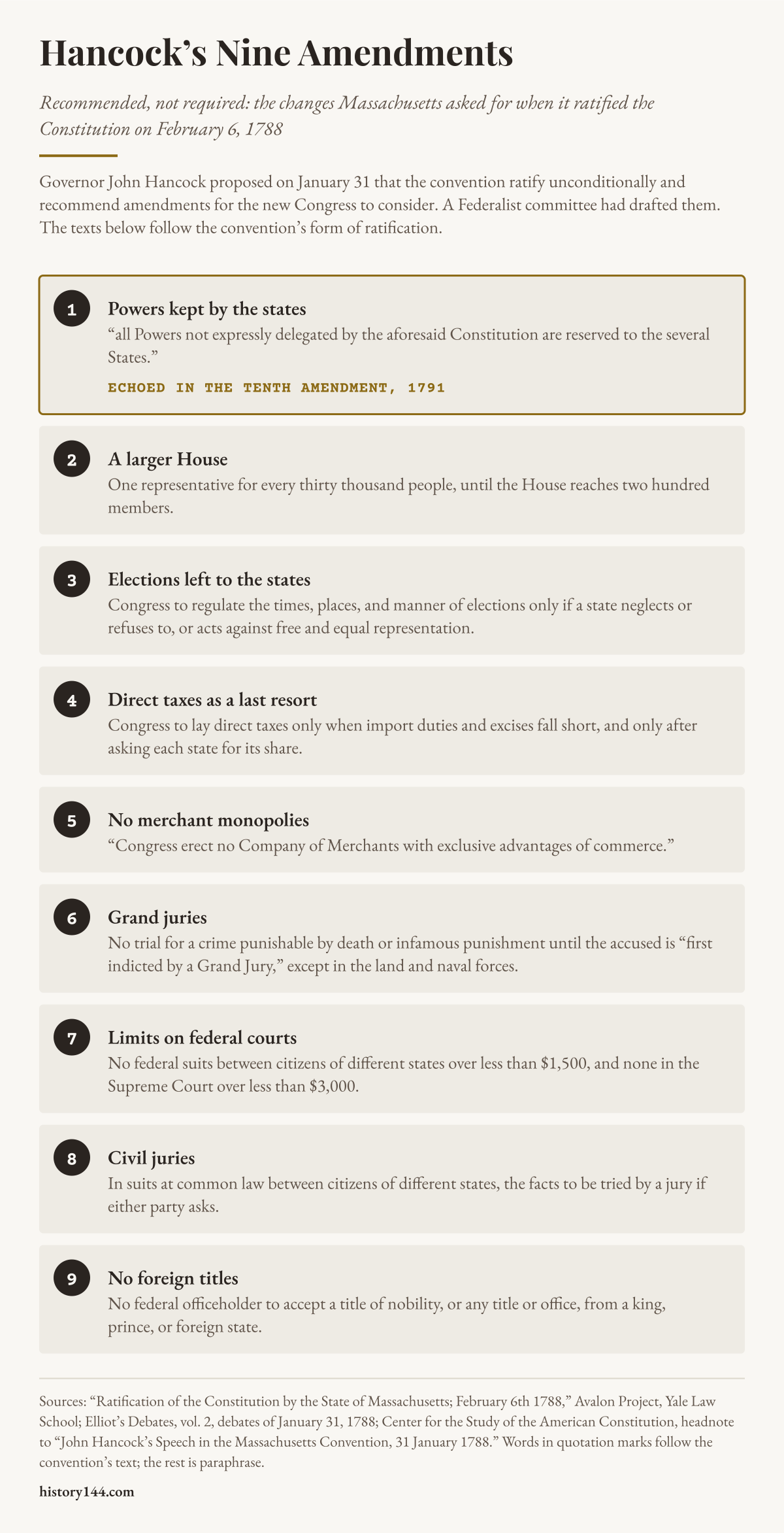
Samuel Adams moved that the convention take up Hancock's proposal and spoke in its support, saying that "it is of the greatest importance that America should still be united in sentiment."[53] On the afternoon of February 6, 1788, the delegates voted, and the Constitution was ratified, 187 to 168, a majority of nineteen.[54]
One after another, opponents rose to say they would accept the result. A delegate named Widgery said he would tell his constituents that he had been "overruled," that the Constitution had been carried "by a majority of wise and understanding men," and that he would support it as far as he could. Cooley of Amherst said he would try to persuade his constituents of the propriety of adopting it, although he had been directed to vote against it. Dr. Taylor, a steady opponent, said he had been "fairly beaten" and promised to help "infuse a spirit of harmony and love among the people." Closing the debate before the question was put, Hancock had asked that, however it was decided, "there can be no triumph on the one side or chagrin on the other."[55] Six of the seven states that ratified after Massachusetts followed its example and proposed amendments of their own.[56]
Federal Street
Two days after the vote, Boston celebrated with a grand procession through its streets.[57] The town also renamed the street where the convention had met. Long Lane became Federal Street.[58] The Constitution still needed three more states before it could take effect, but Massachusetts had given it a decisive push. Hancock's promise of amendments was partly kept in the Bill of Rights, whose Tenth Amendment echoed the first of Hancock's proposals.
The twelve years between the evacuation and the vote transformed Massachusetts. When the British fleet sailed in March 1776, the province was governed under a royal charter with the king's officers removed. By 1788 it had a constitution written by a convention elected for that purpose and approved by the people in their town meetings, a method that other states and the nation would follow. Its courts had read that constitution as incompatible with slavery. At Springfield and Petersham it had also learned how fragile the new order could be when debt and taxes pressed hardest on those least able to bear them. Singletary and Smith had both spoken from that experience. One feared a distant and powerful government, and the other feared the disorder that came from too weak a one. In 1776 Washington had found that Boston had suffered greatly but was in better condition than he expected. The same might have been said of Massachusetts in 1788. It had come through war, debt, and rebellion with its institutions intact, and by nineteen votes it had chosen to place them within a stronger Union.
Places in this Story
The places this story moves through, in order — follow them on the interactive map →
- Boston, Massachusetts March 17, 1776
The British army boarded its ships and gave up the town after nearly a year of siege.
- Ipswich, Massachusetts April 29, 1778
Delegates from twelve Essex County towns met and adopted the Essex Result.
- Penobscot Bay, Maine July 25, 1779
The expedition reached Bagaduce and delayed its assault until a British squadron trapped it.
- Cambridge, Massachusetts September 1, 1779
The convention met and chose James Bowdoin president before the drafting passed to John Adams.
- Braintree, Massachusetts Autumn 1779
John Adams wrote most of the constitution at his farm.
- Great Barrington, Massachusetts August 1781
A jury found that Brom and Bett were not Colonel Ashley's property.
- Worcester, Massachusetts 1781
A jury found Quock Walker a free man and awarded him fifty pounds.
- Springfield, Massachusetts January 25, 1787
Shepard's artillery fired into the Regulator column advancing on the federal arsenal.
- Petersham, Massachusetts February 4, 1787
Lincoln marched through a snowstorm and surprised the Regulators' camp at daybreak.
- Long Lane, Boston February 6, 1788
The convention ratified the Constitution by 187 votes to 168 and the street became Federal Street.
Frequently Asked Questions
When did the British evacuate Boston?
The army boarded its ships on Sunday, March 17, 1776, after the Continental Army fortified Dorchester Heights in a single night with cannon hauled from Fort Ticonderoga. Washington told John Hancock that the town had suffered greatly but was not in so bad a state as he had expected.
Who wrote the Massachusetts Constitution of 1780?
A convention subcommittee handed the work to John Adams, who wrote most of it at his farm in Braintree in the autumn of 1779. The convention then changed it, replacing the absolute governor's veto he wanted with one the legislature could override by two thirds.
Why was the 1778 Massachusetts constitution rejected?
The towns turned it down by about five to one, largely because the legislature had written it rather than a convention elected for the purpose. The Essex Result also objected that it had no bill of rights and left the governor too weak.
How did slavery end in Massachusetts?
No statute ever abolished it. Juries acted on the new Declaration of Rights, and in 1783 Chief Justice William Cushing's notes for his charge to a jury called slavery as effectively abolished as it could be, after which the census of 1790 recorded no enslaved people in the state.
What was Shays' Rebellion?
Farmers crushed by taxes and debt suits closed the county courts from August 1786 and then marched on the federal arsenal at Springfield. They called themselves Regulators, and Daniel Shays was the best known of several leaders rather than a single commander.
What was the Massachusetts Compromise of 1788?
John Hancock proposed that the convention ratify the Constitution outright while recommending nine amendments for the first Congress to consider. Six of the seven states that ratified afterwards followed the example and proposed amendments of their own.
How did Massachusetts vote on the Constitution?
The convention ratified on February 6, 1788 by 187 votes to 168, a majority of nineteen. Two days later Boston held a procession and renamed Long Lane, where the convention had met, Federal Street.
Bibliography
Adams, John. Autobiography, part 1, "[Fryday June 9th. 1775.]." Founders Online, National Archives. https://founders.archives.gov/documents/Adams/01-03-02-0016-0048. Accessed November 13, 2026.
Adams, John. John Adams to Elbridge Gerry, November 4, 1779. Papers of John Adams, vol. 8. Adams Papers Digital Edition, Massachusetts Historical Society. https://www.masshist.org/publications/adams-papers/index.php/view/PJA08d172. Accessed November 13, 2026.
Adams, John Quincy. Diary, December 1, 1786. Diary of John Quincy Adams, vol. 2. Founders Online, National Archives. https://founders.archives.gov/documents/Adams/03-02-02-0001-0011-0001. Accessed November 13, 2026.
American Battlefield Trust. "Penobscot Expedition." https://www.battlefields.org/learn/revolutionary-war/battles/penobscot-expedition. Accessed November 13, 2026.
Bell, J. L. "How Massachusetts Got Its Constitution." Boston 1775 (blog), January 28, 2014. https://boston1775.blogspot.com/2014/01/how-massachusetts-got-its-constitution.html. Accessed November 13, 2026.
Center for Civics Education. "January 16, 1788." Convention: A Daily Journal. Concordia University Irvine. https://www.cui.edu/centers-institutes/center-for-civics-education/convention-a-daily-journal/post/january-16-1788. Accessed November 13, 2026.
Center for Civics Education. "January 18, 1788." Convention: A Daily Journal. Concordia University Irvine. https://cui.edu/centers-institutes/center-for-civics-education/convention-a-daily-journal/post/january-18-1788. Accessed November 13, 2026.
Center for the Study of the American Constitution. "Locating the Conventions." University of Wisconsin-Madison, August 15, 2022. https://csac.history.wisc.edu/2022/08/15/locating-the-conventions/. Accessed November 13, 2026.
Center for the Study of the American Constitution. "Massachusetts Chronology." From The Documentary History of the Ratification of the Constitution. University of Wisconsin-Madison. https://csac.history.wisc.edu/wp-content/uploads/sites/281/2023/12/DC9-06-00-02_Mass.-Chronology.pdf. Accessed November 13, 2026.
Commonwealth Museum. "John Hancock: The Merchant Prince." Secretary of the Commonwealth of Massachusetts. https://www.sec.state.ma.us/divisions/commonwealth-museum/exhibits/online/john-hancock/john-hancock_20.htm. Accessed November 13, 2026.
"Constitution of the Commonwealth of Massachusetts, 1780." Historic Document Library, National Constitution Center. https://constitutioncenter.org/the-constitution/historic-document-library/detail/massachusetts-constitution. Accessed November 13, 2026.
Cushing, William. Legal notes on the Quock Walker case, [1783]. Massachusetts Historical Society, Collections Online. https://www.masshist.org/database/630. Accessed November 13, 2026.
Elliot, Jonathan, ed. The Debates in the Several State Conventions on the Adoption of the Federal Constitution. 2nd ed. Vol. 2. Washington, DC, 1836. Massachusetts Convention debates reproduced by the Constitution Society, https://www.constitution.org/rc/rat_ma.htm, and by Teaching American History, Ashbrook Center, https://teachingamericanhistory.org/resource/elliot/vol2/massachusetts0131. Accessed November 13, 2026.
Hichborn, Benjamin. Benjamin Hichborn to John Adams, January 16, 1787. Papers of John Adams, vol. 18. Founders Online, National Archives. https://founders.archives.gov/documents/Adams/06-18-02-0291. Accessed November 13, 2026.
Kaminski, John P., Gaspare J. Saladino, Richard Leffler, Charles H. Schoenleber, and Margaret A. Hogan, eds. The Documentary History of the Ratification of the Constitution. Vol. 4, Ratification of the Constitution by the States: Massachusetts (1). Madison: Wisconsin Historical Society Press, 1997. Introduction reproduced by the Center for the Study of the American Constitution. https://csac.history.wisc.edu/wp-content/uploads/sites/281/2023/12/DC9-06-00-01_Mass.-Essay.pdf. Accessed November 13, 2026.
Kaminski, John P., et al., eds. The Documentary History of the Ratification of the Constitution. Vol. 6, Ratification of the Constitution by the States: Massachusetts (3). Madison: Wisconsin Historical Society Press, 2000. Convention debates of January 25, 1788, University of Wisconsin Digital Collections, https://search.library.wisc.edu/digital/ATR2WPX6L3UFLH8I/text/ACSCSWVB7GT6IN8D. Accessed November 13, 2026.
Kaminski, John P., et al., eds. The Documentary History of the Ratification of the Constitution. Massachusetts volumes, continuously paginated. Sutton town meeting, December 10, 1787, p. 1048; editors' note, "The Meeting Places of the Massachusetts Convention," pp. 1163-65; "VI-B. Celebrations: Boston, 8 February." University of Wisconsin Digital Collections. https://search.library.wisc.edu/digital/ATR2WPX6L3UFLH8I/text/ACIOO4WSTJBJPI86. Accessed November 13, 2026.
King, Rufus. Rufus King to John Adams, February 10, 1787. Papers of John Adams, vol. 19. Founders Online, National Archives. https://founders.archives.gov/documents/Adams/06-19-02-0006. Accessed November 13, 2026.
Mass Humanities. "Massachusetts Approves State Constitution." Mass Moments. https://massmoments.org/moment-details/massachusetts-approves-state-constitution.html. Accessed November 13, 2026.
Mass Humanities. "Rebels Attack Springfield Arsenal." Mass Moments. https://massmoments.org/moment-details/rebels-attack-springfield-arsenal.html. Accessed November 13, 2026.
Massachusetts Court System. "Massachusetts Constitution and the Abolition of Slavery." Mass.gov. https://www.mass.gov/guides/massachusetts-constitution-and-the-abolition-of-slavery. Accessed November 13, 2026.
Massachusetts Historical Society. "African Americans and the End of Slavery in Massachusetts." https://masshist.org/features/endofslavery/end_MA. Accessed November 13, 2026.
Massachusetts Historical Society. "The Ratification of the U.S. Constitution in Massachusetts." Object of the Month, February 2003. https://www.masshist.org/objects/cabinet/february2003/february2003.htm. Accessed November 13, 2026.
Massachusetts Historical Society. "'This Convulsed Commonwealth': Daniel Shays Attempts to Call a Truce during Shays' Rebellion." Object of the Month, May 2013. https://masshist.org/object-of-the-month/may-2013. Accessed November 13, 2026.
"The Massachusetts Constitution." Editorial note to the Report of a Constitution, 1779. Papers of John Adams, vol. 8. Founders Online, National Archives. https://founders.archives.gov/documents/Adams/06-08-02-0161-0001. Accessed November 13, 2026.
Morison, Samuel Eliot. A History of the Constitution of Massachusetts. Boston: Wright & Potter Printing Co., 1917.
National Constitution Center. "The Essex Result." Historic Document Library. https://constitutioncenter.org/the-constitution/historic-document-library/detail/theophilus-parsons-the-essex-result. Accessed November 13, 2026.
Paine, Robert Treat. The Papers of Robert Treat Paine. Vol. 3. Massachusetts Historical Society. Thomas Cushing to Robert Treat Paine, March 18, 1776, with editorial notes. https://masshist.org/publications/rtpp/index.php/view/RTP3d128. Accessed November 13, 2026.
Paine, Robert Treat. The Papers of Robert Treat Paine. Vol. 4. Massachusetts Historical Society. Sally Cobb Paine to Robert Treat Paine, February 27, 1780, with extract from the Minutes of Convention and editorial note. https://masshist.org/publications/rtpp/index.php/view/RTP4d079. Accessed November 13, 2026.
[Parsons, Theophilus]. Result of the Convention of Delegates Holden at Ipswich in the County of Essex, Who Were Deputed to Take into Consideration the Constitution and Form of Government, Proposed by the Convention of the State of Massachusetts-Bay. Newburyport: John Mycall, 1778. Text reproduced by the Founders' Library, Claremont Institute. https://founding.com/founders-library/american-political-figures/theophilus-parsons/. Accessed November 13, 2026.
Peters, Ronald M., Jr. The Massachusetts Constitution of 1780: A Social Compact. Amherst: University of Massachusetts Press, 1978.
"Ratification of the Constitution by the State of Massachusetts; February 6th 1788." Avalon Project, Lillian Goldman Law Library, Yale Law School. https://avalon.law.yale.edu/18th_century/ratma.asp. Accessed November 13, 2026.
Rockwood, Heather. "Shays' Rebellion: Just Cause, or Just a Nuisance? Part One." The Beehive (blog), Massachusetts Historical Society, May 2022. https://masshist.org/beehiveblog/2022/05/shays-rebellion-just-cause-or-just-a-nuisance-part-one. Accessed November 13, 2026.
Shepard, William. William Shepard to James Bowdoin, January 26, 1787. Hampshire Gazette, February 7, 1787. Shays' Rebellion: From Revolution to Constitution, Springfield Technical Community College. https://shaysrebellion.stcc.edu/shaysapp/artifactPage393c.html. Accessed November 13, 2026.
Spector, Robert M. "The Quock Walker Cases (1781-83): Slavery, Its Abolition, and Negro Citizenship in Early Massachusetts." Journal of Negro History 53, no. 1 (January 1968). Abstract at Semantic Scholar. https://www.semanticscholar.org/paper/689fe087f40963f78318b92e8fa4f6f8b882d3a3. Accessed November 13, 2026.
Springfield Technical Community College. "John Hancock." Shays' Rebellion: From Revolution to Constitution. https://shaysrebellion.stcc.edu/shaysapp/person0281.html. Accessed November 13, 2026.
Teaching American History. "Day-by-Day Summary of the Massachusetts Ratifying Convention." Ashbrook Center. https://teachingamericanhistory.org/resources/massachusettstimeline/. Accessed November 13, 2026.
Washington, George. George Washington to John Hancock, March 19, 1776. Founders Online, National Archives. https://founders.archives.gov/documents/Washington/03-03-02-0363. Accessed November 13, 2026.
Washington, George. George Washington to Nicholas Cooke, March 17-19, 1776. Founders Online, National Archives. https://founders.archives.gov/documents/Washington/03-03-02-0355. Accessed November 13, 2026.
Washington, George. George Washington to the Massachusetts Council, August 3, 1779, with editorial note. Founders Online, National Archives. https://founders.archives.gov/documents/Washington/03-22-02-0024. Accessed November 13, 2026.
Citations
- George Washington to John Hancock, March 19, 1776, Founders Online, National Archives. The opening sentence is also quoted in note 3 to Thomas Cushing to Robert Treat Paine, March 18, 1776, in The Papers of Robert Treat Paine, vol. 3, Massachusetts Historical Society. ↑
- George Washington to Nicholas Cooke, March 17–19, 1776, Founders Online, National Archives. A postscript dated March 19 reports that the fleet was still in King and Nantasket Roads. The wording follows the Varick transcript as printed in Naval Documents of the American Revolution, 4:378. ↑
- Resolution of the Continental Congress, June 9, 1775, as recorded in John Adams, Autobiography, part 1, "[Fryday June 9th. 1775.]," Founders Online, National Archives. ↑
- John P. Kaminski et al., eds., The Documentary History of the Ratification of the Constitution, vol. 4, Ratification of the Constitution by the States: Massachusetts (1) (Madison: Wisconsin Historical Society Press, 1997), introduction, xxiv–xlviii, reproduced by the Center for the Study of the American Constitution. Exact page numbers within the introduction could not be verified from the online copy. ↑
- Kaminski et al., Documentary History, 4: introduction; Center for the Study of the American Constitution, "Massachusetts Chronology," which dates the submission to the freemen March 5, 1778. The Kaminski introduction gives the margin as about five to one and no tally. No official tabulation of the 1778 returns survives. Samuel Eliot Morison, "The Struggle over the Adoption of the Constitution of Massachusetts, 1780," Proceedings of the Massachusetts Historical Society 50 (1916-1917): 353-411, reports 2,083 yeas and 9,972 nays at page 244, from a contemporary newspaper statement in the Continental Journal of October 8, 1778. Morison dates the submission March 4. ↑
- [Theophilus Parsons], Result of the Convention of Delegates Holden at Ipswich in the County of Essex (Newburyport: John Mycall, 1778), text reproduced by the Founders' Library, Claremont Institute; "The Essex Result," Historic Document Library, National Constitution Center. ↑
- Kaminski et al., Documentary History, 4: introduction. ↑
- George Washington to the Massachusetts Council, August 3, 1779, editorial note, Founders Online, National Archives; "Penobscot Expedition," American Battlefield Trust, which gives nineteen armed vessels and twenty transports and dates the operation July 24 to August 14, 1779. Accounts differ on Collier's arrival, from August 11 to August 13. ↑
- Washington to the Massachusetts Council, August 3, 1779, editorial note, Founders Online, National Archives. The American Battlefield Trust's casualty summary gives 534 estimated casualties in all, 474 American and 60 British. ↑
- "Penobscot Expedition," American Battlefield Trust, which puts the bill at 1.74 million pounds. Other accountings of the cost may differ, and this figure could not be checked against the state's own records. ↑
- Editorial note, "The Massachusetts Constitution," Papers of John Adams, vol. 8, Founders Online, National Archives; Kaminski et al., Documentary History, 4: introduction. ↑
- Editorial note, "The Massachusetts Constitution," Papers of John Adams, vol. 8. ↑
- John Adams to Elbridge Gerry, November 4, 1779, Papers of John Adams, vol. 8, Adams Papers Digital Edition, Massachusetts Historical Society. ↑
- Editorial note, "The Massachusetts Constitution," Papers of John Adams, vol. 8. ↑
- Ibid. ↑
- Ibid.; note to Sally Cobb Paine to Robert Treat Paine, February 27, 1780, enclosing an extract from the Minutes of Convention, in The Papers of Robert Treat Paine, vol. 4, Massachusetts Historical Society. ↑
- Kaminski et al., Documentary History, 4: introduction. Morison, "The Struggle over the Adoption of the Constitution of Massachusetts, 1780," 366, puts the number present and voting at the fullest meeting in each town that made a return at not far from 16,000. ↑
- Morison, "The Struggle over the Adoption of the Constitution of Massachusetts, 1780," Proceedings of the Massachusetts Historical Society 50 (1916-1917): 353-411, at 397-401. Morison does not name the two articles. Robert J. Taylor, "Construction of the Massachusetts Constitution," Proceedings of the American Antiquarian Society 90 (1980): 317-346, at 332-333, calls the argument convincing and identifies Article III as the provision that failed. ↑
- Ronald M. Peters Jr., The Massachusetts Constitution of 1780: A Social Compact (Amherst: University of Massachusetts Press, 1978), as summarized in J. L. Bell, "How Massachusetts Got Its Constitution," Boston 1775 (blog), January 28, 2014. Page numbers in Peters could not be verified. ↑
- "John Hancock," Shays' Rebellion: From Revolution to Constitution, Springfield Technical Community College. ↑
- Constitution of Massachusetts, 1780, Declaration of Rights, art. 1, text reproduced by the National Constitution Center; Massachusetts Historical Society, "African Americans and the End of Slavery in Massachusetts." The word "men" was later amended to "people." ↑
- "Massachusetts Constitution and the Abolition of Slavery," Mass.gov, Massachusetts Court System. ↑
- Robert M. Spector, "The Quock Walker Cases (1781–83): Slavery, Its Abolition, and Negro Citizenship in Early Massachusetts," Journal of Negro History 53, no. 1 (January 1968), as abstracted by Semantic Scholar; "Massachusetts Constitution and the Abolition of Slavery," Mass.gov, the Massachusetts Court System's own account. Spector identifies John and Seth Caldwell as "the younger brothers" of James Caldwell; the Mass.gov account calls them sons in one passage and brothers in another. The pages of Spector's article could not be verified, and Mass.gov gives no month for the first verdict, noting pleadings dated December 6, 1781. ↑
- "Massachusetts Constitution and the Abolition of Slavery," Mass.gov. ↑
- William Cushing, legal notes on the Quock Walker case, [1783], Massachusetts Historical Society, Collections Online; Massachusetts Historical Society, "African Americans and the End of Slavery in Massachusetts." No record of the charge as delivered survives, so these notes are the nearest thing to it. The wording follows the Society's transcription and the text printed by the National Constitution Center. The manuscript itself was not examined. ↑
- "Massachusetts Constitution and the Abolition of Slavery," Mass.gov. ↑
- Heather Rockwood, "Shays' Rebellion: Just Cause, or Just a Nuisance? Part One," The Beehive (blog), Massachusetts Historical Society, May 2022; Kaminski et al., Documentary History, 4: introduction. ↑
- Kaminski et al., Documentary History, 4: introduction. ↑
- Rockwood, "Shays' Rebellion." ↑
- Ibid. ↑
- Kaminski et al., Documentary History, 4: introduction. ↑
- Ibid. ↑
- Editorial note to Benjamin Hichborn to John Adams, January 16, 1787, Papers of John Adams, vol. 18, Founders Online, National Archives. ↑
- Ibid.; John Quincy Adams, diary, December 1, 1786, Founders Online, National Archives. ↑
- Kaminski et al., Documentary History, 4: introduction; Rufus King to John Adams, February 10, 1787, Papers of John Adams, vol. 19, Founders Online, National Archives. ↑
- William Shepard to James Bowdoin, January 26, 1787, printed in the Hampshire Gazette, February 7, 1787, as summarized by Shays' Rebellion: From Revolution to Constitution, Springfield Technical Community College; King to Adams, February 10, 1787, and editorial notes; "Rebels Attack Springfield Arsenal," Mass Moments, Mass Humanities; Massachusetts Historical Society, "'This Convulsed Commonwealth,'" Object of the Month, May 2013. Mass Moments gives both three and four dead on the same page, and the Massachusetts Historical Society gives three. ↑
- Editorial note to Hichborn to Adams, January 16, 1787; King to Adams, February 10, 1787; "Rebels Attack Springfield Arsenal," Mass Moments. ↑
- Editorial note to Hichborn to Adams, January 16, 1787. ↑
- Hichborn to Adams, January 16, 1787. ↑
- "John Hancock," Springfield Technical Community College; "John Hancock: The Merchant Prince," Commonwealth Museum, Secretary of the Commonwealth of Massachusetts. ↑
- Kaminski et al., Documentary History, 4: introduction. ↑
- Ibid. ↑
- Center for the Study of the American Constitution, "Massachusetts Chronology"; Center for Civics Education, "January 16, 1788," Convention: A Daily Journal, Concordia University Irvine; Massachusetts Historical Society, "The Ratification of the U.S. Constitution in Massachusetts," Object of the Month, February 2003. The Society gives 364 delegates, the number who actually took part. ↑
- Editors' note, "The Meeting Places of the Massachusetts Convention, Boston, 9 January–7 February 1788," in Kaminski et al., Documentary History, Massachusetts volumes, 1163–65, University of Wisconsin Digital Collections; Center for the Study of the American Constitution, "Locating the Conventions"; Center for Civics Education, "January 18, 1788," Convention: A Daily Journal; Massachusetts Historical Society, "Ratification of the U.S. Constitution in Massachusetts." The volume number of the editors' note could not be confirmed from the online copy. On the stoves, a notice in the Massachusetts Spy of January 3, 1788, reported that the Brattle Square meetinghouse was the only one in Boston heated by them, as cited in Peter Benes, Meetinghouses of Early New England. ↑
- Center for the Study of the American Constitution, headnote to "John Hancock's Speech in the Massachusetts Convention, 31 January 1788," from Kaminski et al., Documentary History, vol. 6, Massachusetts (3) (Madison: Wisconsin Historical Society Press, 2000), 1379, 1381–83; Center for the Study of the American Constitution, "Massachusetts Chronology." ↑
- Teaching American History, "Day-by-Day Summary of the Massachusetts Ratifying Convention," Ashbrook Center; Massachusetts Convention, debates of January 19, 1788, in Jonathan Elliot, ed., The Debates in the Several State Conventions on the Adoption of the Federal Constitution, 2nd ed., vol. 2 (Washington, DC, 1836), as reproduced by the Constitution Society. Page numbers in Elliot could not be verified from the online text. ↑
- Massachusetts Convention, debates of January 25, 1788, in Elliot, Debates, vol. 2, as reproduced by the Constitution Society; Sutton town meeting, December 10, 1787, in Kaminski et al., Documentary History, Massachusetts volumes, 1048, University of Wisconsin Digital Collections. ↑
- Massachusetts Convention, debates of January 25, 1788, in Elliot, Debates, vol. 2. ↑
- Editorial headnote to Convention Debates, January 25, 1788, in Kaminski et al., Documentary History, vol. 6, University of Wisconsin Digital Collections. The page number could not be verified. ↑
- Center for the Study of the American Constitution, headnote to "John Hancock's Speech." ↑
- Massachusetts Convention, debates of January 31, 1788, in Elliot, Debates, vol. 2, as reproduced by Teaching American History; "Ratification of the Constitution by the State of Massachusetts; February 6th 1788," Avalon Project, Lillian Goldman Law Library, Yale Law School. ↑
- Center for the Study of the American Constitution, headnote to "John Hancock's Speech." ↑
- Massachusetts Convention, debates of January 31, 1788, in Elliot, Debates, vol. 2, as reproduced by Teaching American History. ↑
- Massachusetts Convention, debates of February 6, 1788, in Elliot, Debates, vol. 2, as reproduced by Teaching American History; Center for the Study of the American Constitution, "Massachusetts Chronology." ↑
- Massachusetts Convention, debates of February 6, 1788, in Elliot, Debates, vol. 2, as reproduced by Teaching American History. The record identifies most speakers only by surname. ↑
- Center for the Study of the American Constitution, headnote to "John Hancock's Speech." ↑
- Center for the Study of the American Constitution, "Massachusetts Chronology." ↑
- Ordinance of the Boston procession, February 8, 1788, and editors' note, in "VI-B. Celebrations: Boston, 8 February," Kaminski et al., Documentary History, Massachusetts volumes, University of Wisconsin Digital Collections; Massachusetts Historical Society, "Ratification of the U.S. Constitution in Massachusetts." The editors note that the Massachusetts Centinel already used the name Federal Street in its report of February 7. ↑